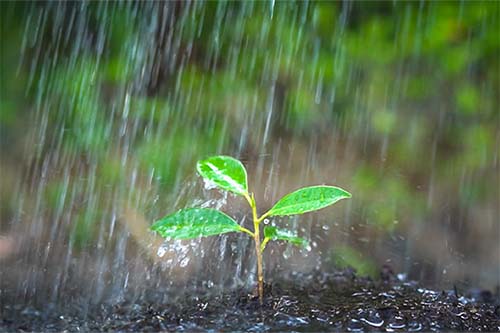
In Georgia, April is one of the garden's most important transition months. Cool-season vegetables may still be producing while tomatoes, peppers, beans, squash and other tender crops are waiting for frost-safe planting conditions. The right timing depends on where you garden and what the weather is doing—not the calendar alone.
1. Prepare Soil and Drainage Before Planting
Healthy soil supports everything that follows. Before adding fertilizer or amendments, learn what the bed actually needs. A soil test can guide pH and nutrient decisions, while a simple drainage check can reveal places where spring rain collects.
April soil tasks
- Test the soil through your local Extension office when pH and fertility are unknown.
- Add finished compost to improve organic matter and help both clay and sandy soils manage moisture.
- Loosen compacted beds without working wet clay, which can leave dense clods after it dries.
- Top off raised beds where the mix has settled, then confirm excess water can drain away.
Georgia clay needs structure, not a quick fix
Mixing finished compost into a planting area and protecting the surface with mulch can improve workability over time. Avoid digging or tilling clay while it is saturated. For a new garden, compare in-ground beds, raised beds and containers before committing to a layout.
2. Plant Cool- and Warm-Season Crops at the Right Time
April does not create one statewide planting date. South Georgia often reaches suitable warm-season conditions earlier, while North Georgia and higher elevations can remain vulnerable to late cold. Use the Georgia Planting Calendar as a starting point, then adjust for your location and forecast.
Cool-season crops for the earlier part of April
- Leafy greens such as lettuce, kale, Swiss chard and spinach
- Root crops including carrots, radishes, beets and turnips
- Peas and onions, where the local season still allows useful growth before heat
Tender crops to plant after frost risk has passed
- Tomato and pepper transplants
- Direct-sown beans, once the soil is warm enough for reliable germination
- Squash, zucchini and cucumbers
- Melons and sweet corn where local temperature and growing conditions are suitable
Resist planting tender crops just because one warm week arrives. Cold soil, wind and a late frost can stall or damage plants even when daytime temperatures feel like summer.
3. Check Fruit Trees, Berries and Developing Fruit
Fruit crops also need attention as spring growth accelerates. Walk the planting regularly so changes are noticed before a small problem becomes widespread.
- Inspect developing fruit on peach, plum and apple trees; thin only when appropriate for the crop and tree.
- Refresh mulch around trees and bushes while keeping it away from trunks and crowns.
- Look for early pest or disease symptoms and identify the cause before choosing a treatment.
- Feed acid-loving plants carefully. Follow soil-test guidance and the needs of established blueberries rather than applying a general garden fertilizer automatically.
Strawberries established earlier may begin ripening during spring. Harvest fully colored berries promptly and use netting where birds are taking fruit.
4. Use April Rain Without Overwatering
Spring showers can help new plantings establish, but rainfall totals do not tell the whole story. Raised beds and containers may dry faster than the surrounding ground, while low clay areas can remain saturated long after the surface looks dry.
- Check moisture below the surface before watering again.
- Use drip irrigation or soaker hoses to direct water toward the root zone when supplemental watering is needed.
- Mulch after the soil warms to reduce evaporation and soil splash while keeping mulch clear of plant stems.
- Empty standing water and correct drainage trouble before roots remain saturated.
5. Stay Ahead of Weeds, Pests and Disease
Weeds and insect activity increase quickly as temperatures rise. Short, regular garden checks are more useful than waiting for obvious damage.
- Pull or hoe small weeds before they flower and set seed.
- Use an appropriate organic mulch in beds and maintain practical paths between rows.
- Inspect the undersides of leaves for aphids, caterpillars, flea beetles and egg clusters.
- Give plants adequate spacing and avoid unnecessary leaf wetness in Georgia's humid conditions.
- Identify symptoms before treating; the Pest & Disease guide provides a diagnosis-first starting point.
Flowering herbs and other nectar sources can support pollinators and beneficial insects, but companion planting is not a guaranteed pest-control system. Use it as one part of a diverse, well-managed garden.
6. Plan the Crop That Comes Next
Succession planting keeps productive space working as spring crops finish. Decide what will follow before harvesting the current crop so seed, transplants and support structures are ready.
- After lettuce, consider bush beans or okra when the bed is warm.
- After radishes, choose another short root crop or prepare the space for a warm-season planting.
- After peas, use the support for cucumbers or plant another crop suited to the bed's sun and timing.
Record planting and harvest dates in a garden journal. Those notes become more useful than a generic calendar because they reflect your own Georgia microclimate, soil and sun exposure.
7. Finish April Ready for May
By the end of April, a well-prepared Georgia garden should have improving soil, a realistic watering plan, cool-season harvests in progress and warm-season crops entering at the right pace. Keep watching the forecast, avoid working saturated soil, and make each planting decision based on the conditions in your own garden.
Your next three steps
- Check your regional planting window and local frost risk.
- Inspect soil moisture, drainage and developing crops.
- Choose the next crop for every bed likely to open in May.