Georgia apple country is concentrated in the cooler North Georgia mountains, where winter chilling and mountain conditions support commercial orchards and a strong fall apple tradition. Home gardeners elsewhere in the state can also grow apples, but cultivar choice, chill requirements, spring frost risk and pollination become increasingly important as you move south.
Most of Georgia's commercial apple crop is grown in the North Georgia mountains. Ellijay in Gilmer County is widely known as Georgia's “Apple Capital,” and the area's orchards have become part of the region's agricultural and fall-tourism identity. The Georgia Apple Festival in Ellijay has celebrated the local harvest for more than half a century.
Georgia's apple story also reaches beyond today's commercial varieties. UGA researchers, Extension specialists and volunteers have worked to preserve historic Southern and Georgia apple cultivars through heritage-orchard and grafting efforts, reconnecting modern gardeners with varieties once grown throughout the region.
Georgia Apple Quick Facts
North Georgia is the center of the state's commercial apple industry.
Ellijay is commonly called the “Apple Capital of Georgia.”
Georgia's apple harvest can extend from summer into late fall or early winter depending on cultivar and location.
Apple cultivars differ greatly in winter chill requirements, making location-specific variety selection essential in Georgia.
Many apples need pollen from a compatible second cultivar to set a reliable crop.
How to Grow Apple Trees in Georgia
Start with your Georgia location: UGA divides the state into apple-growing zones because cultivars that perform in the mountains may not be suitable for warmer parts of Georgia.
Match the cultivar to local chill: Apples need winter chilling before normal spring growth and flowering. Low-chill cultivars can work farther south, while many familiar apples need substantially more winter cold.
Plan for pollination: Do not assume one tree will produce a full crop. Choose compatible cultivars with overlapping bloom periods unless reliable compatible pollen is already nearby.
Choose full sun and good drainage: Avoid low, frost-prone pockets when possible and give roots well-drained soil.
Think about tree size: Rootstock and strain affect mature size. Semi-dwarf or dwarf trees can make pruning, thinning and harvesting much easier in a home orchard.
Train and prune deliberately: Young trees need a sound framework; established trees need enough light and air movement through the canopy.
Use soil testing: Base lime and fertility decisions on soil conditions and tree performance instead of automatically fertilizing every year.
Georgia note: Apples are not a one-calendar-fits-all crop. North Georgia may accumulate abundant chill while warmer areas receive far less. The same cultivar can therefore behave very differently across the state.
Choosing Apple Varieties for Georgia
UGA recommends choosing apples by Georgia growing zone rather than by supermarket familiarity alone. Ripening season, chill requirement, disease susceptibility, tree size and pollination compatibility all matter.
Gala: An early-season apple recommended in several cooler Georgia zones and valued for fresh eating.
Ginger Gold: An early yellow apple used for fresh eating, sauce and pies in suitable Georgia zones.
Red Delicious: A familiar early-fall apple that UGA lists for a broad range of Georgia apple zones.
Fuji, Granny Smith and Arkansas Black: Later-season apples associated with Georgia's fall harvest in suitable locations.
Anna and Dorsett Golden: Low-chill choices used in warmer Georgia locations where many traditional high-chill apples are poorly adapted.
Before buying trees, check the current UGA Home Garden Apples recommendations for your zone and choose a compatible pollination combination.
From Georgia Apples to the Kitchen
Match the apple to the job: firm tart fruit holds its shape in baking, while softer or mixed cultivars work well in long-cooked spreads. This guide includes five established apple recipes:
North Georgia apple season is as much about eating and cooking as it is about orchards. Fresh apples can move directly into pies, crisps, sauces, butter, cider and other fall favorites.
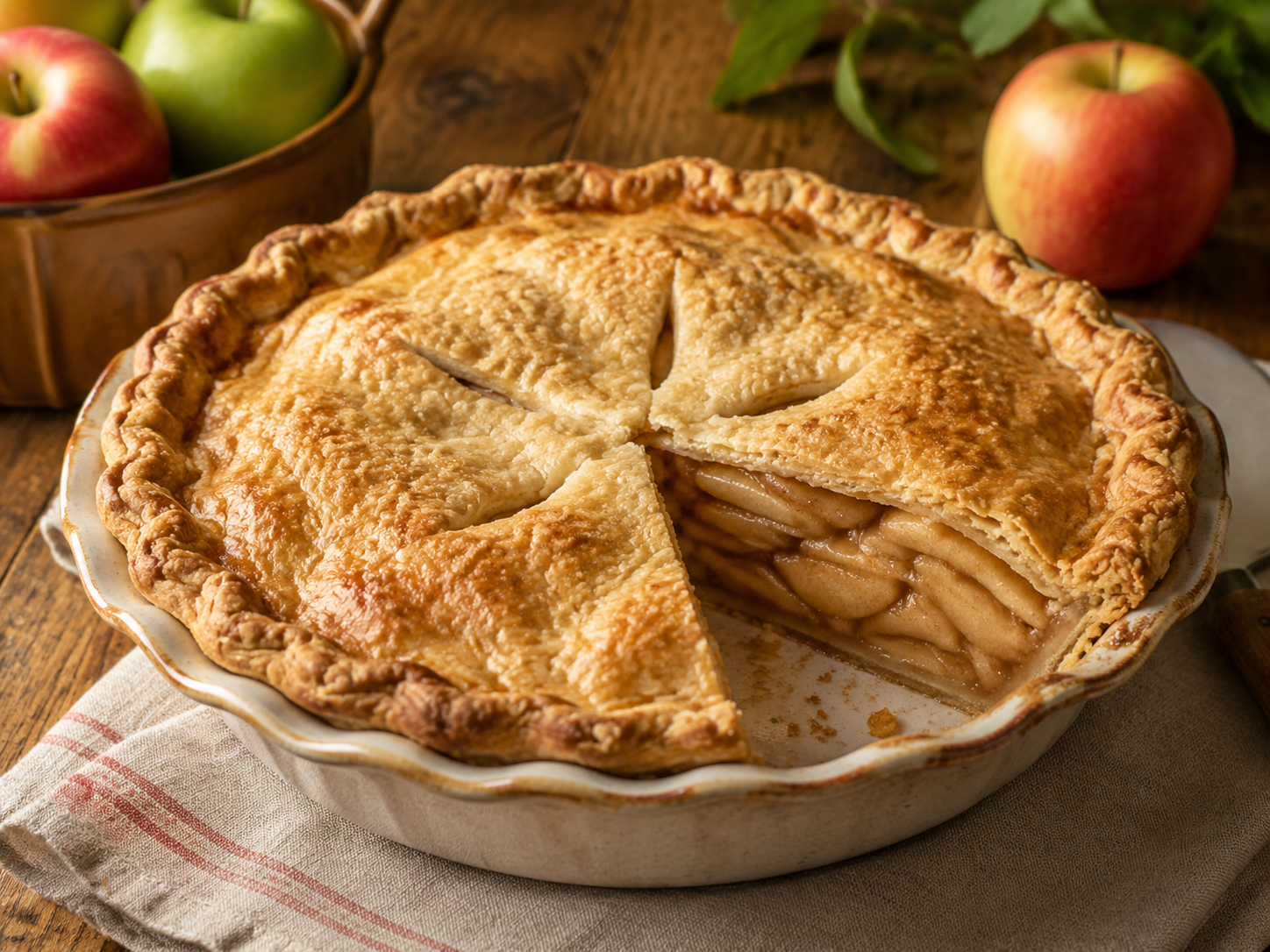
Classic Apple Pie
Tender spiced apples baked between flaky pastry crusts for a timeless homemade pie.
Yield: 8 servings
Prep: 30 min
Bake: 50 min
Total Time: 1 hr 20 min
Ingredients
6 cups of thinly sliced and peeled apples (mix of sweet and tart varieties)
3/4 cup granulated sugar
1 teaspoon ground cinnamon
1/4 teaspoon ground nutmeg
2 tablespoons all-purpose flour
1 tablespoon lemon juice
1 package refrigerated pie crusts (or homemade if preferred)
2 tablespoons unsalted butter, cut into small pieces
Instructions
Preheat your oven to 425°F (220°C).
In a large bowl, combine the sliced apples, sugar, cinnamon, nutmeg, flour, and lemon juice. Toss until the apples are evenly coated.
Roll out one pie crust and place it in a 9-inch pie dish. Add the apple mixture.
Dot the apples with small pieces of butter.
Roll out the second pie crust and place it over the apples. Trim the edges and crimp to seal the pie.
Cut a few slits in the top crust to allow steam to escape.
Optional: Brush the top crust with a beaten egg and sprinkle with a little sugar for a golden finish.
Bake for 45-50 minutes or until the crust is golden and the filling is bubbly.
Allow the pie to cool before serving. Enjoy with a scoop of vanilla ice cream if desired.
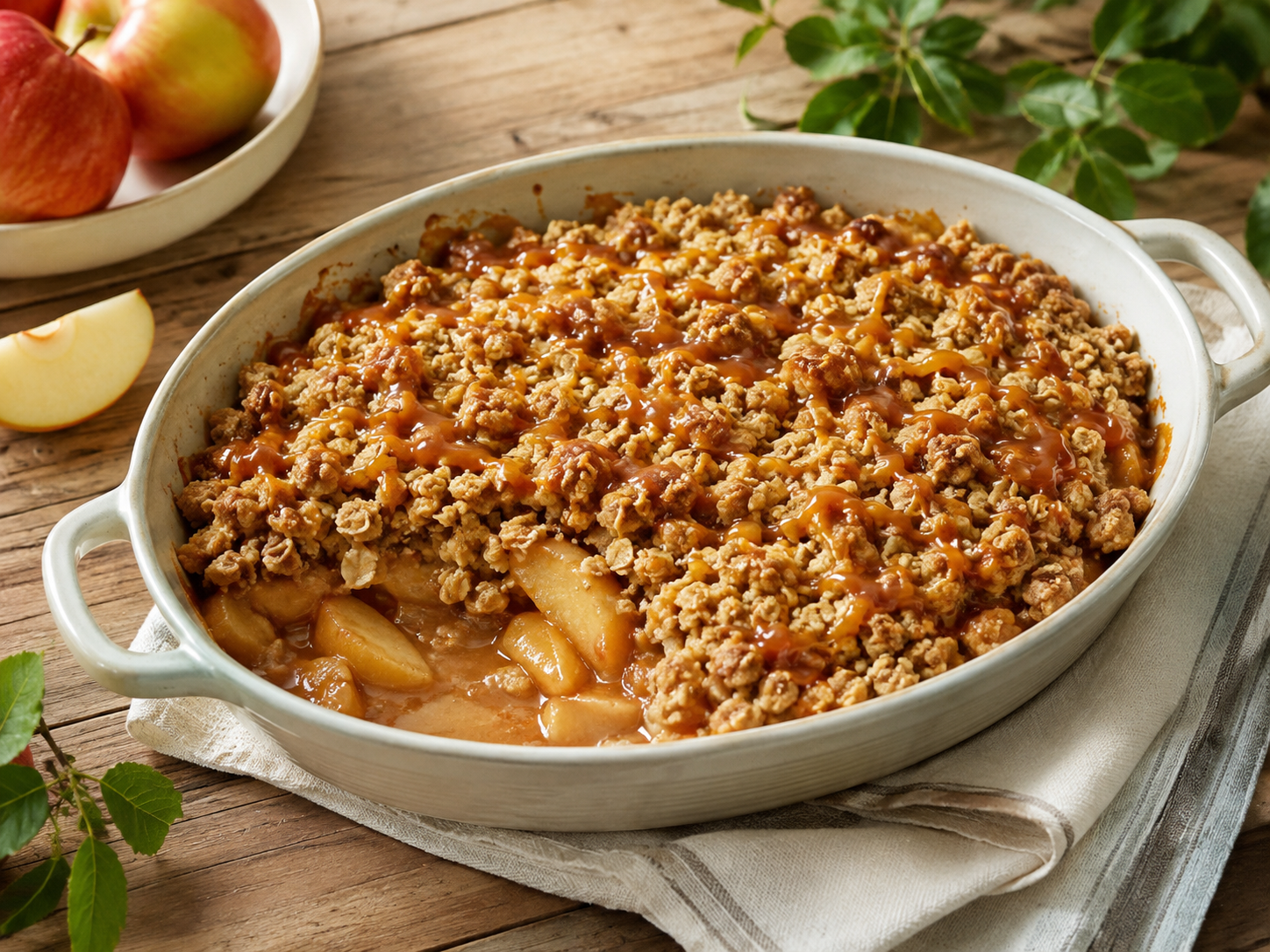
Caramel Apple Crisp
Warm cinnamon apples baked beneath a buttery brown-sugar oat topping.
Yield: 8 servings
Prep: 20 min
Bake: 45 min
Total Time: 1 hr 5 min
Ingredients
6 cups of peeled and sliced apples
1/2 cup granulated sugar
1 tablespoon all-purpose flour
1 teaspoon ground cinnamon
1/4 teaspoon salt
1 cup old-fashioned rolled oats
1/2 cup packed brown sugar
1/3 cup all-purpose flour
1/4 cup unsalted butter, melted
1/2 cup caramel sauce (store-bought or homemade)
Instructions
Preheat the oven to 350°F (175°C).
In a large bowl, combine the sliced apples, granulated sugar, 1 tablespoon flour, cinnamon, and salt. Toss until well-coated and transfer to a greased baking dish.
In a separate bowl, mix together the rolled oats, brown sugar, 1/3 cup flour, and melted butter until crumbly.
Sprinkle the oat mixture evenly over the apples.
Bake for 40-45 minutes or until the topping is golden brown and the apples are tender.
Remove from the oven and let it cool for a few minutes.
Drizzle caramel sauce over the top before serving.
Serve warm, optionally with a scoop of vanilla ice cream for an extra treat.
Georgia Apple Tree Seasonal Care
Apple timing varies by cultivar and elevation, but the annual cycle is especially useful for understanding North Georgia orchard care.
Winter: Trees are dormant and accumulate chilling. This is also a common period for planting dormant trees and completing structural pruning when conditions are appropriate.
Early spring: Buds swell and bloom begins. Spring freezes can damage flowers, especially after warm weather causes early bud break.
Spring: Pollination and fruit set occur. Monitor tree health and begin thinning developing fruit when needed so remaining apples have room to size.
Summer: Maintain adequate moisture, monitor insects and diseases and support developing fruit. Early cultivars may begin ripening during summer.
Late summer through fall: Harvest progresses according to cultivar. North Georgia orchards may have multiple varieties ripening across a long season.
After harvest: Remove fallen or diseased fruit and leaves where practical, assess tree health and plan dormant-season maintenance.
Common Apple Pests and Diseases in Georgia
Georgia apple trees can face insects as well as fungal and bacterial diseases. Correct identification, sanitation, resistant cultivars and well-timed management are more useful than routine spraying without a diagnosis.
Codling Moth (Cydia pomonella)
Description: Grayish-brown moths with coppery wings; larvae are white to pinkish caterpillars with a distinctive brown head.
Damage: Larvae tunnel into apples, leaving behind brown frass and causing "wormy" fruit.
Control: Monitor adult activity and fruit injury and remove badly infested fruit. If treatment is needed, follow current Georgia recommendations and use a product labeled for apples and codling moth.
Apple Maggot (Rhagoletis pomonella)
Description: Small, fly-like insects with distinctive wing patterns.
Damage: Maggots tunnel into apples, causing discolored, distorted, and corky areas.
Control: Use monitoring traps where appropriate and remove infested fruit. Fruit bagging can be useful on a small home tree; use labeled controls only when warranted.
Aphids (Various species)
Description: Small, soft-bodied insects that come in various colors.
Damage: Aphids feed on apple leaves, causing distortion, yellowing, and the secretion of honeydew, which can attract sooty mold.
Control: Conserve natural enemies and monitor aphid injury before treating. If treatment is needed, choose a product and timing labeled for apples and the identified aphid.
Spider Mites (Various species)
Description: Tiny arachnids that may have two dark spots on their bodies.
Damage: Spider mites feed on apple leaves, causing stippling, yellowing, and reduced growth.
Control: Confirm mite activity and monitor leaf injury while reducing tree stress and conserving natural enemies. Use a labeled control only when populations justify treatment.
Scale Insects (Various species)
Description: Small, immobile insects that may appear as bumps on twigs.
Damage: Scales feed on plant sap, causing weakened plants, yellowing, and sooty mold.
Control: Identify the scale species and life stage and conserve natural enemies. Dormant or delayed-dormant horticultural oil may be useful when specifically recommended and labeled.
Apple Sawfly (Hoplocampa testudinea)
Description: Small, blackish wasps.
Damage: Larvae feed on developing apple buds, causing "fruitlet" damage.
Control: Confirm the pest before treating and use current local recommendations; not every insect associated with damaged fruit is equally important in Georgia home orchards.
Apple Scab (Venturia inaequalis)
Description: Fungal disease that appears as olive-green to black lesions on leaves and fruit.
Damage: Reduces fruit quality and can cause defoliation.
Control: Choose resistant cultivars when available and remove infected debris where practical. If fungicides are needed, timing is critical; follow current Georgia recommendations and the product label.
Fire Blight (Erwinia amylovora)
Description: Bacterial disease that causes wilting, blackening, and "burning" of branches.
Damage: Kills branches and can lead to tree death.
Control: Remove infected shoots using current fire-blight pruning guidance and avoid practices that stimulate excessive succulent growth. Chemical management is timing-sensitive and should follow current Georgia recommendations.
Integrated pest management (IPM) practices, including regular monitoring, early detection, and a combination of cultural, biological, and chemical controls, can help manage pest and disease problems in apple orchards effectively. Always follow recommended guidelines for the specific pest control methods you choose.
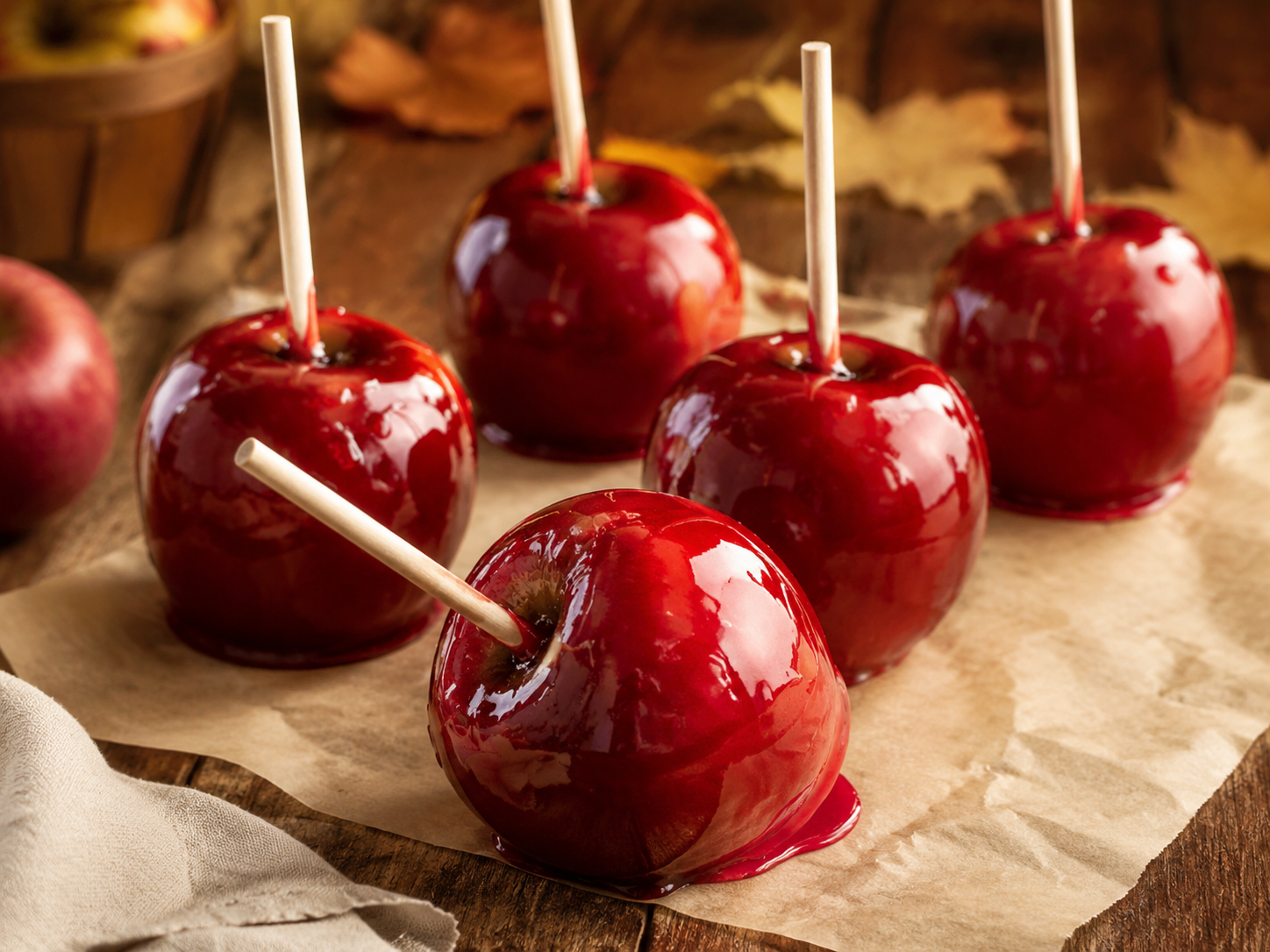
Classic Candy Apples
Crisp Georgia apples dipped in a glossy hard-crack candy coating with optional vanilla or cinnamon.
Yield: 6–8 candy apples
Prep: 20 min
Cook: 15 min
Total Time: 55 min
Ingredients
6–8 medium-sized Georgia apples, preferably a tart variety such as Granny Smith
2 cups granulated sugar
1/2 cup light corn syrup
3/4 cup water
1 teaspoon red food coloring, adjusted for the desired color
1 teaspoon vanilla or cinnamon extract, optional
Wooden sticks or skewers
Instructions
Wash and thoroughly dry the apples. Remove any wax by dipping them briefly in boiling water, then insert wooden sticks into the stem ends.
Combine the sugar, corn syrup, and water in a medium saucepan. Stir over medium heat until the sugar dissolves.
Cook without stirring until the mixture reaches 300°F, the hard-crack stage, on a candy thermometer.
Remove from the heat and carefully stir in the food coloring and optional flavored extract.
Dip each apple into the hot candy mixture, coat it evenly, and allow the excess coating to drip back into the pan.
Place the coated apples on a parchment-lined baking sheet and let them cool completely until the shell hardens.
Candy Apple Variations
After mastering the classic red shell, try caramel, melted chocolate, a cinnamon-spiced coating, or decorative toppings. Use caution whenever working with hot sugar.
Safety and storage note: Use clean, completely dry, unwaxed apples so the candy shell adheres. Hot sugar can cause severe burns; keep children and pets away while dipping. Store finished apples in a cool, dry place and enjoy within two days for the best shell.
More Apples Recipes
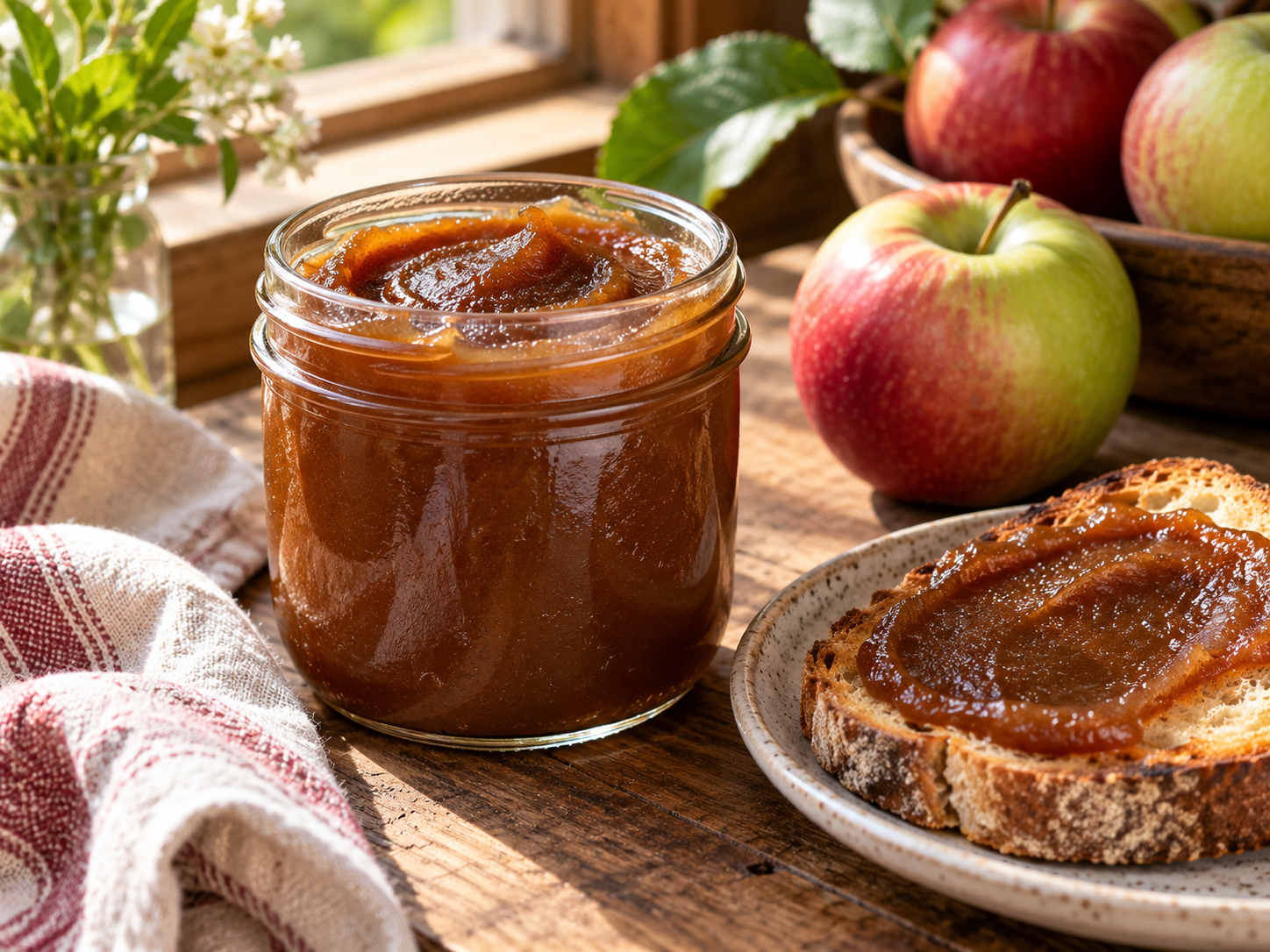
Slow-Cooker Apple Butter
Fresh apples slowly cook down with cider and warm spices into a silky, concentrated spread without commercial pectin.
Yield: About 3 cups
Prep: 20 min
Slow-cook: 10 hr
Total Time: 10 hr 20 min
Ingredients
6 pounds apples, peeled, cored and cut into chunks
1/2 cup apple cider or unsweetened apple juice
3/4 cup packed light brown sugar
1 1/2 teaspoons ground cinnamon
1/4 teaspoon ground nutmeg
1/8 teaspoon ground cloves
1/4 teaspoon kosher salt
1 tablespoon fresh lemon juice
Instructions
Place the apples and cider in a 6-quart slow cooker. Cover and cook on low for 7 to 8 hours, stirring once or twice, until the apples collapse.
Stir in the brown sugar, cinnamon, nutmeg, cloves and salt. Purée carefully with an immersion blender until completely smooth.
Set the lid slightly ajar and continue cooking on low for 1 to 2 hours, stirring every 30 minutes, until the purée is thick enough to mound on a spoon.
Stir in the lemon juice, cool for 20 minutes and spoon into clean containers.
Refrigerate until fully chilled before serving.
Recipe note: This is a refrigerator or freezer spread, not a tested shelf-stable canning recipe. Refrigerate for up to 3 weeks or freeze for up to 6 months.
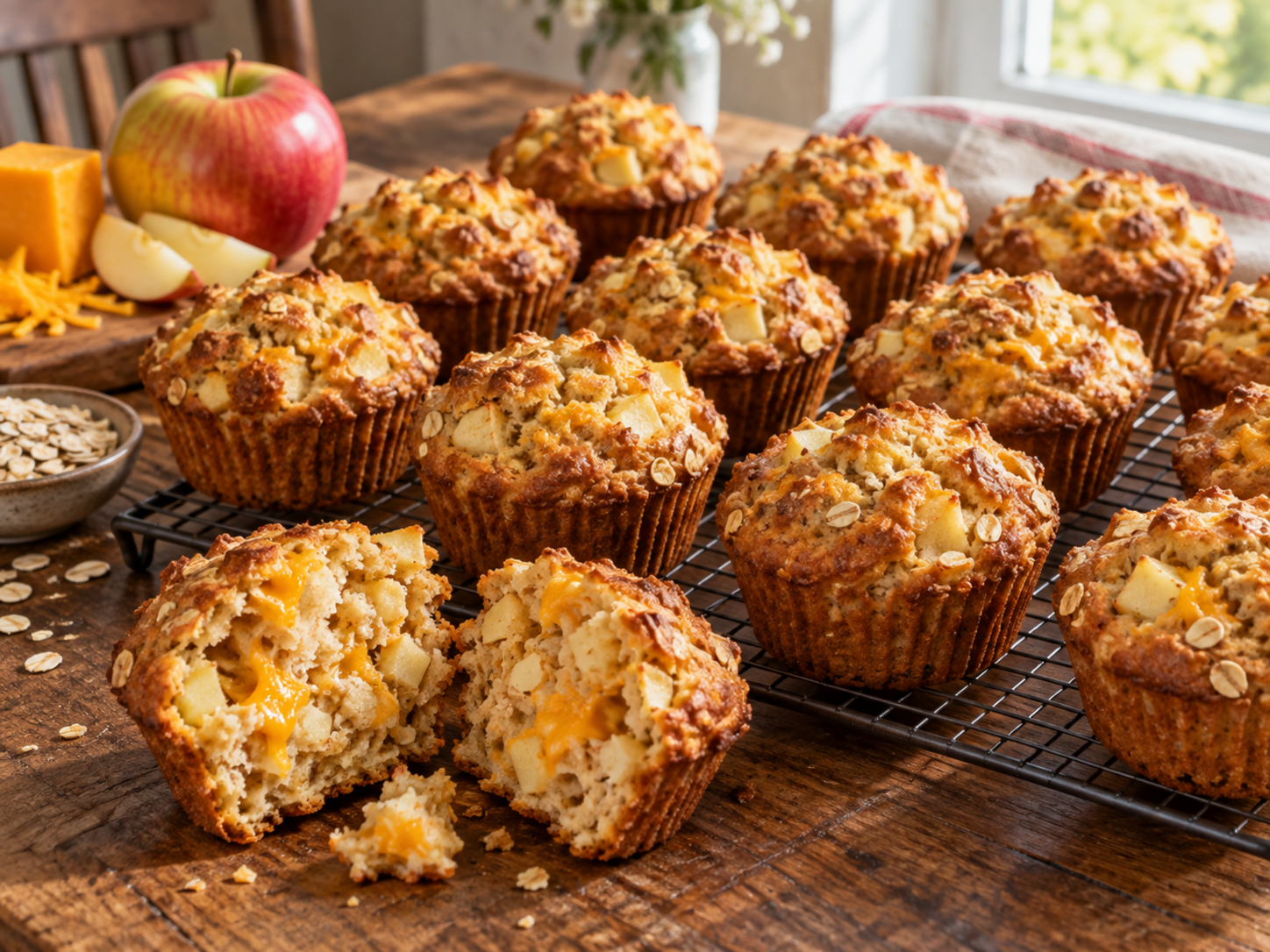
Apple Cheddar Breakfast Muffins
Tart apple, sharp cheddar and oats make these tender muffins savory-sweet enough for breakfast without tasting like dessert.
Yield: 12 muffins
Prep: 20 min
Bake: 22 min
Total Time: 42 min
Ingredients
1 3/4 cups all-purpose flour
1/2 cup old-fashioned rolled oats, plus 2 tablespoons for topping
2 teaspoons baking powder
1/2 teaspoon baking soda
1/2 teaspoon kosher salt
1/2 teaspoon ground cinnamon
2 large eggs
3/4 cup buttermilk
1/3 cup unsalted butter, melted and cooled
1/4 cup pure maple syrup
1 1/4 cups peeled tart apple, cut into 1/4-inch dice
1 cup shredded sharp cheddar cheese
Instructions
Heat the oven to 375°F. Line a 12-cup muffin pan or coat it lightly with butter.
Whisk the flour, 1/2 cup oats, baking powder, baking soda, salt and cinnamon in a large bowl.
In another bowl, whisk the eggs, buttermilk, melted butter and maple syrup. Pour the wet mixture into the dry ingredients and fold just until a few flour streaks remain.
Fold in the diced apple and cheddar. Divide the batter among the muffin cups and sprinkle with the remaining oats.
Bake for 18 to 22 minutes, until the tops are golden and a tester inserted in the center comes out clean. Cool in the pan for 5 minutes before transferring to a rack.
Recipe note: Use a firm tart apple so the pieces hold their shape. Refrigerate cooled muffins for up to 4 days and warm briefly before serving.
Georgia Companion Planting Around Apple Trees
Keep a mulched, low-competition area around young apple trees. Outside that zone, flowering plants can provide season-long forage for pollinators and beneficial insects. Avoid dense growth against trunks or plants that interfere with mowing, pruning and fallen-fruit sanitation.
Companion flowers do not replace the apple's pollination requirements: many cultivars need a compatible second apple flowering at the same time.
Why North Georgia Became Apple Country
Georgia's strongest apple identity is concentrated in the cooler northern part of the state, including the Ellijay area. Elevation and winter chilling make North Georgia much better suited to many apple cultivars than the warmer southern part of the state, which is why regional variety selection matters so much.
For current apple-zone maps, cultivar recommendations, pollination combinations and pest-management guidance, consult University of Georgia Cooperative Extension and your county Extension office.