Site & Sun
Map full sun, shifting shade, nearby roots and reflected heat. Reserve the brightest areas for crops that flower and fruit.
Georgia garden planning
Plan a productive garden around your Georgia region, available sunlight, soil and drainage, seasonal planting windows, and the space you can maintain comfortably.
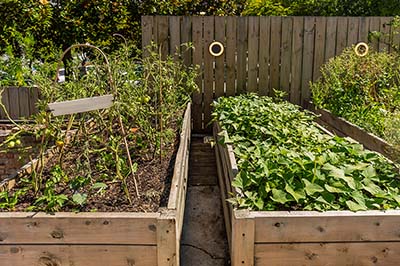
Start with the site
The strongest layout begins with conditions you can observe and measure before choosing beds or crops.
Most fruiting vegetables perform best with at least six to eight hours of direct sun.
Watch where water collects after rain before placing in-ground beds or containers.
Use a soil test to guide pH and fertility decisions instead of adding amendments by guesswork.
Keep paths and bed widths practical enough to plant, water, inspect and harvest without stepping on growing soil.
Build the layout
Use these six decisions to turn an open space into a garden that is easier to care for through Georgia's changing seasons.
Map full sun, shifting shade, nearby roots and reflected heat. Reserve the brightest areas for crops that flower and fruit.
Test the soil and check drainage. Georgia clay can support productive gardens when structure, organic matter and water movement are managed deliberately.
Use raised beds where improved drainage, a defined soil mix or easier access solves a real site problem. Leave paths wide enough for routine care.
Match container volume to mature root size, use a well-draining potting mix and plan for more frequent moisture checks during hot weather.
Place sturdy trellises before vines get large. Vertical support can improve access and airflow while keeping paths open in a small garden.
Record what grows in each bed and avoid repeating the same crop family in one place when space allows. Rotation supports long-term planning but does not replace sanitation or disease diagnosis.
Plan for your region
A useful garden plan changes with elevation, frost timing, summer heat, rainfall patterns and the conditions in your own yard. Use regional guidance as a starting point, then confirm local frost dates and watch your site.
Allow for a shorter warm-season window, later spring soil warming and earlier fall frost than farther south. Favor sunny, well-drained locations and account for slope, elevation and cold-air pockets.
North Georgia planting calendarUse spring and fall for cool-season crops while planning irrigation, mulch and airflow for the long warm season. A succession plan helps beds move from one season into the next.
Middle Georgia planting calendarBuild around a longer warm season, intense summer heat and humidity. Drainage and airflow deserve extra attention, and cool-season crops often fit best in fall through early spring.
South Georgia planting calendarGeorgia Growing Answers
The best layout is the one that puts productive beds in good sun, drains after heavy rain and remains easy to reach for watering, inspection and harvest.
Arrange beds around the actual site rather than a universal diagram. Keep tall crops and trellises from shading shorter sun-loving plants, maintain clear paths and leave enough airflow for humid weather.
Plan for at least six to eight hours of direct sun for most fruiting vegetables.
Leafy greens can tolerate less light than tomatoes, peppers and squash, but deep shade limits productivity. Observe the proposed site across the day because buildings and trees change the light pattern.
Raised beds can be a practical choice where heavy clay drains slowly or where you want a defined growing mix and easier access.
They are not required in every Georgia yard. A well-drained in-ground site can also be productive, especially when soil-test recommendations and gradual organic-matter improvements guide preparation.
Choose the system that solves your site's main constraint: drainage and access, limited space, or usable native soil.
Many Georgia gardens benefit from a combination—for example, permanent beds for vegetables, containers near the kitchen for herbs and a trellis along one edge for climbing crops.
Group vegetables by compatible season, sunlight, water, mature size and access needs—not by claims that one plant will automatically prevent every pest on another.
Cool-season crops such as leafy greens and root crops can share a seasonal plan, while warm-season combinations can use vertical and ground-level space efficiently. Review the deeper Georgia companion planting guide before finalizing bed combinations.
Match the garden to the site
Best when you need dependable drainage, a defined soil mix or a comfortable working height. Plan the fill, edging and irrigation before building multiple beds.
Explore garden projectsUseful for patios, rental spaces and crops you want close to the kitchen. Large pots buffer roots better than small containers but still need consistent summer watering.
Review planting techniquesA strong option where sunlight, drainage and soil structure are suitable. Define permanent beds and paths so productive soil is not repeatedly compacted.
Build sound garden practicesUse three dimensions
Place tall crops and trellises where they will not unintentionally shade shorter sun-loving plants. Leave room to reach both sides of a bed, harvest comfortably and inspect leaves without pushing through dense growth.
Then add time to the layout. A bed can hold cool-season crops in spring, warm-season crops after frost risk passes and another cool-season planting in fall. Use the Georgia Planting Calendar and your regional frost dates to plan transitions instead of treating each season as a separate garden.
Compatible plant communities
Use companion planting to coordinate mature plant size, root space, seasonal needs, pollinator resources and access. A trellised crop can use vertical space while a shorter crop occupies the bed edge, but both still need enough water, light and airflow.
Avoid treating companion planting as guaranteed pest control. Combine thoughtful plant placement with crop rotation, regular inspection and accurate diagnosis.
Use the companion planting guidePrepare for wet and dry periods
Start with a soil test, then improve the site according to its actual needs. Organic matter can help soil structure, but adding fertilizer or lime without test guidance can create new problems.
Direct water to the root zone with drip irrigation or soaker hoses where practical. Mulch helps moderate soil temperature, slow moisture loss and reduce weed pressure. Keep mulch away from plant stems and continue checking soil moisture rather than watering only by the calendar.
Prepare for plantingPlan beyond the crop row
Add flowering herbs and other suitable flowers around productive beds so bloom is available across more of the growing season. Leave enough open access to tend crops, and make pesticide decisions carefully—especially when vegetables, herbs and fruit plants are flowering.
Grow → harvest → cook
Use the mature size and support needs of each crop to decide where it belongs in the plan, then continue to its growing guide and garden-to-kitchen recipes.
Give tomatoes strong sun, sturdy support, dependable root-zone moisture and enough airflow for Georgia's humid weather.
Grow and cook with tomatoes
Plan corn in a block rather than one long row so wind-borne pollen has a better chance of reaching nearby silks.
Grow and cook with sweet corn
Reserve a warm, sunny position for okra and keep its mature height in mind so it does not shade shorter crops.
Grow and cook with okraGeorgia-grown inspiration
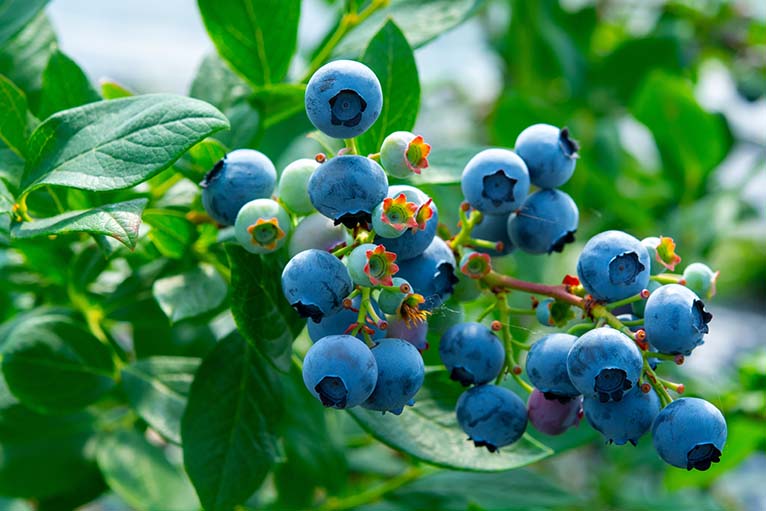
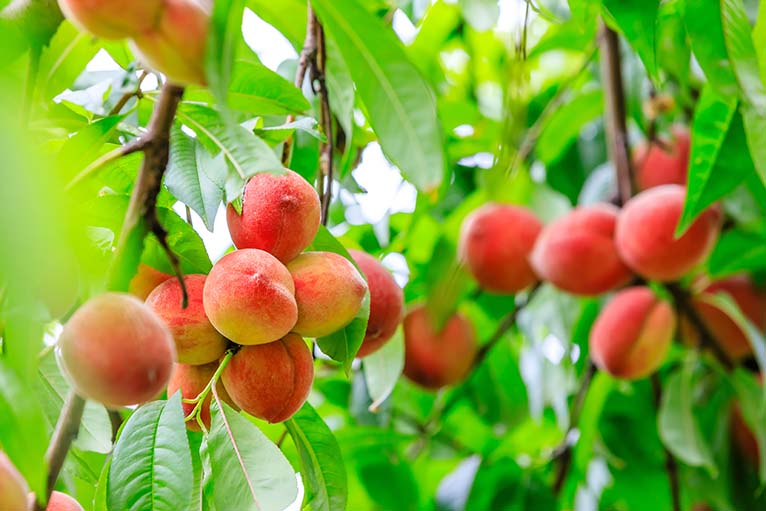
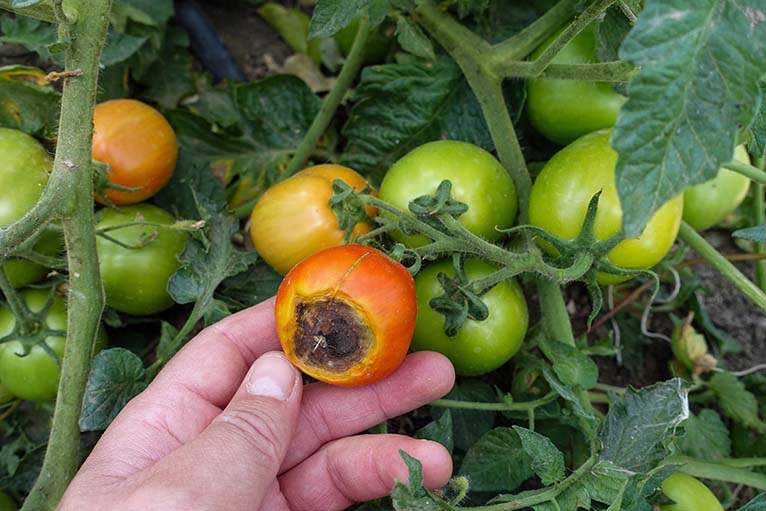
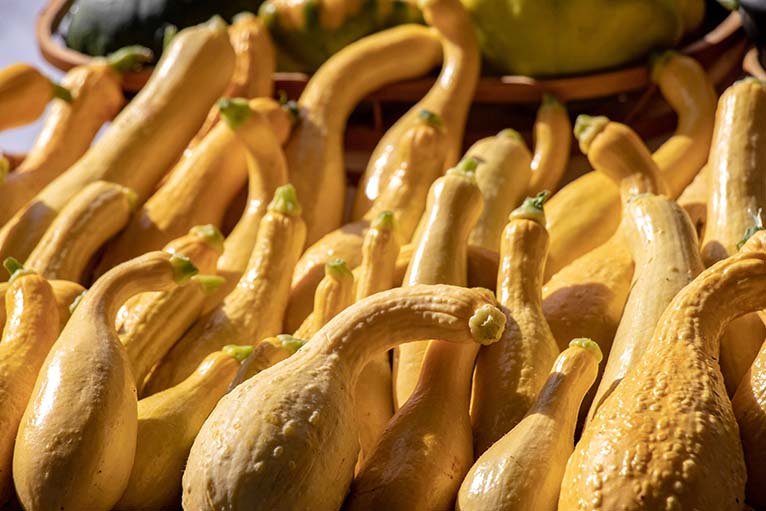
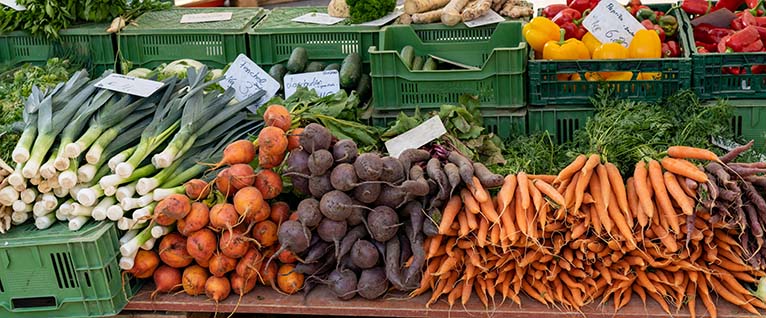
A productive layout can support vegetables, fruits, pollinator activity and the people who grow and harvest them.

Next steps
Choose the next resource that matches the decision you are making now.