Gardening in Georgia: What to Plant, Grow and Harvest
Successful gardening in Georgia starts with matching crops to the season, your region and the conditions in your yard. GA Garden connects those decisions with regional planting calendars, crop-by-crop guides and practical help for soil, pests, harvesting and cooking. Start with What Can I Plant Now? for timely guidance, or use the Georgia Garden Planner to build a plan around what you want to grow.
What Can I Plant Now?
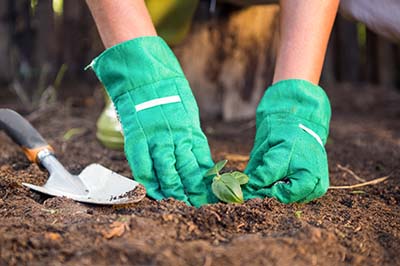
What Can I Plant Now in Georgia?
Georgia gardeners can plant or prepare for a crop during much of the year, but the right choice depends on the month, region, local frost pattern and whether a plant prefers cool or warm conditions. Spring and fall are the two main vegetable-planting periods. Cool-season crops tolerate lower temperatures, while tomatoes, peppers, beans, cucumbers, squash and okra need warmer conditions.
Use the Georgia Garden Planner for month-and-region guidance. Check the Georgia Planting Calendar for broader crop windows, then compare Georgia Last Frost Dates and Georgia First Frost Dates before setting out tender plants or scheduling a fall crop.
Choose Your Georgia Growing Region
Planting recommendations shift across Georgia. University of Georgia guidance commonly uses Middle Georgia as a statewide baseline, then advises gardeners to adjust for earlier warmth in the south and later spring conditions in the north. Local elevation, weather and frost history still matter, so regional dates are starting ranges rather than guarantees.
North Georgia
Spring planting generally begins later in northern counties, while the fall planting window can close earlier. Mountain elevation and cold pockets create additional variation.
Use the North Georgia Planting Calendar and local frost information before setting out warm-season crops.
Middle Georgia
The Columbus–Macon–Augusta belt is commonly used as the reference area for statewide planting guidance.
Use the Middle Georgia Planting Calendar as a baseline, then adjust for current weather and conditions in your county.
South Georgia
Warmer conditions can allow spring planting to begin earlier and fall planting to continue later. Summer heat and humidity make crop selection, watering, airflow and disease awareness especially important.
Start with the South Georgia Planting Calendar.
Garden Through Georgia’s Seasons
Georgia’s long growing season creates more than one opportunity to plant, but each season calls for different choices and care.
Spring
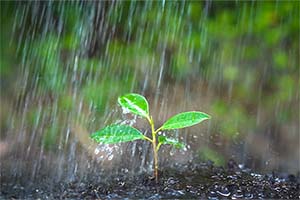
Spring begins with cool-season vegetables and transitions to warm-season crops after local frost risk and soil conditions are suitable.
Use Spring Gardening in Georgia to plan the changeover without rushing heat-loving plants into cold soil.
Summer
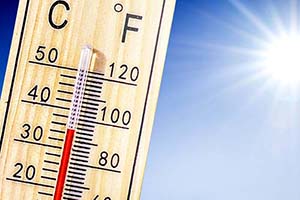
Summer favors heat-tolerant crops such as okra, southern peas, sweet potatoes and many peppers. Root-zone moisture, mulch, airflow and timely harvesting become important. Summer is also when many fall crops must be started.
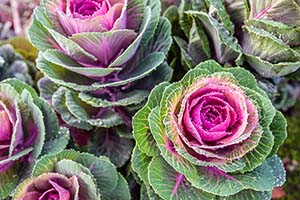
Fall
Fall is a major Georgia planting season for leafy greens, brassicas and many root crops. Establish young plants while enough growing time remains before colder weather.
Use Fall Gardening in Georgia for timing and care priorities.
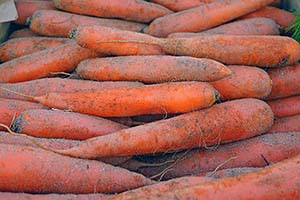
Winter
Winter can still provide cool-season harvests in mild or protected locations. It is also useful for cleaning beds, reviewing soil needs and planning spring seed starting.
Follow Winter Gardening in Georgia for seasonal tasks.
Popular Crops for Georgia Gardens
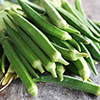
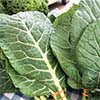
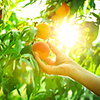
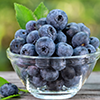
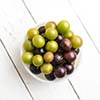
Useful Georgia crop choices include tomatoes, peppers and okra for warm weather; collard greens for cooler seasons; and peaches, blueberries, muscadines and pecans for established fruit and nut plantings. Results still depend on an appropriate variety, planting site and care routine.

Plan a Healthier, More Productive Garden
A productive garden begins with suitable soil, sensible plant placement and early identification of problems. These fundamentals are more dependable than one-size-fits-all amendments or promises that one companion plant will solve every pest issue.
Start With Your Soil
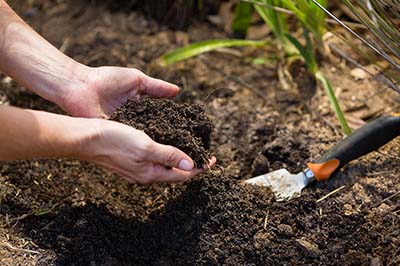
Test before adding lime or fertilizer. A soil test identifies pH and nutrient needs, while drainage, organic matter and consistent moisture affect how roots use those nutrients.
Review Georgia Soil Testing and Garden Preparation before changing the bed.
Use Companion Planting Wisely
Companion planting is useful for organizing crops around spacing, shade, growth habits, flowering periods and harvest timing. It can support a diverse garden, but it is not guaranteed pest control.
Use the Companion Planting Guide to compare practical pairings and conflicts.
Identify Pests and Diseases
Look closely before treating a plant. Similar symptoms can come from insects, disease, watering problems, heat stress or nutrient issues. Airflow, sanitation and appropriate watering can reduce some problems; treatments should be labeled for the crop and identified issue.
Visit Pest and Disease Help for the next step.
Grow → Harvest → Cook
Start with a crop suited to your Georgia region and season, then use the Crop Guides and planning resources to choose a planting window and care routine. As the crop develops, watch for maturity and good harvest quality so you can pick it at the right time.
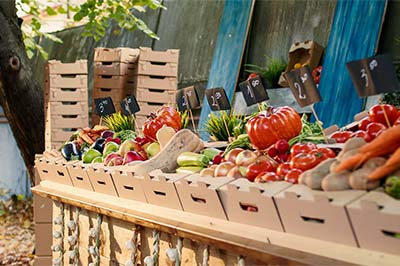
GA Garden’s Harvesting Guides explain picking and handling. When you are ready to cook, the Recipe Finder connects 225 complete recipes to vegetables, fruits and herbs. Find Recipes for What You Grew by ingredient or dish type—from peas and radishes to tomatoes, zucchini, peaches and fresh herbs.

Explore Georgia Garden
Choose a crop family when you know what you want to grow, or begin with the Garden Planner to match the month and growing region. Growing Guides explain planting and care beyond individual crops.
Follow a seasonal path for timely tasks, use Pest & Disease Help when a symptom appears, and bring the harvest into the kitchen with the Recipe Finder.
Browse by crop family: Georgia Vegetable Guides · Georgia Fruit Guides · Georgia Herb Guides
Search GA Garden
Search Georgia crop guides, planting calendars, seasonal advice, garden tools and 225 recipes.
Popular: What Can I Plant Now? · Planting Calendar · Recipe Finder · Growing Guides · Frost Dates
GA Garden Recognition
Featured on Redfin

GA Garden was featured in Redfin’s article, How to Build a Garden Without Disrupting Nature, about planning a garden while respecting the surrounding landscape.
Guest contribution
GetGardening.info
Emma Croft of GetGardening.info authored How to Design a Beautiful Yet Productive Georgia Backyard Garden. GA Garden thanks GetGardening.info for sharing the article with its readers.