Tomatoes are a warm-season favorite in Georgia, but planting time and summer performance vary across the state. For the best results, give plants full sun, well-drained soil, consistent moisture and good airflow, and adjust planting dates for your local frost risk and weather.
Choose a sunny site: Tomatoes perform best with at least 6 to 8 hours of direct sun and good air circulation.
Use well-drained soil: Improve garden soil with organic matter when appropriate, and use soil-test results to guide lime and fertilizer decisions.
Plant after frost danger: Transplants should go outside after local frost risk has passed and soils have warmed. Georgia planting dates vary considerably by location.
Support plants: Cages, stakes or trellises help keep foliage and fruit off the ground and can improve airflow.
Water consistently: Deep, regular watering is preferable to large swings between very dry and very wet soil. Mulch can help moderate moisture and soil temperature.
Watch for pests and disease: Inspect leaves, stems and fruit regularly so problems can be identified early.
Georgia note: North Georgia, the Piedmont and South Georgia do not share one exact tomato-planting date. Use local frost dates and current conditions rather than relying on a single statewide calendar date.
Why Tomatoes Matter in Georgia Gardens
Tomatoes are one of the most popular vegetables grown by Georgia home gardeners, and University of Georgia Extension describes them as one of the garden's most prized crops. Their popularity comes from both versatility and the enormous range of types available—from compact determinate plants to sprawling indeterminate vines.
Georgia also has a deeper tomato connection. Tattnall County's Glennville has a vegetable-growing history dating to the 1930s and was once known as the “Tomato Capital”, a title the community celebrated with a tomato festival. Today, tomatoes remain part of Georgia's broader fruit-and-vegetable agricultural economy as well as a backyard-garden favorite.
Georgia Tomato Quick Facts
UGA Extension identifies tomatoes as one of Georgia home gardeners' most popular vegetable crops.
Georgia's warm season can support a long tomato-growing period, but heat, humidity and disease pressure make timing and airflow important.
Some southern parts of Georgia can support a second tomato crop planted in midsummer for fall harvest.
Glennville, Georgia, was historically known as the “Tomato Capital.”
Determinate and indeterminate tomatoes grow differently, so variety choice affects spacing, support and harvest pattern.
From Georgia Garden to Kitchen: Tomato Recipes
A productive tomato patch can quickly produce more ripe fruit than one household can eat fresh. These simple recipes give gardeners another reason to harvest regularly and use tomatoes at peak quality.
Choose meaty tomatoes for sauce and pie, and save fully ripe slicing or cherry tomatoes for bruschetta, gazpacho and fresh salad. Use the five recipes below or browse all 225 garden-to-kitchen recipes for more ways to cook from the garden.
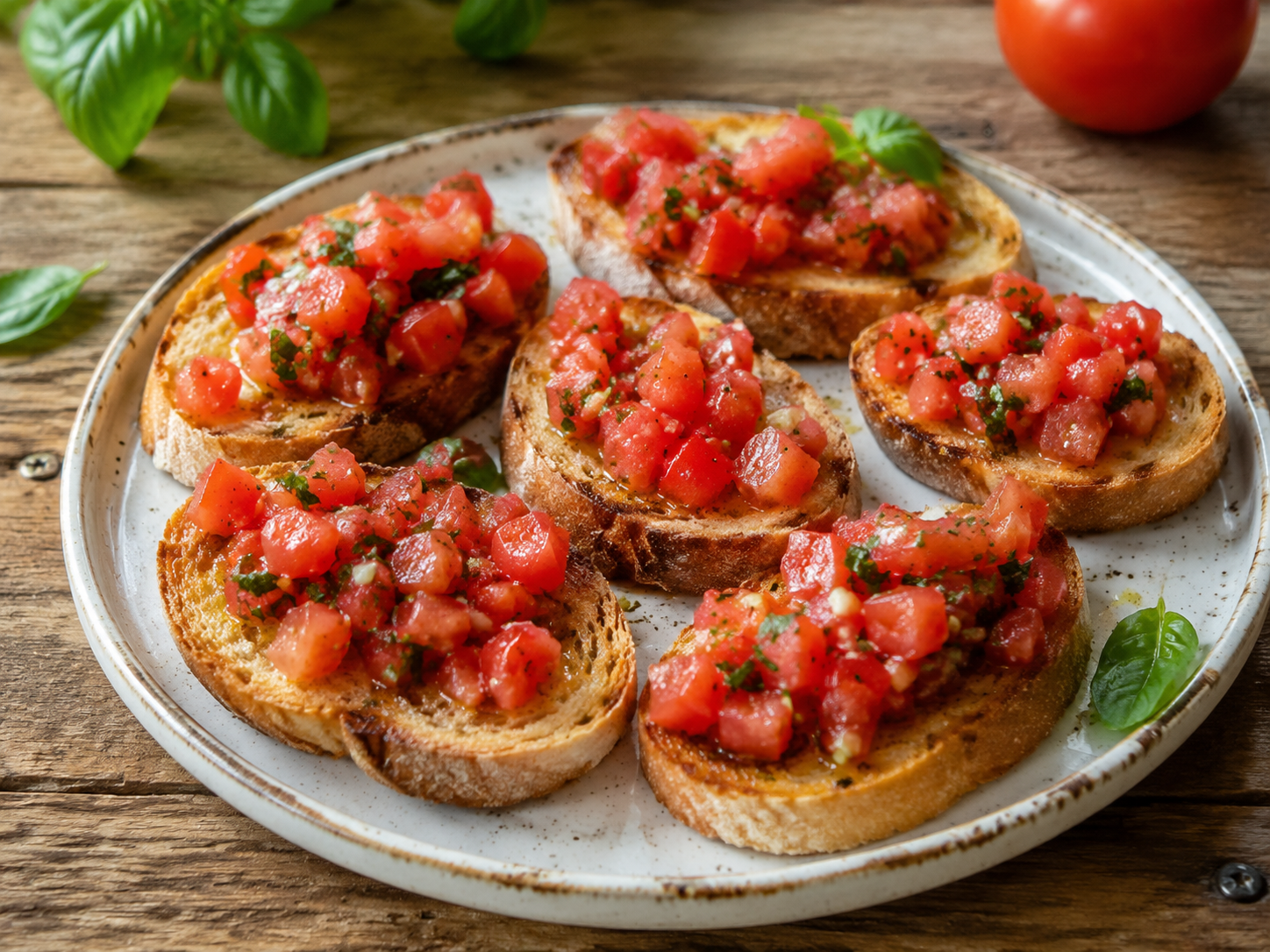
Tomato Basil Bruschetta
Ripe tomatoes, basil and garlic tossed with olive oil and piled onto toasted bread.
Yield: 12 pieces
Prep: 15 min
Mix: 20 min
Total Time: 35 min
Ingredients
4-5 ripe tomatoes, diced
1/4 cup fresh basil, chopped
3 cloves garlic, minced
2 tablespoons extra-virgin olive oil
Salt and pepper to taste
Baguette slices for serving
Instructions
In a bowl, combine diced tomatoes, chopped basil, minced garlic, olive oil, salt, and pepper. Mix well.
Let the mixture sit for about 15-20 minutes to allow the flavors to meld.
Toast the baguette slices until golden brown.
Spoon the tomato mixture onto the toasted baguette slices.
Serve immediately and enjoy!
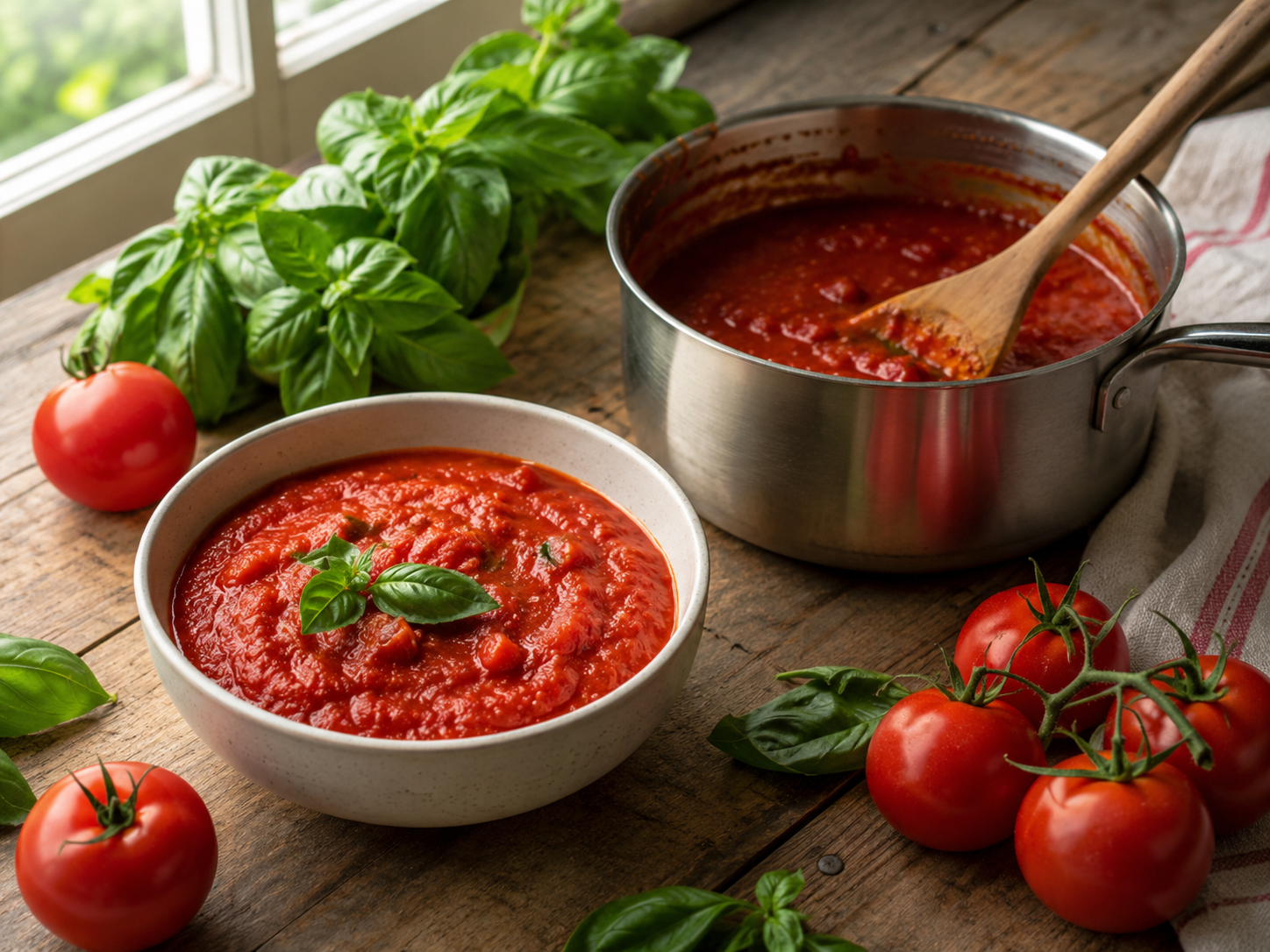
Homemade Tomato Sauce
Ripe tomatoes simmered with onion, garlic, oregano and olive oil for a versatile homemade sauce.
Yield: About 6 cups
Prep: 15 min
Simmer: 2 hr
Total Time: 2 hr 15 min
Ingredients
10-12 medium-sized tomatoes, peeled and chopped
1 onion, finely chopped
3 cloves garlic, minced
2 tablespoons olive oil
1 teaspoon dried oregano
1 teaspoon dried basil
Salt and pepper to taste
Instructions
Heat olive oil in a large saucepan over medium heat. Add onions and garlic, sauté until softened.
Add chopped tomatoes, oregano, basil, salt, and pepper. Stir well.
Bring the mixture to a simmer, then reduce heat and let it simmer for about 1-2 hours, stirring occasionally.
Use a blender or immersion blender to puree the sauce until smooth.
Adjust seasoning if needed and use it as a base for pasta dishes, pizzas, or any recipe that calls for tomato sauce.
Storage note: Cool promptly and refrigerate for up to four days, or freeze in meal-size portions. For shelf-stable canning, use a current tested acidified tomato-sauce recipe rather than this stovetop formulation.
Southern Tomato Pie
This savory pie turns a basket of ripe tomatoes into a satisfying summer main dish. Draining the tomato slices well keeps the filling flavorful without making the crust soggy.
Yield: 6 servings
Prep: 15 min
Bake: 35 min
Total Time: 1 hr 35 min
Ingredients
1 baked 9-inch pie crust
4 medium ripe tomatoes, cut into 1/4-inch slices
1/2 teaspoon kosher salt
1/2 cup mayonnaise
1 cup shredded sharp cheddar cheese
1/2 cup shredded mozzarella cheese
1/4 cup thinly sliced fresh basil
2 green onions, thinly sliced
1/2 teaspoon black pepper
Instructions
Arrange the tomato slices on paper towels, sprinkle them with the salt and let them drain for 30 minutes. Blot the tops dry.
Heat the oven to 375°F.
Stir the mayonnaise, cheddar, mozzarella, basil, green onions and black pepper together in a bowl.
Layer half of the tomatoes in the baked crust. Spread half of the cheese mixture over them, then repeat with the remaining tomatoes and cheese mixture.
Bake for 30 to 35 minutes, until the top is browned and the filling is hot.
Rest the pie for 15 minutes before slicing.
Garden kitchen note: Refrigerate leftovers within 2 hours and use within 3 days. Reheat slices in a 325°F oven to help the crust stay crisp.
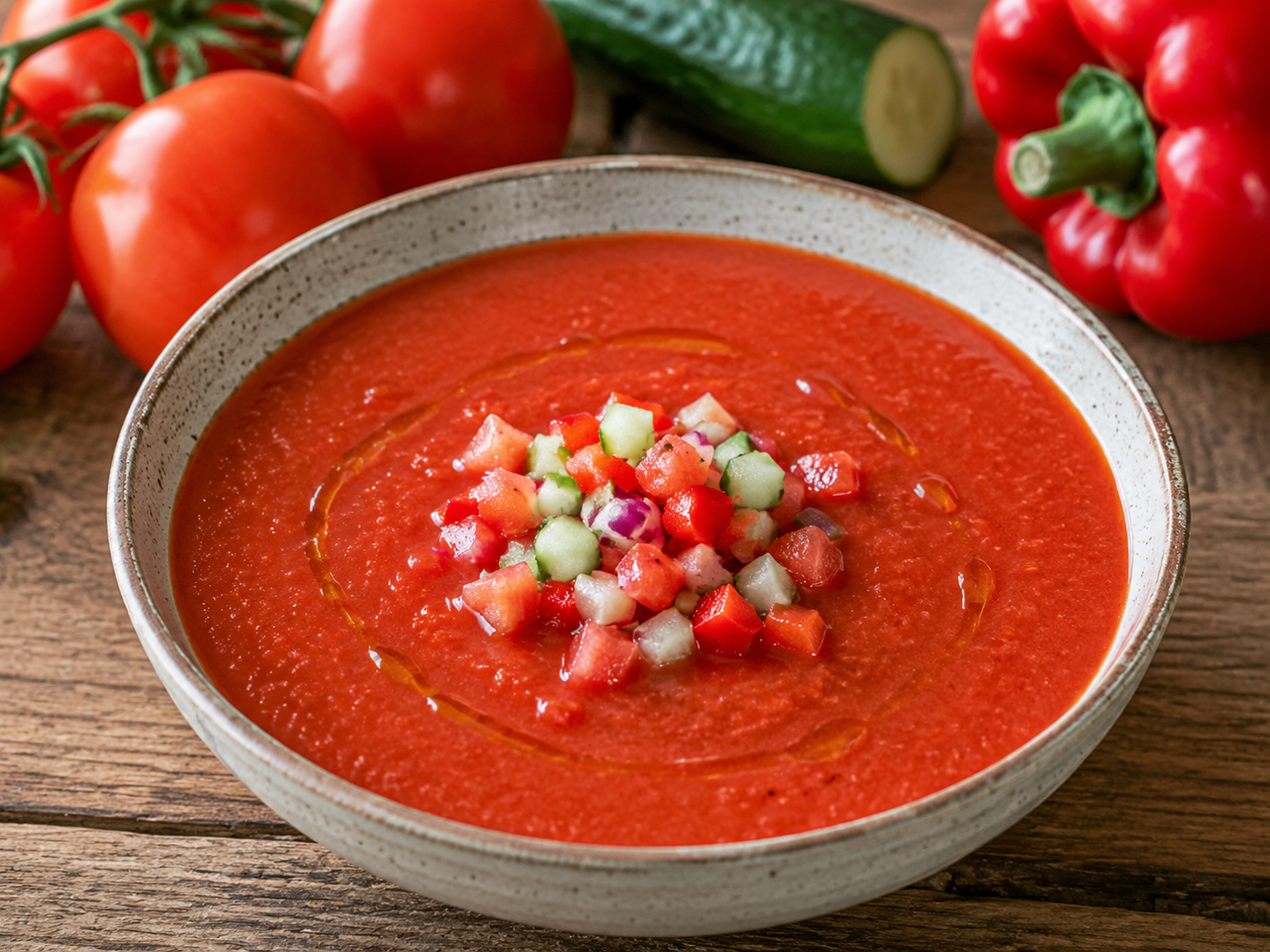
Chilled Garden Tomato Gazpacho
Gazpacho is an easy way to use fully ripe tomatoes when the garden and the weather are both at their peak. Chill it thoroughly so the fresh vegetable flavors can settle and brighten.
Yield: 6 servings
Prep: 15 min
Chill: 2 hr
Total Time: 2 hr 15 min
Ingredients
6 large ripe tomatoes, cored and chopped
1 small cucumber, peeled and chopped
1 red bell pepper, seeded and chopped
1/2 small red onion, chopped
1 garlic clove, chopped
3 tablespoons extra-virgin olive oil
2 tablespoons red wine vinegar
1/2 cup cold water
1/2 teaspoon kosher salt, plus more to taste
1/4 teaspoon black pepper
Instructions
Reserve 1/2 cup of the chopped tomato, cucumber, bell pepper and red onion for topping.
Add the remaining vegetables, garlic, olive oil, vinegar, cold water, salt and pepper to a blender.
Blend until smooth, working in batches if needed.
Taste and adjust the salt or vinegar. Cover and refrigerate for at least 2 hours.
Stir well, divide among bowls and top with the reserved diced vegetables.
Garden kitchen note: Keep the soup refrigerated and use within 2 days. Stir before serving because the fresh mixture may separate slightly.
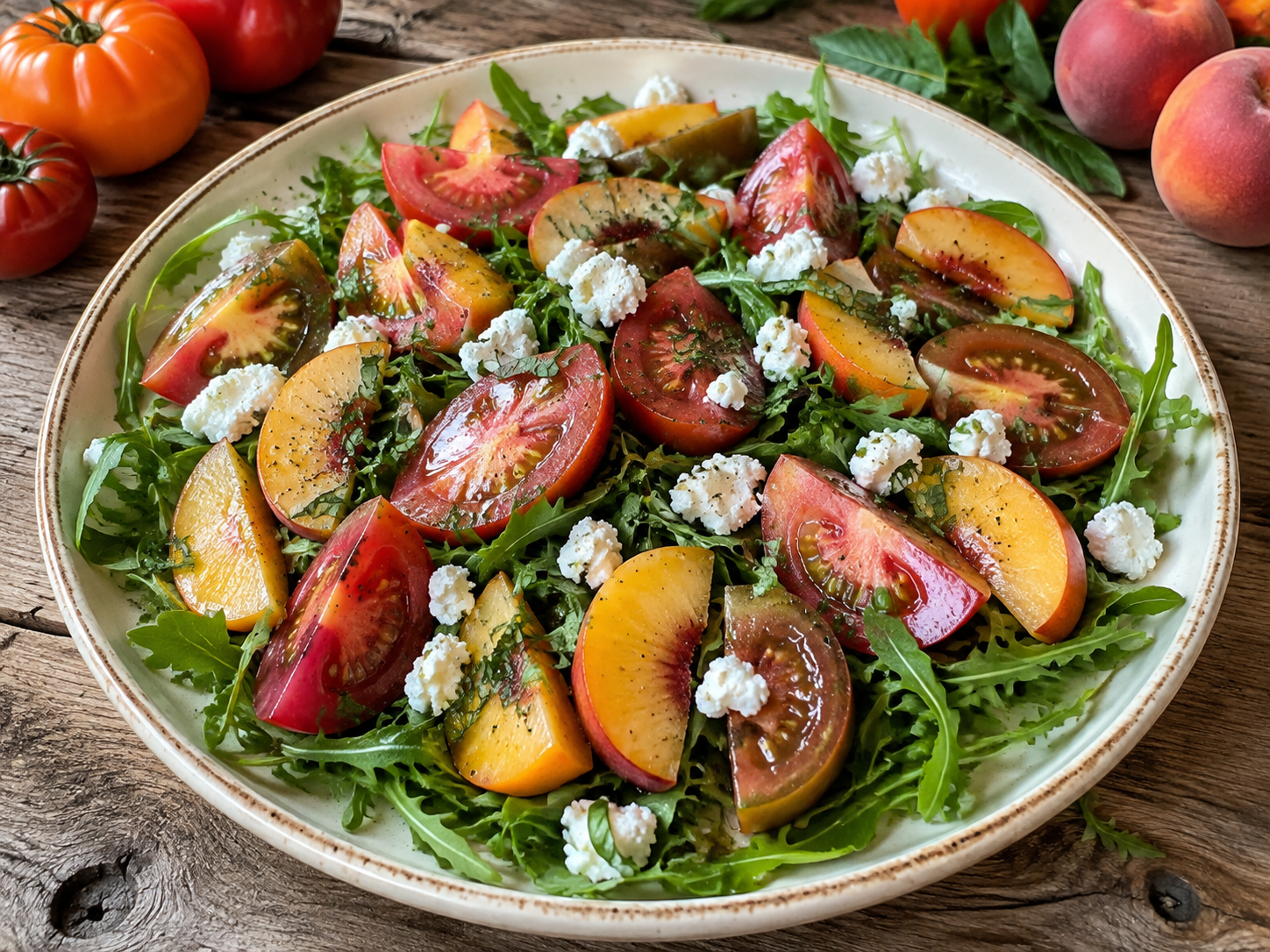
Heirloom Tomato and Peach Salad
Tomatoes and peaches ripen together in Georgia, and their sweet-tart flavors make a natural warm-season salad. Assemble it just before serving so the fruit stays firm and the arugula remains fresh.
Yield: 4 servings
Prep: 15 min
Mix: 5 min
Total Time: 20 min
Ingredients
3 large heirloom tomatoes, cut into wedges
3 ripe but firm peaches, pitted and cut into wedges
4 cups baby arugula
1/3 cup crumbled goat cheese
1/4 cup torn fresh basil
2 tablespoons extra-virgin olive oil
1 tablespoon balsamic vinegar
1 teaspoon honey
1/2 teaspoon kosher salt
1/4 teaspoon black pepper
Instructions
Whisk the olive oil, balsamic vinegar, honey, salt and pepper in a small bowl.
Spread the arugula on a serving platter and arrange the tomato and peach wedges over it.
Scatter the goat cheese and basil across the salad.
Drizzle with the dressing and serve immediately.
Garden kitchen note: For the cleanest slices, choose peaches that are fragrant and ripe but still firm. Refrigerate any leftovers promptly and use within 1 day.
When to Plant Tomatoes in Georgia
Tomatoes need warm conditions and are generally transplanted after the danger of frost has passed. Georgia's elevation and latitude create meaningful differences in planting time, so the calendar below is a general framework rather than a statewide planting-date guarantee.
Spring Planting (Late March - May)
Late March - Early April: Some warmer Georgia locations may be approaching suitable transplanting conditions, while colder areas can still face frost. Check your local forecast and average frost dates before planting.
April: Many Georgia gardeners transplant tomatoes during April when local frost danger has passed. Provide cages or stakes and choose a location receiving at least 6 to 8 hours of direct sun.
May: Later planting may still be appropriate, particularly in cooler locations. Mulch after planting to help conserve moisture and suppress weeds, and water consistently during dry periods.
Summer Care (June - August)
June: Maintain consistent moisture and monitor plant growth. Use soil-test and crop recommendations rather than routinely adding fertilizer. Mulch can help moderate soil moisture and temperature.
July: Georgia heat and humidity can increase plant stress and disease pressure. Maintain consistent watering, keep foliage as dry as practical when irrigating, and inspect plants for hornworms and other pests.
August: Continue consistent watering and monitor for heat stress, disease and declining plants. Where gardeners plan a fall crop, planting timing depends heavily on location and the expected first frost.
Late Summer to Fall Harvest (September - October)
September: Tomatoes should still be producing fruit in September. Continue with regular maintenance, and harvest ripe tomatoes regularly. Consider planting a second round of tomatoes for a fall harvest if your growing season allows.
October: In Georgia, you may continue to harvest tomatoes into early October, depending on weather conditions. As temperatures start to drop, protect plants from early frosts with covers if necessary. Harvest any remaining fruit before the first frost.
It's important to note that these timelines can vary based on the specific region in Georgia and the local climate conditions. Additionally, selecting tomato varieties adapted to your region and practicing good gardening practices, such as proper spacing, pruning, and disease control, contribute to a successful tomato harvest. Adjust the planting schedule based on local climate conditions and the specific needs of the tomato varieties you choose.
Common Georgia Tomato Problems Beyond Insects
Not every tomato problem is caused by a pest. Georgia heat, rainfall, humidity and uneven soil moisture can contribute to fruit disorders and disease pressure.
Blossom-end rot: The dark, sunken area on the blossom end of fruit is a physiological disorder associated with inadequate calcium reaching developing fruit. Large swings in soil moisture can make the problem worse even when calcium is present in the soil.
Leaf-spot and wilt diseases: Good spacing, keeping foliage off the soil, crop rotation and watering near the base of plants can help reduce disease pressure. Resistant varieties can also be valuable.
Heat stress: Very hot conditions can slow fruit set and increase water demand. Consistent irrigation and mulch help plants cope with Georgia summer conditions.
Common Tomato Pests in Georgia
Tomatoes are susceptible to various pests that can affect both the plants and the fruit. Here are some common tomato pests:
Aphids (Aphidoidea):
Description: Small, soft-bodied insects that feed on plant sap.
Damage: Aphids can cause curled and distorted leaves, transmit diseases, and excrete honeydew, leading to the growth of sooty mold.
Control: Confirm the pest first. Strong water sprays, conservation of beneficial insects, and labeled insecticidal soaps may be options depending on infestation severity.
Hornworms (Manduca spp.):
Description: Large, green caterpillars with a horn-like projection on their rear end.
Damage: Hornworms can defoliate tomato plants and chew on the fruit.
Control: Handpick hornworms when practical and conserve parasitic wasps and other natural enemies. If treatment is needed, use a product labeled for tomatoes and the target pest.
Whiteflies (Aleyrodidae):
Description: Small, winged insects that feed on the undersides of leaves.
Damage: Whiteflies can cause yellowing of leaves, transmit diseases, and excrete honeydew.
Control: Confirm whiteflies are present and monitor the infestation. Conserve natural enemies and use a product labeled for tomatoes and whiteflies if treatment is needed.
Spider Mites (Tetranychidae):
Description: Tiny arachnids that suck plant sap, causing stippling on leaves.
Damage: Leaves may appear speckled, and severe infestations can weaken plants.
Control: Confirm mites are present and reduce plant stress with consistent watering. If populations warrant treatment, use a product labeled for tomatoes and mites.
Tomato Fruitworm (Helicoverpa zea):
Description: Larvae that bore into tomato fruit.
Damage: Fruitworms can cause damage to developing tomatoes, creating entry points for secondary infections.
Control: Remove badly damaged fruit and monitor plants for larvae. If treatment is needed, use a product labeled for tomatoes and the identified caterpillar pest.
Cutworms (Noctuidae family):
Description: Larvae that cut through stems near the soil surface.
Damage: Cutworms can sever young tomato plants at the base.
Control: Protect young transplants with physical barriers where cutworms are a recurring problem and handpick larvae when practical. Use labeled controls only when needed.
Leafhoppers (Cicadellidae family):
Description: Small insects that feed on plant sap.
Damage: Leafhoppers can cause stippling on leaves and transmit diseases.
Control: Confirm leafhoppers are causing meaningful damage before treating and conserve beneficial insects. Use labeled controls only when warranted.
Thrips (Thysanoptera):
Description: Tiny, slender insects that feed on leaves, causing stippling and distortion.
Damage: Thrips can transmit diseases and reduce plant health.
Control: Confirm thrips are present and monitor damage. Conserve beneficial insects and use a product labeled for tomatoes and thrips when treatment is warranted.
Regular monitoring of tomato plants, early identification of pests, and the use of integrated pest management (IPM) practices are essential for preventing and managing pest infestations. Additionally, practices such as crop rotation, companion planting, and maintaining good garden hygiene can help reduce the risk of pests in tomato plants.
How to Identify and Manage Tomato Hornworms
Tomato hornworms are large, green caterpillars that can cause significant damage to tomato plants. Here's how to identify and get rid of them:
Identification
Appearance: Tomato hornworms are typically bright green with white and black markings along their sides. They have a characteristic horn-like projection on their rear end, which is harmless.
Size: These caterpillars can grow up to 4 inches long, making them relatively easy to spot.
Damage: Look for chewed leaves, stems, and occasionally fruit. You may also notice dark green or black droppings on the leaves or soil, indicating their presence.
Eggs: The moths lay small, smooth, greenish-white eggs on the underside of leaves. Inspect your plants regularly to spot them early.
Getting Rid of Tomato Hornworms
Handpicking: The most effective method is to manually remove the caterpillars. Wear gloves and drop them into soapy water to kill them.
Natural Predators: Watch for hornworms carrying small white cocoons from parasitic wasps; leave those caterpillars in place so the beneficial wasps can complete their life cycle. Diverse flowering plants can help support beneficial insects in and around the garden.
Bacillus thuringiensis (Bt): Bt products labeled for tomato caterpillars can be effective on young larvae. Follow the product label, including application and safety directions.
Neem Oil: Some labeled products may be used for caterpillar management, but effectiveness and effects on non-target organisms vary. Follow the label and avoid unnecessary applications.
Crop Rotation: Rotating tomatoes and related crops can be part of broader garden sanitation and disease-management practices, although adult hornworm moths can fly into the garden from elsewhere.
Cover Crops: Physical exclusion with appropriate insect netting can reduce egg-laying when installed before moth activity, but covers must be managed so they do not interfere with plant growth and pollination needs.
Regular inspection and early intervention are key to keeping your tomato plants healthy and free from hornworm damage.
Georgia Companion Planting with Tomatoes
Use companion planting to improve diversity and make good use of space, not as a promise that one plant will eliminate tomato pests. Basil can share the same sunny, warm-season conditions, while low-growing herbs and flowers around the bed can add pollinator and beneficial-insect habitat. Keep enough space around tomato foliage for airflow in Georgia humidity.
Rotation matters even more: tomatoes, peppers, eggplant and potatoes are all nightshade-family crops and can share soil-borne disease and pest problems. When possible, avoid moving tomatoes into a bed that just held another nightshade.
Georgia Tomato Retention Tip: Why Flowers Drop in Summer
During periods of extreme Georgia heat, tomato flowers may fail to set fruit even when plants look healthy. Keep plants evenly watered and mulched, avoid pushing excessive nitrogen, and remember that fruit set can improve again when temperatures moderate.
Keep Exploring Georgia's Summer Garden
If tomatoes are going into your warm-season garden, explore other Georgia favorites such as peppers, okra, cucumbers, squash and basil. Basil also pairs naturally with the tomato recipes above.
Georgia Tomato Gardening Resources
Planting dates, cultivar recommendations and pest-management advice can change by location and season. For research-based local recommendations, consult University of Georgia Cooperative Extension and your county Extension office.