Growing Squash in Georgia
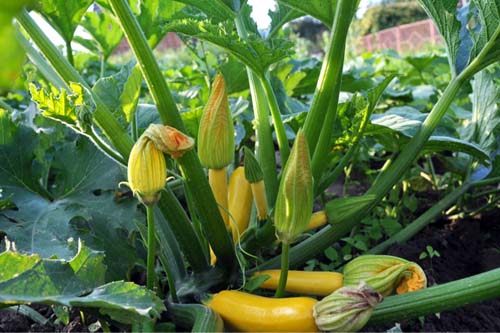
Squash is a Georgia summer-garden workhorse. Yellow crookneck, straightneck, zucchini and scallop squash are harvested young and tender, while winter squash such as acorn, butternut and hubbard stay on the vine until mature. Georgia's long warm season can support both—but successful squash depends heavily on pollination, pest timing and frequent harvest.
Summer Squash vs. Winter Squash in Georgia
“Summer” and “winter” describe how squash is harvested and used more than when the vines grow. UGA notes that both types can grow through Georgia's warm season.
- Summer squash: Yellow crookneck, yellow straightneck, scallop/pattypan and zucchini are harvested while immature, with tender skin and flesh.
- Winter squash: Acorn, butternut, hubbard and similar types mature fully on the vine, develop hard rinds and can be stored much longer after harvest.
- Bush vs. vining: Some squash stay relatively compact while vining types need considerably more garden space.
Georgia Squash Quick Facts
- Summer squash can be grown throughout Georgia's warm season and is eaten at an immature stage.
- Squash flowers depend on bees and other pollinators to move pollen from male to female flowers.
- UGA recommends succession planting squash rather than putting the entire crop in at once.
- Squash bugs can produce multiple generations per year in Georgia.
- Georgia gardeners can make another late-summer planting where enough frost-free time remains.
When to Plant Squash in Georgia
Squash is frost-tender. Plant after frost danger has passed and the soil has warmed. Georgia's regional differences mean South Georgia can generally start earlier than North Georgia, so local frost dates matter more than one statewide date.
UGA garden-calendar guidance recommends making additional squash plantings about two to three weeks apart during spring. A later crop can also be planted in summer where enough warm weather remains; statewide calendar guidance advises getting late squash planted by about the end of August.
How to Grow Squash in Georgia
- Use full sun: Choose a sunny, well-drained garden site with enough room for the mature plant.
- Know the growth habit: Bush summer squash uses less space than sprawling winter squash and pumpkins.
- Soil-test before fertilizing: Correct pH and fertility support vigorous plants that are better able to tolerate pest pressure.
- Water deeply: Supply moisture at the root zone and avoid repeatedly wetting foliage when possible.
- Mulch after establishment: Mulch helps conserve moisture and suppress weeds during hot Georgia weather.
- Plant successions: Starting a few new plants every couple of weeks can extend harvest and give you replacement plants as older vines encounter insects or disease.
- Rotate cucurbits: Avoid repeatedly growing squash, cucumber, pumpkin, melon and related crops in the same location.
Why Squash Flowers but Doesn't Make Fruit
This is one of the most useful things for a new squash gardener to understand. Squash plants produce separate male and female flowers. Bees move pollen between them. If pollination is poor, a tiny squash behind a female flower may stop growing, shrivel or rot instead of developing into a harvestable fruit.
Do not panic when the first blossoms fall without producing squash—male flowers often appear before female flowers. Once both are open, protect pollinator activity and avoid unnecessary insecticide use during bloom.
Georgia Companion Gardening with Squash
New cornerstone guide: How to Grow a Three Sisters Garden in Georgia connects squash with corn and pole beans and explains planting order, spacing, pollination and a practical Georgia layout.
Squash gives us one of the strongest evidence-backed companion-gardening stories on GA Garden: the traditional Three Sisters system of corn, beans and squash. UGA educational material describes the system as a Native American farming technique in which the crops occupy different layers of the planting.
- Corn: Provides vertical structure for climbing beans.
- Beans: As legumes, they participate in nitrogen fixation through their root-associated bacteria; in a traditional planting they also use the corn for support.
- Squash: Spreads over the ground, shading soil, reducing moisture loss and suppressing some weed growth.
- Pollinator flowers nearby: A sunny flowering border can provide additional forage and habitat for pollinators without crowding squash vines.
Important: Three Sisters is a specific intercropping system—not a rule that any squash planted beside any corn automatically improves yield. Planting design, spacing, cultivar growth habit, water and airflow still matter.
How to Try a Three Sisters Garden
UGA school-garden guidance presents one example: establish corn first, then add pole beans and squash after the corn is growing strongly. Traditional systems varied among Native cultures, so there is no single universal Three Sisters layout.
For an ordinary Georgia vegetable bed rather than a traditional mound, keep the same principle in mind: give vigorous vining squash enough room that it does not overwhelm young corn or neighboring vegetables.
How to Harvest Summer Squash
Summer squash is usually best before it becomes oversized. Frequent picking keeps fruit tender and encourages plants to continue producing.
- Check productive plants often—summer squash can size rapidly in warm weather.
- Harvest zucchini and yellow squash while the skin is tender and before seeds become hard.
- Use a knife or pruners rather than twisting aggressively and damaging the plant.
- Remove oversized fruit so the plant can redirect energy toward younger squash.
Harvesting Winter Squash
Winter squash follows a different rule: allow fruit to mature and the rind to harden before harvest. Handle mature fruit carefully because cuts and bruises reduce storage life. Leave a short section of stem attached when the cultivar allows, and cure/store according to the needs of the specific type.