Growing Cucumbers in Georgia
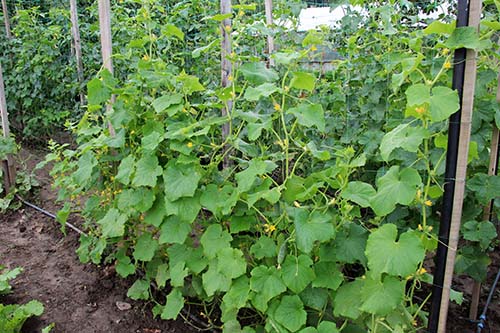
Growing cucumbers vertically on a trellis

Georgia's long, warm growing season is well suited to cucumbers. Home gardeners can grow crisp slicing cucumbers, compact bush types and pickling varieties—and in much of the state there is an opportunity for both a spring crop and a late-summer planting for fall harvest.

Georgia Vegetables Growing Guides Seasonal Produce Pest & Disease Help

Georgia Cucumber Quick Facts

Best Cucumber Varieties for Georgia

Rather than calling one cucumber the universal “best,” choose by how you plan to use the harvest. UGA's current home-garden guidance lists several cultivars for Georgia.

Fresh Slicing Cucumbers

Pickling Cucumbers

UGA lists Bush Pickle, Calypso and County Fair among pickling choices. Pickling cucumbers should be harvested while young, before seeds become hard.

Mostly-Female / Gynoecious Types

UGA also lists General Lee and Calypso in the gynoecious category. These plants produce mostly female flowers and can bear earlier or more heavily, but pollination requirements depend on the cultivar and seed mix, so follow the seed supplier's directions.

When to Plant Cucumbers in Georgia

UGA's statewide chart gives a useful baseline of roughly April 1–May 15 for the spring crop. Georgia is climatically diverse, however: Extension guidance notes that South Georgia spring dates may be about two weeks earlier, while North Georgia can run one to three weeks later.

A fall cucumber crop is also possible in appropriate parts of Georgia. Depending on the UGA chart and region, late-summer cucumber planting generally falls from mid-July into August. Count backward from your expected first frost and compare that window with the cultivar's days to maturity.

How to Grow Cucumbers in Georgia

Should You Trellis Cucumbers?

For many Georgia gardens, yes. UGA specifically recommends trellising when space is limited and notes that it can increase yield while protecting fruit from soil rots. Vertical vines are also easier to inspect and harvest.

Install the trellis early so vines can be trained before they sprawl. Trellising does not eliminate Georgia's disease pressure, but keeping fruit off the soil and opening the planting can make garden management easier.

Why Cucumber Flowers Don't Always Become Cucumbers

Standard cucumber vines produce male and female flowers. Male flowers usually appear first and naturally drop without producing fruit. Once female flowers appear, insects—especially bees—must move sticky pollen between flowers for normal fruit set.

If tiny cucumbers form behind female flowers and then fail to develop, poor pollination can be one cause. Avoid spraying insecticides while bees are actively visiting cucumber flowers.

Georgia Companion Gardening with Cucumbers

For cucumbers, the strongest companion-gardening strategy is less about claiming that one neighboring vegetable “repels” pests and more about building a garden that supports pollination, airflow, efficient use of space and crop rotation.

Useful myth-buster: Cucumbers growing beside squash or pumpkins do not create strange-tasting hybrid fruit that season. Cross-pollination affects the genetics of seeds produced for a future generation, not the cucumber you are currently harvesting. UGA also notes that pumpkins and squash do not cross-pollinate with cucumbers.

Harvesting Cucumbers for the Best Flavor

UGA places cucumber harvest roughly 50–70 days after planting depending on cultivar. Pick fruit while immature and before it becomes yellow and overgrown. Slicing cucumbers are harvested larger than pickling types, but exact ideal size depends on the cultivar.

Cut the stem rather than pulling aggressively on the vine, refrigerate harvested cucumbers, and check productive plants frequently—fruit can size quickly during Georgia's warm weather.
From Georgia Cucumbers to the Kitchen

Fresh cucumbers are naturally suited to hot-weather meals. These existing GA Garden recipes turn the harvest into two cool summer salads.

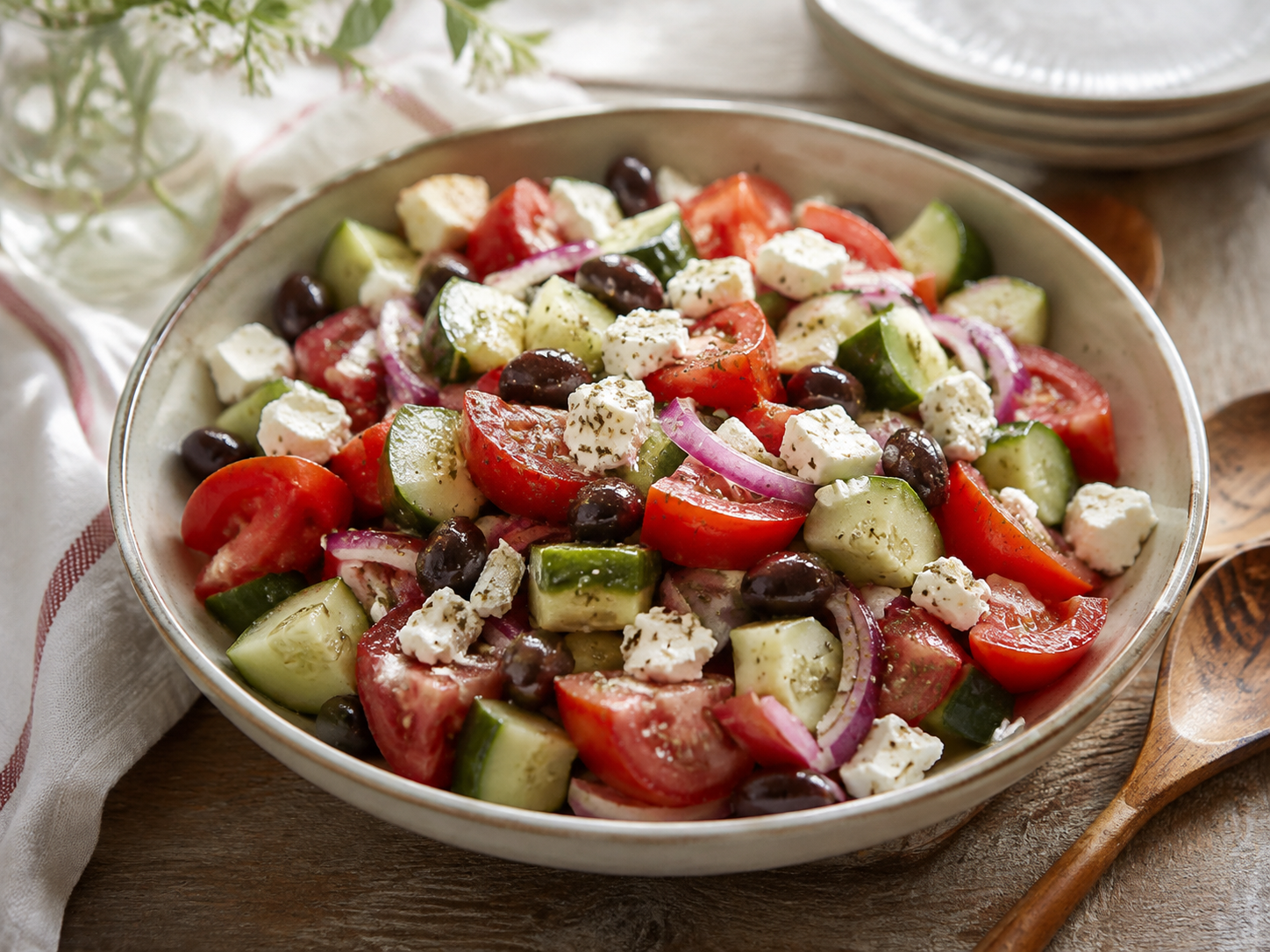
Greek cucumber salad with tomatoes, olives and feta

Cucumber Greek Salad

Cucumbers, tomatoes, red onion, feta and Kalamata olives tossed into a bright Greek-style salad.

  • Yield: 6 servings
  • Prep: 15 min
  • Chill: 30 min
  • Total Time: 45 min

Ingredients

  • 2 large cucumbers, diced
  • 1 cup cherry tomatoes, halved
  • 1/2 red onion, thinly sliced
  • 1 cup feta cheese, crumbled
  • 1/4 cup Kalamata olives, pitted and sliced
  • 1/4 cup fresh parsley, chopped
  • 1/4 cup extra-virgin olive oil
  • 2 tablespoons red wine vinegar
  • Salt and pepper to taste

Instructions

  1. In a large bowl, combine diced cucumbers, cherry tomatoes, red onion, feta cheese, olives, and parsley.
  2. In a small bowl, whisk together olive oil, red wine vinegar, salt, and pepper.
  3. Pour the dressing over the salad and toss gently to combine.
  4. Chill in the refrigerator for at least 30 minutes before serving.
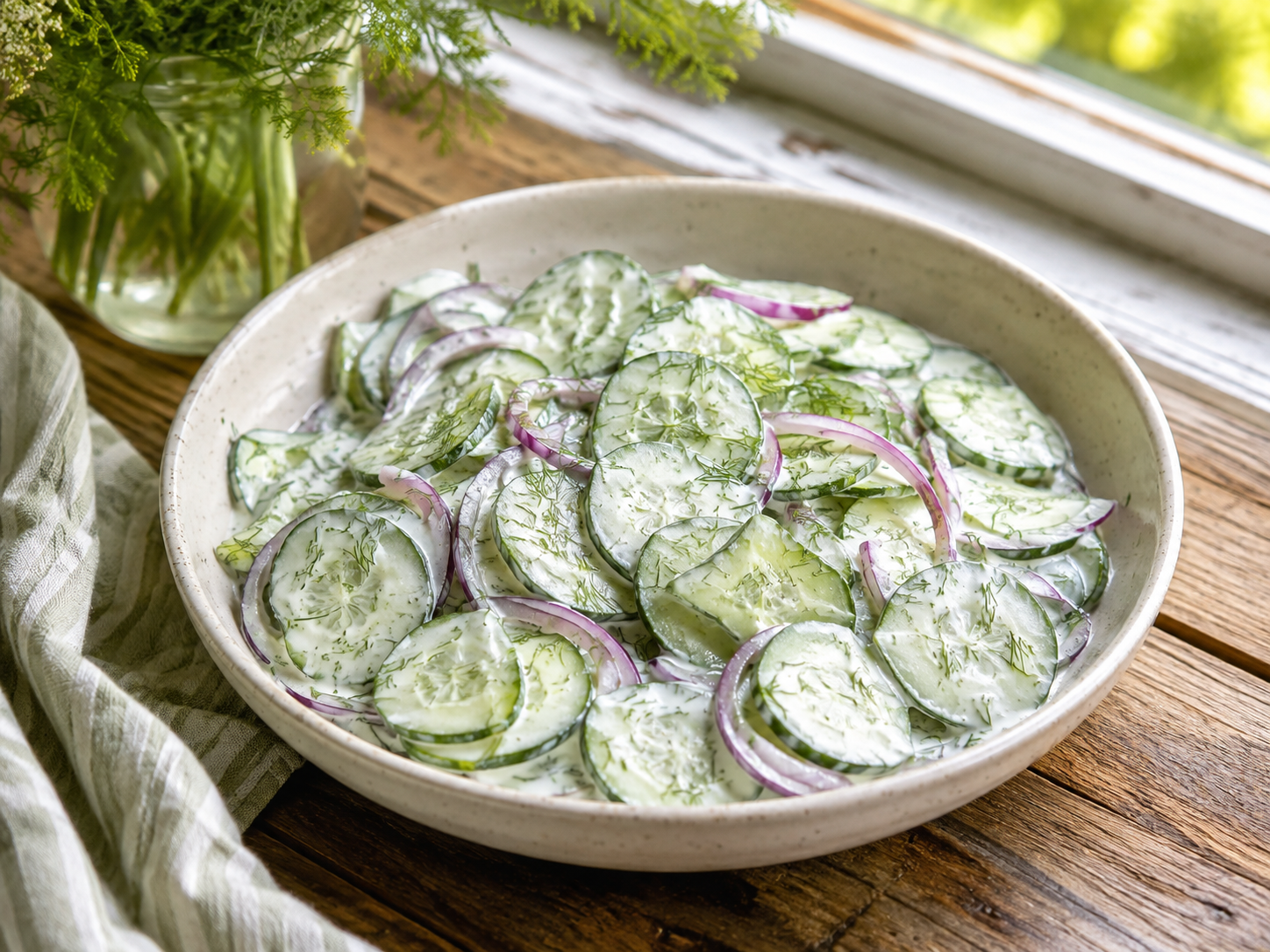
Creamy cucumber salad with dill and red onion

Creamy Cucumber Dill Salad

Thin cucumbers and fresh dill folded into a cool sour-cream dressing with a splash of vinegar.

  • Yield: 6 servings
  • Prep: 15 min
  • Chill: 1 hr
  • Total Time: 1 hr 15 min

Ingredients

  • 3 medium cucumbers, thinly sliced
  • 1/2 cup sour cream
  • 2 tablespoons mayonnaise
  • 1 tablespoon fresh dill, chopped
  • 1 tablespoon white wine vinegar
  • Salt and pepper to taste

Instructions

  1. In a large bowl, combine thinly sliced cucumbers.
  2. In a separate bowl, whisk together sour cream, mayonnaise, fresh dill, white wine vinegar, salt, and pepper.
  3. Pour the dressing over the cucumbers and toss until evenly coated.
  4. Refrigerate for at least 1 hour before serving to allow the flavors to meld.

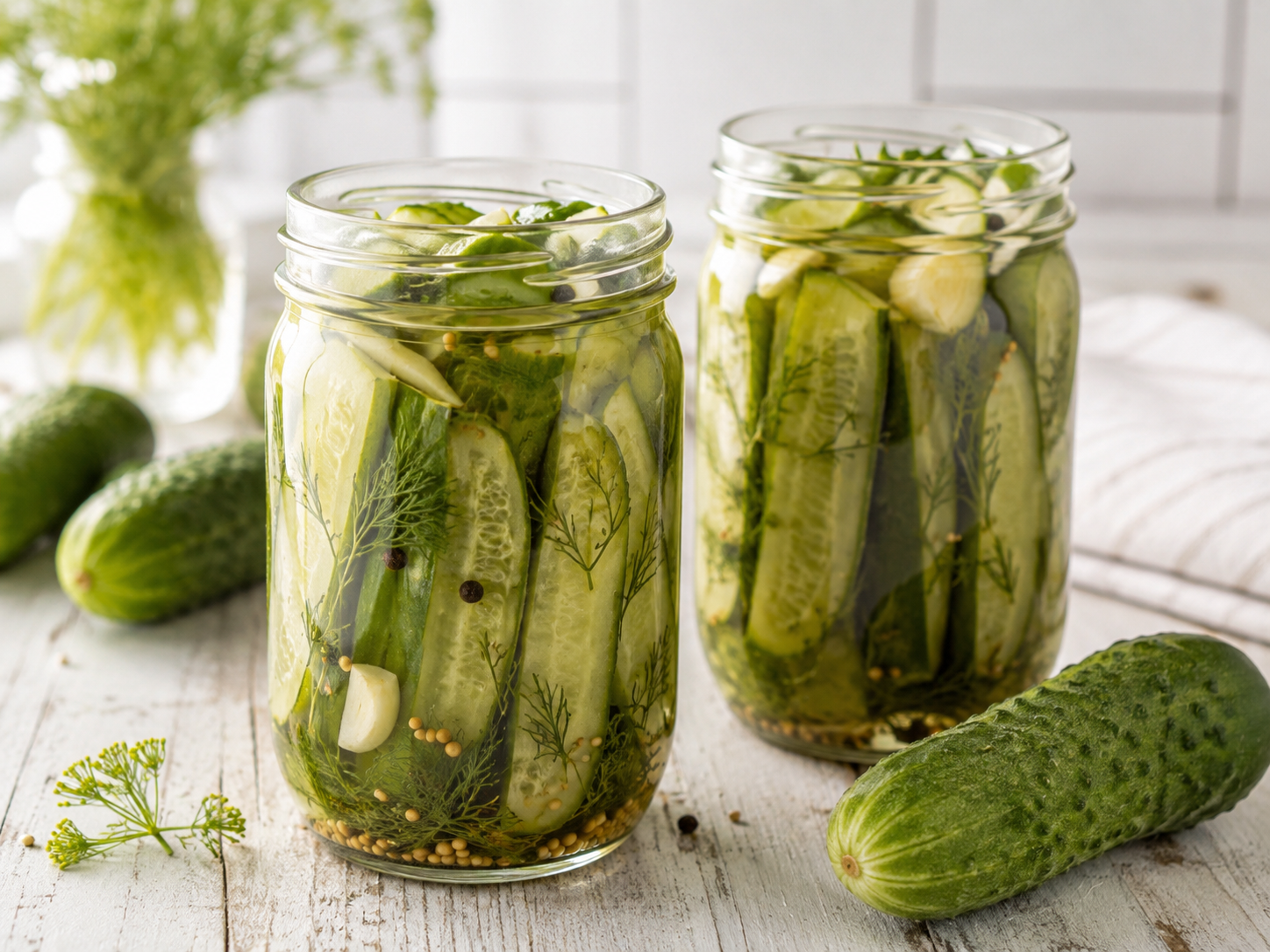
Open jars of crisp refrigerator dill pickle spears with garlic, fresh dill and mustard seeds

Quick Refrigerator Dill Pickles

Crisp cucumber spears packed with fresh dill, garlic and mustard seed in a simple refrigerator brine.

  • Yield: 2 pint jars
  • Prep: 20 min
  • Pickle: 1 day
  • Total Time: 1 day 30 min

Ingredients

  • 1 1/2 pounds pickling cucumbers
  • 1 1/2 cups distilled white vinegar
  • 1 1/2 cups water
  • 1 tablespoon kosher salt
  • 1 tablespoon granulated sugar
  • 4 garlic cloves, lightly crushed
  • 4 large sprigs fresh dill
  • 2 teaspoons mustard seeds
  • 1 teaspoon black peppercorns

Instructions

  1. Wash two pint jars and their lids thoroughly. Cut the cucumbers into spears sized to fit the jars.
  2. Combine the vinegar, water, salt and sugar in a saucepan. Bring to a simmer and stir until the salt and sugar dissolve. Remove from the heat.
  3. Divide the garlic, dill, mustard seeds and peppercorns between the jars. Pack in the cucumber spears without crushing them.
  4. Pour the warm brine over the cucumbers, leaving about 1/2 inch of space at the top. Cool uncovered for 30 minutes.
  5. Cover and refrigerate for at least 24 hours before eating.

Garden kitchen note: These are refrigerator pickles, not shelf-stable canned pickles. Keep refrigerated and use within 2 weeks.

Storage note: Keep the pickles refrigerated and use within three weeks for their best crispness. This is a refrigerator-pickle recipe, not a shelf-stable canning process.

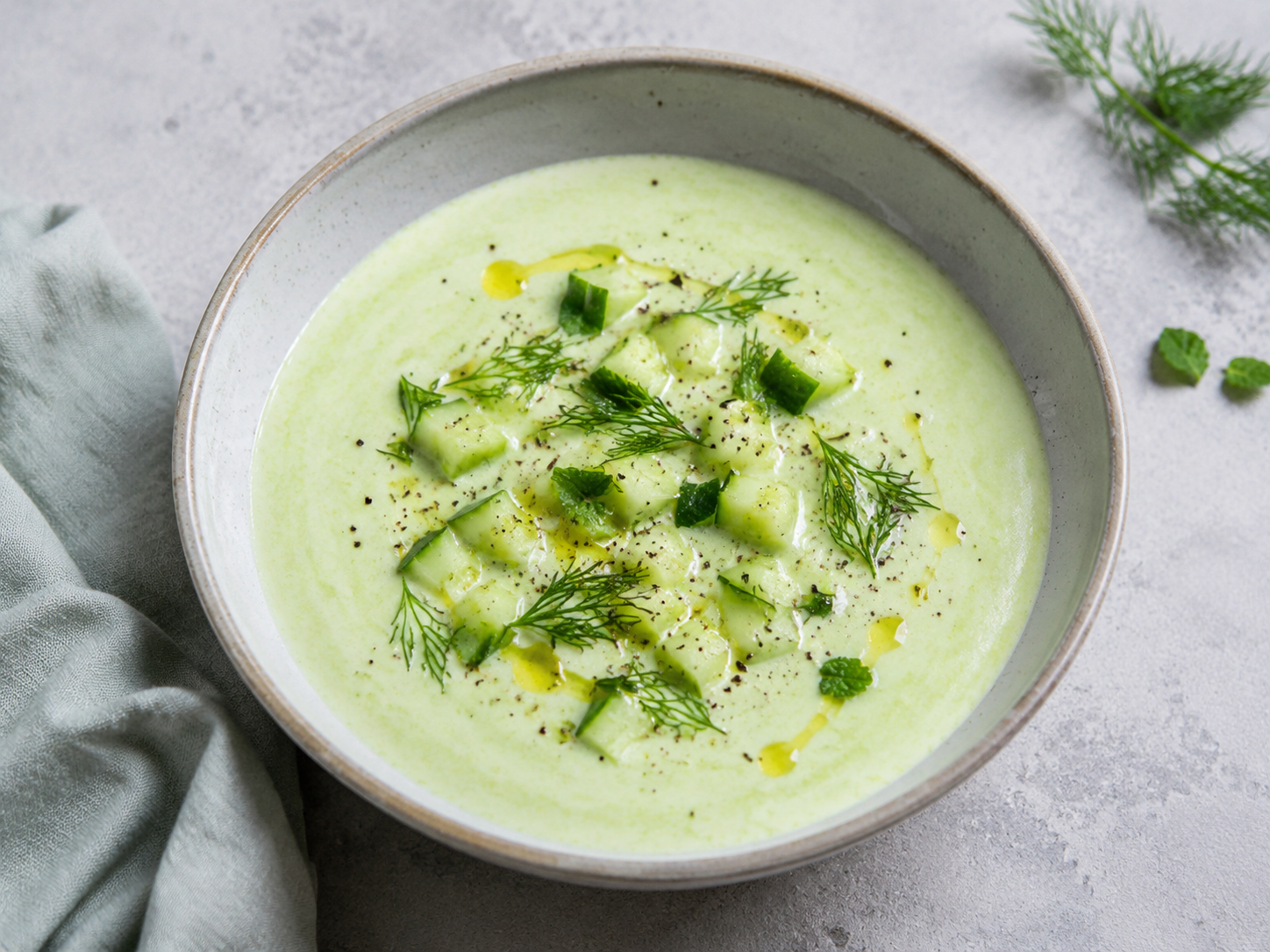
Chilled pale green cucumber yogurt soup topped with diced cucumber, dill, mint and olive oil

Chilled Cucumber Yogurt Soup

A cool blended cucumber soup with Greek yogurt, lemon, dill, mint and a touch of garlic.

  • Yield: 4 servings
  • Prep: 20 min
  • Chill: 2 hr
  • Total Time: 2 hr 20 min

Ingredients

  • 2 large cucumbers, peeled, seeded and chopped
  • 2 cups plain Greek yogurt
  • 1/2 cup cold water
  • 2 tablespoons fresh lemon juice
  • 1 small garlic clove, chopped
  • 1/4 cup chopped fresh dill, plus more for serving
  • 2 tablespoons chopped fresh mint, plus more for serving
  • 1 tablespoon extra-virgin olive oil, plus more for serving
  • 1/2 teaspoon kosher salt
  • 1/4 teaspoon black pepper
  • 1/4 cup finely diced cucumber for topping

Instructions

  1. Add the chopped cucumbers, yogurt, cold water, lemon juice, garlic, dill, mint, olive oil, salt and black pepper to a blender.
  2. Blend until smooth, stopping to scrape down the sides as needed.
  3. Taste and adjust the lemon juice or salt. Cover and refrigerate for at least 2 hours.
  4. Stir before serving and divide among chilled bowls. Top with diced cucumber, dill, mint and a light drizzle of olive oil.

Garden kitchen note: Keep refrigerated and use within 2 days. The soup may separate slightly, so stir before serving.

Make-ahead note: Chill the soup for at least two hours so the flavor settles. Keep covered and refrigerated, stir before serving and use within two days.

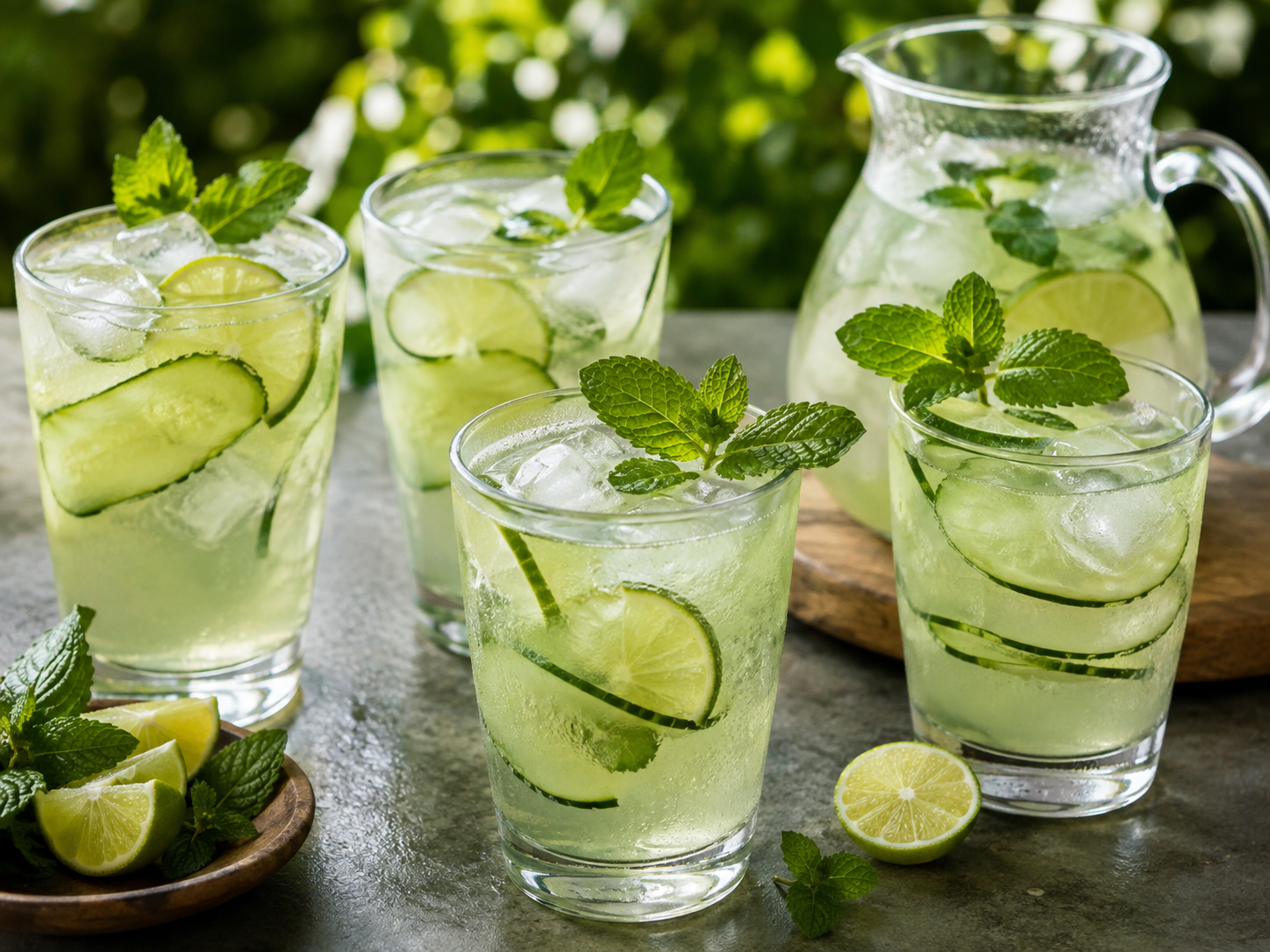
Four glasses of pale green cucumber mint lime cooler with ice, cucumber ribbons and lime wedges

Cucumber Mint Lime Cooler

A refreshing cucumber drink blended with fresh lime, mint, honey and cold water.

  • Yield: 4 servings
  • Prep: 15 min
  • Blend: 5 min
  • Total Time: 20 min

Ingredients

  • 1 large cucumber, peeled and chopped
  • 1/4 cup fresh lime juice
  • 2 tablespoons honey
  • 12 fresh mint leaves, plus more for serving
  • 3 cups cold water
  • 1 cup ice
  • 4 thin cucumber ribbons or slices for serving
  • 4 lime wedges for serving

Instructions

  1. Add the chopped cucumber, lime juice, honey, mint and 1 cup cold water to a blender. Blend until completely smooth.
  2. Strain through a fine-mesh sieve into a pitcher, pressing gently on the solids.
  3. Stir in the remaining cold water and ice. Taste and add a little more honey or lime juice if needed.
  4. Pour into four glasses and garnish with cucumber, lime wedges and fresh mint.

Garden kitchen note: Serve immediately for the freshest flavor, or refrigerate without ice for up to 24 hours and stir before serving.


Georgia Cucumber Growing Calendar


Common Cucumber Pests and Diseases in Georgia

UGA lists cucumber beetles, aphids, mites, pickleworms, bacterial wilt, anthracnose, powdery mildew, downy mildew and angular leaf spot among potential cucumber problems. Scout early and often rather than treating on a fixed schedule.

Cucumber Beetles

These beetles chew seedlings, leaves and flowers and are especially important because they can transmit bacterial wilt. Protect young plants where practical, monitor from emergence onward and use controls labeled for cucumbers only when needed. Any row cover must come off when flowers need pollinator access.

Pickleworms

Pickleworm caterpillars can damage cucumber flowers and bore into fruit. Inspect blooms and fruit for feeding, holes and frass, remove infested fruit and consult current UGA recommendations when pressure becomes significant.

Powdery and Downy Mildew

Georgia's humid conditions can favor cucumber diseases. Resistant cultivars, good spacing, crop rotation and watering practices that minimize prolonged leaf wetness are important cultural defenses.

Aphids and Mites

Inspect leaf undersides for colonies, stippling or distortion. Conserve beneficial insects and avoid unnecessary broad-spectrum insecticides, especially while cucumbers are flowering.

Pollinator reminder: UGA specifically warns against applying insecticides while bees are working cucumber flowers. Always identify the problem first and follow the current product label and Georgia recommendations.


Keep Exploring Georgia Summer Vegetables

Continue with squash, okra, peppers, tomatoes and the complete Vegetable Gardening in Georgia guide.

Georgia Cucumber Gardening Resources

For current variety, planting, pollination and pest-management recommendations, consult UGA Cooperative Extension's Growing Cucumbers in the Home Garden and your county Extension office.

Back to Vegetable Gardening in Georgia  |  Georgia Gardening Guide


Keep Exploring GA Garden

Georgia Planting Calendar · Companion Planting · Georgia Vegetable Guides · Harvesting Guides · Three Sisters & Companion Growing · Georgia Growing Guides · Seasonal Produce