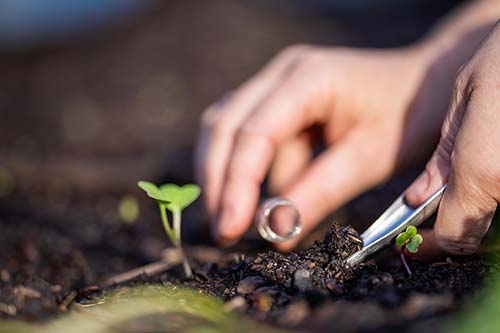
Step 1: Test Your Soil pH and Nutrients
Soil pH and nutrient levels determine how well plants absorb essential elements like nitrogen, phosphorus, and potassium. Testing your soil helps you make informed decisions about fertilizers and amendments.
How to Test Your Soil
- ✔ Home Test Kits: Available at garden centers for quick pH readings.
- ✔ Lab Testing: For a detailed analysis, send a sample to your local University of Georgia Extension office. These tests provide recommendations for correcting imbalances.
- ✔ DIY Observation: Look for clues—yellowing leaves may indicate nutrient deficiencies, while moss growth often signals acidic soil.
Interpreting pH Results
- Acidic Soil (pH below 6.0): Common in Georgia’s clay soils. Add lime to raise pH.
- Neutral to Slightly Acidic (pH 6.0-7.0): Ideal for most vegetables and flowers.
- Alkaline Soil (pH above 7.0): Less common but may occur in sandy areas. Add sulfur or organic matter to lower pH.
Step 2: Boost Soil Health with Organic Matter
Once you’ve tested your soil, it’s time to improve its structure and fertility. Adding organic matter enhances moisture retention, aeration, and microbial activity.
Best Organic Amendments for Georgia Gardens
- ✔ Compost: The gold standard for enriching soil. Use kitchen scraps, grass clippings, and leaves to create nutrient-rich compost.
- ✔ Aged Manure: Chicken, cow, or horse manure boosts nitrogen but should be well-composted before use.
- ✔ Worm Castings: A natural fertilizer that improves soil texture and plant health.
- ✔ Cover Crops: Legumes and clover add organic material and improve nitrogen levels when tilled into the soil.
Step 3: Improve Drainage and Soil Structure
Georgia’s red clay can be dense, while sandy soils drain too quickly. Amendments help balance these extremes.
- For Clay Soil: Mix in compost, gypsum, or perlite to improve aeration. Avoid excessive tilling, which can compact the soil further.
- For Sandy Soil: Add compost, peat moss, or coconut coir to retain moisture and nutrients.
Step 4: Mulch for Long-Term Soil Health
A layer of organic mulch protects soil from erosion, suppresses weeds, and regulates temperature. Use:
- ✔ Pine straw or shredded leaves for acid-loving plants like blueberries and azaleas.
- ✔ Wood chips or bark for pathways and perennial beds.
- ✔ Straw or grass clippings for vegetable gardens.
Get Ready for Spring Success!
By testing and enriching your soil now, you’ll create the perfect environment for strong, productive plants. Whether you’re growing vegetables, flowers, or shrubs, investing in your soil will lead to a healthier, more vibrant Georgia garden all season long.