Growing Kale in Georgia

Kale is one of Georgia's most useful cool-season vegetables because gardeners can harvest individual leaves repeatedly instead of waiting for one head or fruit. It belongs in the spring garden, but fall and early winter are where kale can really shine.

Georgia Kale Quick Facts

Why Kale Fits Georgia's Fall and Winter Garden

Georgia's relatively mild winters make leafy greens especially valuable. Kale handles cool weather far better than summer heat, and UGA Extension includes it among vegetables suited to winter production. That makes late summer garden planning important: the winter garden starts while Georgia still feels like summer.

Best Kale Varieties for Georgia

UGA planting resources list Vates, Dwarf Siberian, Blue Armor and Blue Knight. The original GA Garden page also discussed curly and flat-leaf types. Trying more than one leaf texture can make the harvest more useful in both raw and cooked dishes.

How to Grow Kale in Georgia

Georgia Companion Gardening with Kale

Kale shares the Brassica family with cabbage, broccoli, cauliflower and collards. That family relationship matters more than many companion-planting myths: grouping every Brassica together every season can concentrate the same pests and complicate rotation. Use nearby flowering plants to increase garden diversity where space permits, but do not sacrifice sunlight or airflow.

Does Frost Make Kale Taste Better?

Many gardeners prefer kale grown in cool weather, when leaves can taste milder and sweeter than heat-stressed summer foliage. The practical Georgia lesson is simple: don't assume the vegetable garden ends when warm-season crops finish. Kale can extend useful harvests deep into the cool season.

Harvesting Kale for Continuous Production

Pick healthy outer leaves once they reach useful size and leave smaller inner leaves to continue growing. Frequent harvesting can keep the plant productive. If leaves become tough or strongly flavored during hot weather, treat that as a seasonal signal rather than a failure.

Common Kale Pests in Georgia

Aphids and caterpillars that attack other cole crops can also find kale. Inspect leaves frequently, especially their undersides. Early detection makes hand removal, exclusion and other low-impact controls much more practical.

Georgia Vegetables Growing Guides Seasonal Produce Pest & Disease Help

Kale Recipes

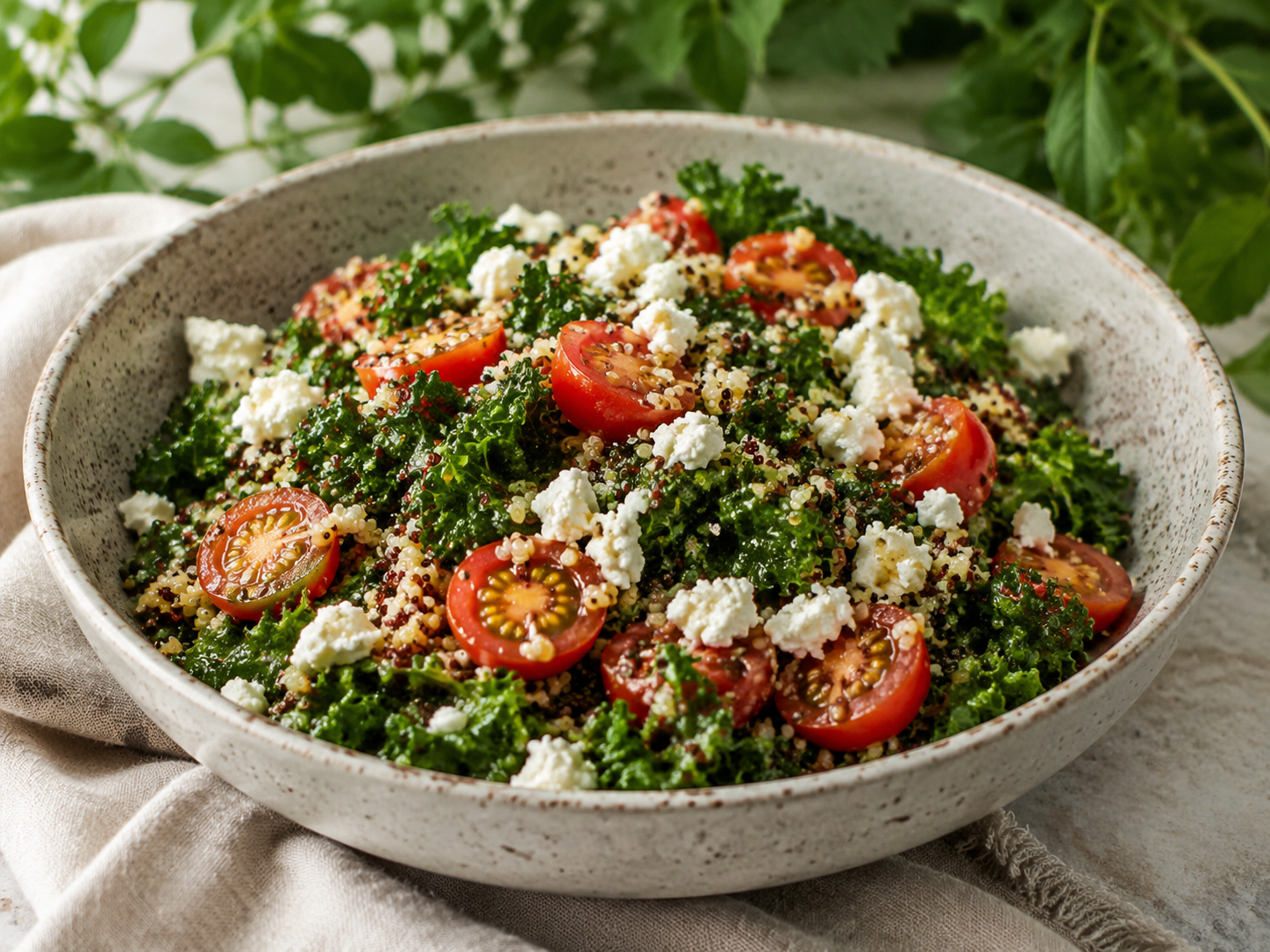
Kale and quinoa salad with fresh vegetables

Kale and Quinoa Salad

Chopped kale and quinoa tossed with tomatoes, feta and a simple olive-oil dressing.
  • Yield: 6 servings
  • Prep: 15 min
  • Mix: 5 min
  • Total Time: 20 min

Ingredients

  • 1 bunch of kale, stems removed and chopped
  • 1 cup cooked quinoa
  • 1/2 cup cherry tomatoes, halved
  • 1/4 cup feta cheese, crumbled
  • 2 tablespoons olive oil
  • 1 tablespoon balsamic vinegar
  • Salt and pepper to taste

Instructions

  1. Massage kale with olive oil to soften.
  2. Toss kale with quinoa, tomatoes, and feta.
  3. Drizzle with balsamic vinegar, season with salt and pepper, and toss to combine.
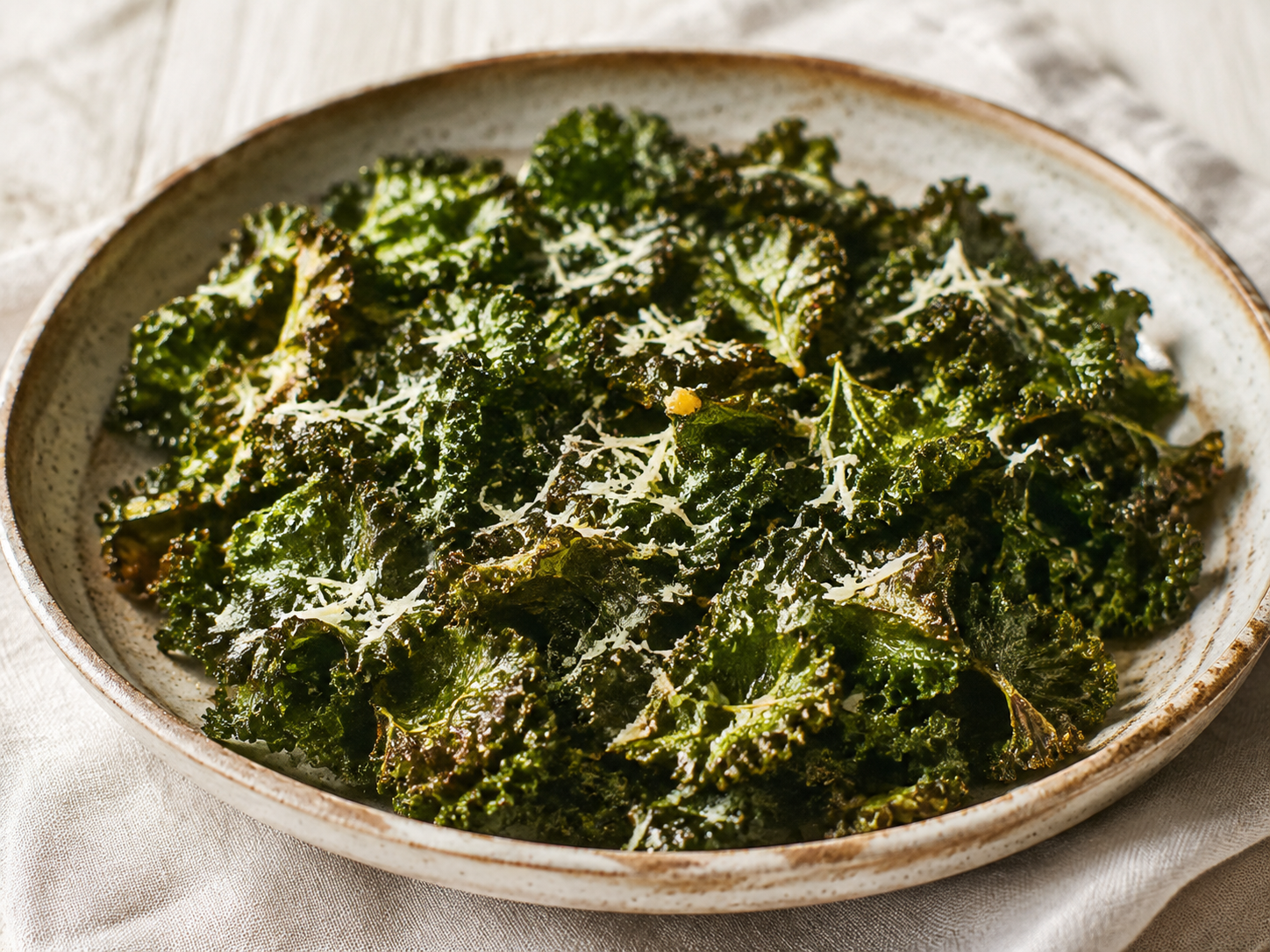
Roasted kale with garlic and grated Parmesan

Garlic and Parmesan Roasted Kale

Roasted kale finished with minced garlic and a savory dusting of Parmesan.
  • Yield: 4 servings
  • Prep: 10 min
  • Roast: 15 min
  • Total Time: 25 min

Ingredients

  • 1 bunch of kale, stems removed and torn into pieces
  • 2 tablespoons olive oil
  • 3 cloves garlic, minced
  • 1/4 cup grated Parmesan cheese
  • Salt and pepper to taste

Instructions

  1. Preheat oven to 375°F (190°C).
  2. Toss kale with olive oil, garlic, and Parmesan.
  3. Spread on a baking sheet, sprinkle with salt and pepper.
  4. Roast for 10-15 minutes until crispy.
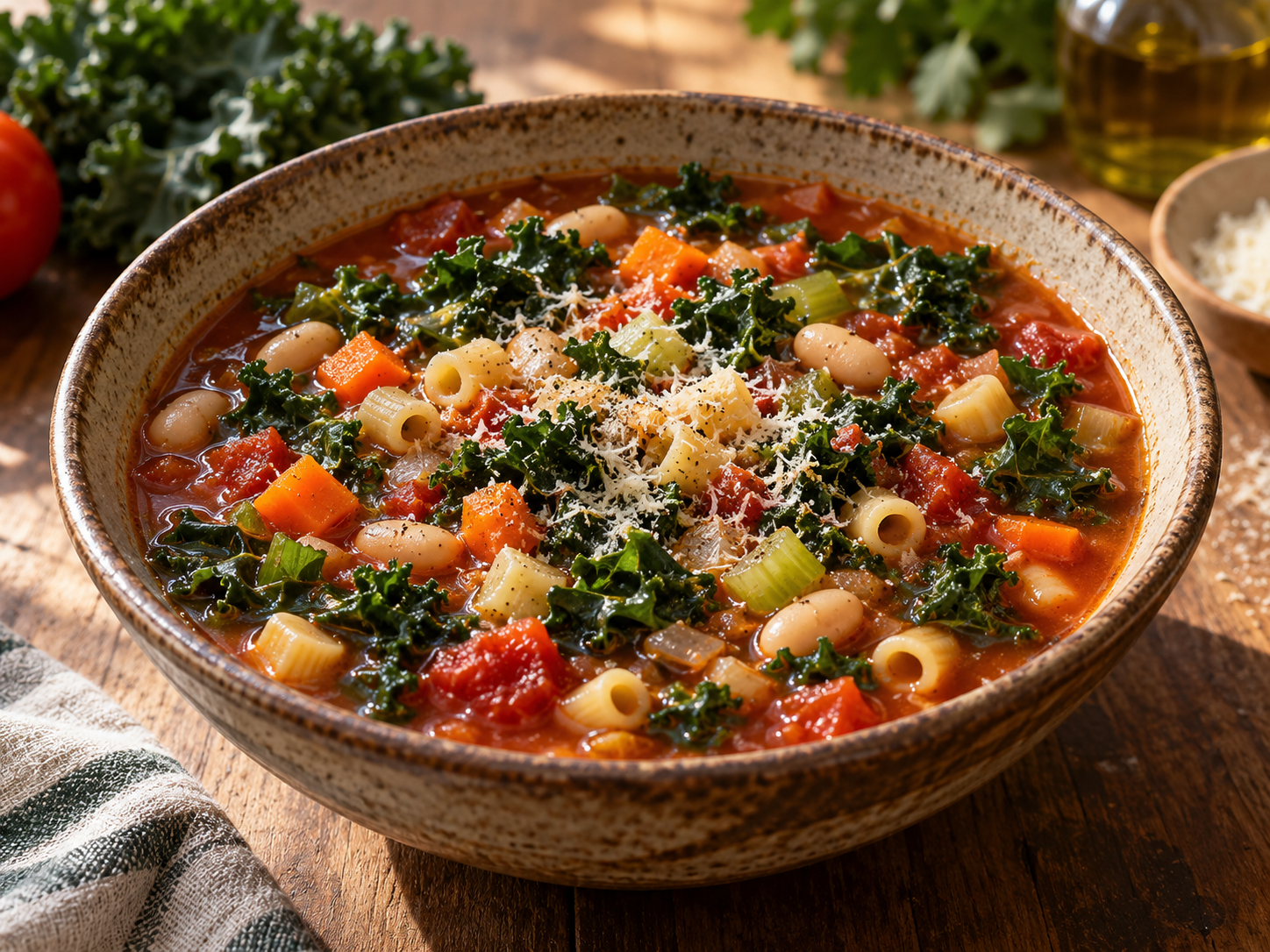
Tomato-based kale and white bean minestrone with vegetables, small pasta and Parmesan

Kale and White Bean Minestrone

This tomato-rich minestrone combines chopped kale, cannellini beans, vegetables and small pasta in a hearty broth.

  • Yield: 6 servings
  • Prep: 20 min
  • Simmer: 22 min
  • Total Time: 42 min

Ingredients

  • 2 tablespoons olive oil
  • 1 medium yellow onion, chopped
  • 2 carrots, diced
  • 2 celery stalks, diced
  • 3 garlic cloves, minced
  • 2 tablespoons tomato paste
  • 1 teaspoon dried Italian seasoning
  • 1 can (14.5 ounces) diced tomatoes
  • 6 cups low-sodium vegetable broth
  • 1 can (15 ounces) cannellini beans, drained and rinsed
  • 3/4 cup small pasta such as ditalini
  • 5 cups chopped kale, tough stems removed
  • 3/4 teaspoon kosher salt
  • 1/4 teaspoon black pepper
  • 1/3 cup grated Parmesan cheese, for serving

Instructions

  1. Heat the olive oil in a Dutch oven over medium heat. Add the onion, carrots and celery and cook for 7 minutes until softened.
  2. Add the garlic, tomato paste and Italian seasoning and cook for 1 minute.
  3. Stir in the diced tomatoes, broth, beans, salt and pepper. Bring to a boil.
  4. Add the pasta, reduce to a lively simmer and cook for 6 minutes, stirring occasionally.
  5. Add the kale and continue simmering for 6 to 8 minutes, until the pasta is tender and the kale has softened.
  6. Adjust the seasoning and serve with grated Parmesan.

Garden note: This tomato-and-pasta minestrone is intentionally distinct from the lighter Swiss chard and white bean soup. Add a splash of broth when reheating because the pasta continues to absorb liquid.
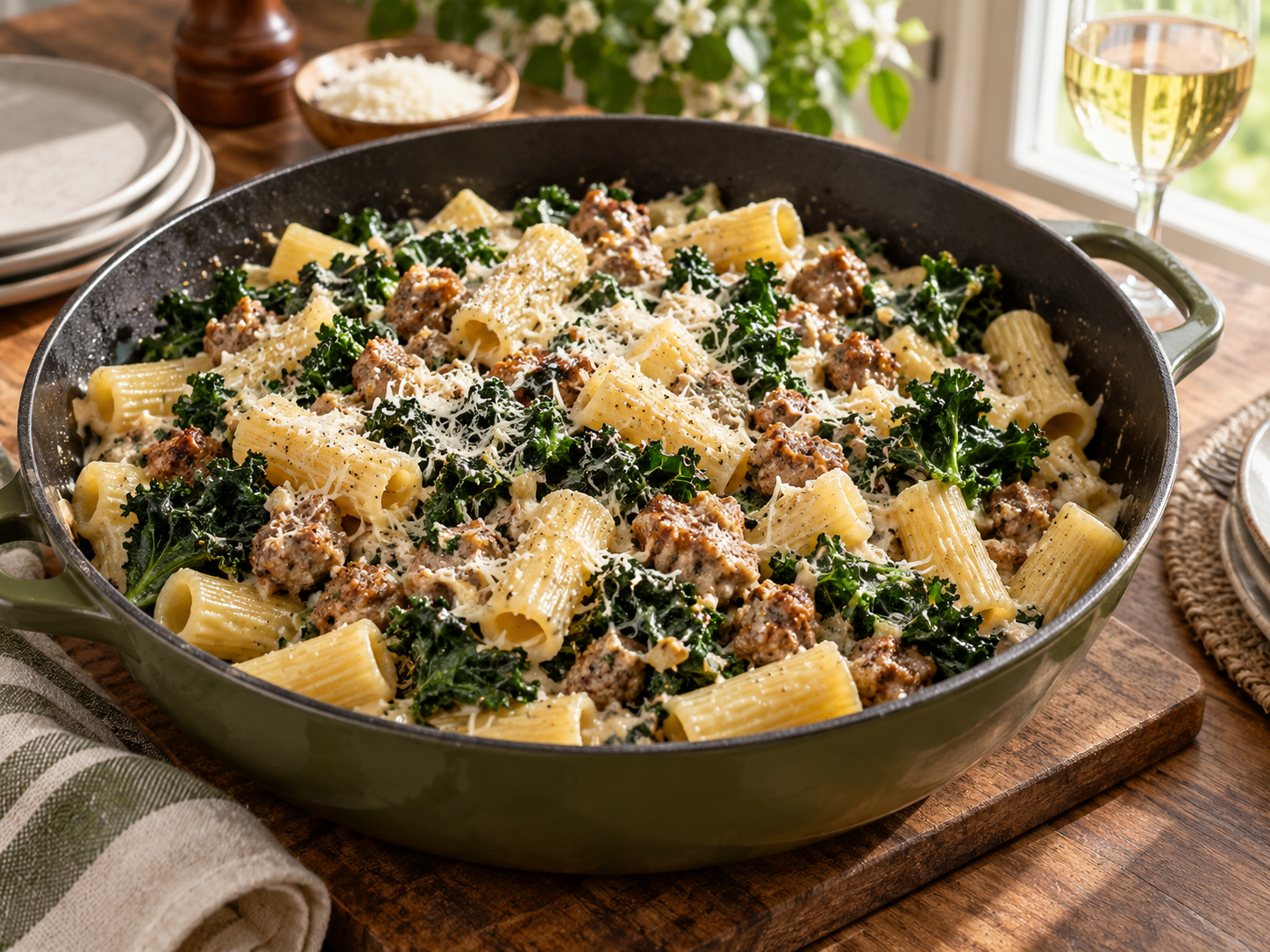
Rigatoni pasta with browned Italian sausage, tender kale and grated Parmesan in a skillet

Kale and Sausage Skillet Pasta

Browned Italian sausage and ribbons of kale coat short pasta in a savory garlic-Parmesan skillet sauce.

  • Yield: 6 servings
  • Prep: 20 min
  • Cook: 16 min
  • Total Time: 36 min

Ingredients

  • 12 ounces rigatoni or other short pasta
  • 1 tablespoon olive oil
  • 1 pound mild Italian sausage, casings removed
  • 1 small yellow onion, chopped
  • 3 garlic cloves, minced
  • 1/4 teaspoon crushed red pepper flakes
  • 6 cups chopped kale, tough stems removed
  • 1 cup low-sodium chicken broth
  • 1/2 cup heavy cream
  • 3/4 cup finely grated Parmesan cheese, divided
  • 1 tablespoon fresh lemon juice
  • 1/2 teaspoon kosher salt, plus more for pasta water

Instructions

  1. Bring a pot of salted water to a boil. Cook the pasta until just shy of al dente. Reserve 1 cup pasta water, then drain.
  2. Heat the olive oil in a large deep skillet over medium-high heat. Add the sausage and cook, breaking it into bite-size pieces, for 6 to 8 minutes until browned.
  3. Add the onion and cook for 4 minutes. Stir in the garlic and red pepper flakes and cook for 30 seconds.
  4. Add the kale and chicken broth. Cover and cook for 4 minutes, then uncover and stir until the kale is tender.
  5. Add the drained pasta, cream and 1/2 cup Parmesan. Toss over medium-low heat, adding reserved pasta water a little at a time until the sauce coats the pasta.
  6. Stir in the lemon juice and salt. Serve with the remaining Parmesan.

Garden note: Strip away thick kale stems before chopping. The recipe works especially well with Tuscan or young curly kale harvested before the leaves become tough.


Kale is a cool-season vegetable that thrives in cooler temperatures and can be grown in Georgia during both the spring and fall seasons. Here's a detailed guide, broken down by months:
Spring Planting (March - May)
Summer Considerations (June - August)
Fall Planting (September - November)
It's essential to note that specific varieties of kale may have different temperature tolerances, so it's a good idea to choose varieties that are well-suited to the conditions in your region of Georgia. Additionally, practicing succession planting can help you maintain a continuous supply of fresh kale throughout the growing season. Adjust the planting schedule based on local climate conditions and the specific needs of the kale varieties you choose.

What are some common pests for kale?
Kale, like other leafy greens, can face various pests that may impact its growth and overall health. Here are some common pests for kale, along with descriptions, the damage they cause, and control measures:
Aphids (Various species)
Cabbage Worms (Pieris rapae)
Diamondback Moth (Plutella xylostella)
Flea Beetles (Phyllotreta spp.)
Slugs and Snails
Whiteflies (Various species)
Integrated pest management (IPM) practices, including regular monitoring, early detection, and a combination of cultural, biological, and chemical controls, can help manage pest problems in kale effectively. Always follow recommended guidelines for the specific pest control methods you choose.

Keep Exploring Georgia's Cool-Season Garden

Compare cabbage, kale, broccoli, collards and more in our Georgia vegetable guide. For timing across the year, visit Seasonal Produce.

Georgia gardening note: planting dates are statewide guidelines. Adjust for your local frost dates, elevation and current weather, and use your county UGA Extension office for local recommendations.


Keep Exploring GA Garden

Georgia Planting Calendar · Companion Planting · Fall Gardening in Georgia · Spring Gardening in Georgia · Georgia First Frost Dates · Georgia Last Frost Dates · Harvesting Guides