Chive Recipes
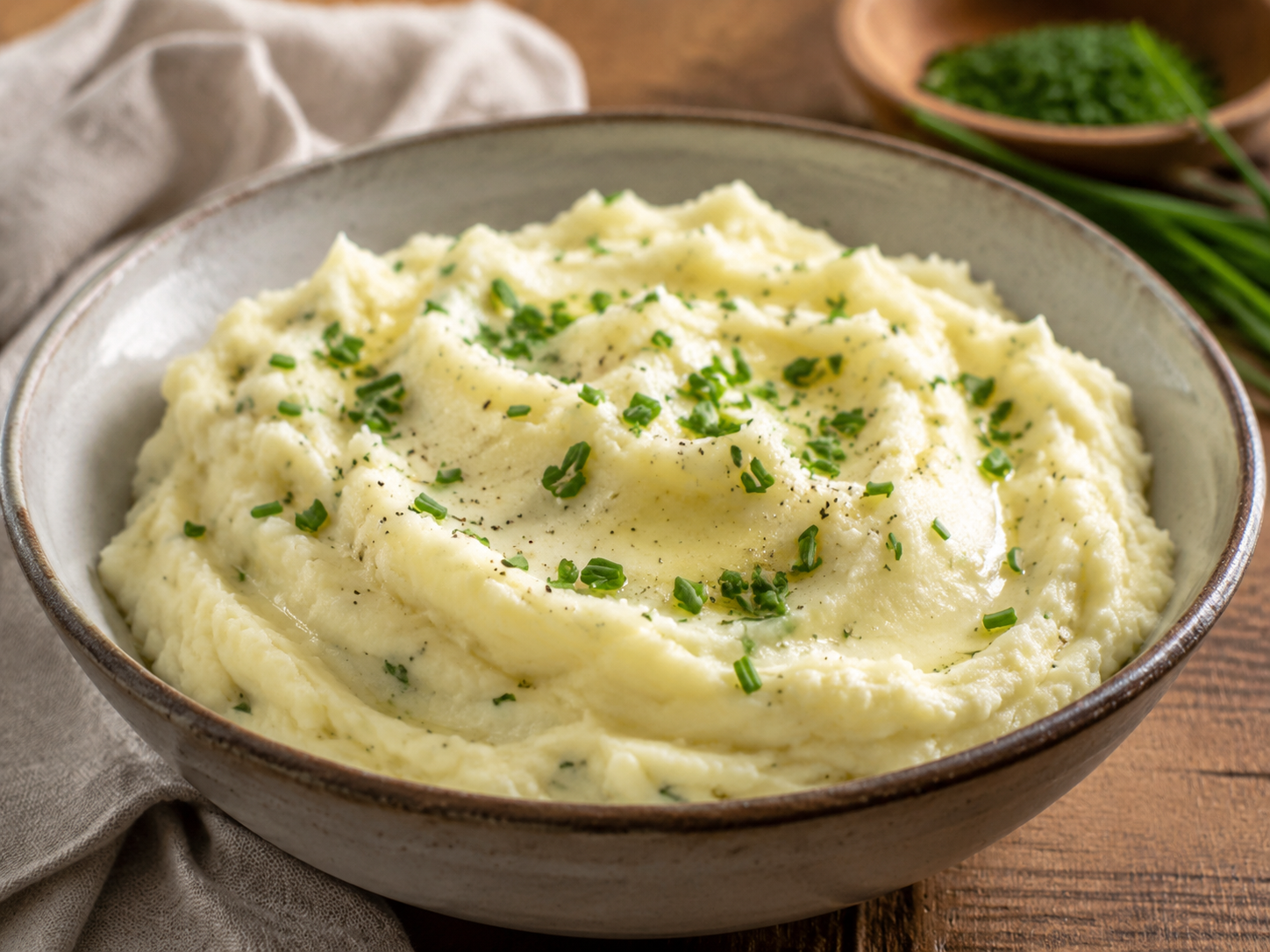
Creamy Chive & Garlic Mashed Potatoes
Buttery mashed potatoes seasoned generously with fresh chives and garlic.
Ingredients
- 4 large potatoes, peeled and cubed
- 1/2 cup butter
- 1/2 cup milk
- Salt and pepper to taste
- 1/2 cup fresh chives, finely chopped
- 2 cloves garlic, minced
Instructions
- Boil the potatoes in salted water until fork-tender.
- In a small saucepan, melt butter over low heat. Add minced garlic and sauté until fragrant.
- Drain the potatoes and mash them. Add the melted garlic butter, milk, salt, and pepper. Mash until smooth and creamy.
- Stir in fresh chives, reserving some for garnish.
- Adjust seasoning if needed and garnish with additional chopped chives.
- Serve these creamy chive and garlic mashed potatoes as a delightful side dish.

Chive and Goat Cheese Omelette
A tender omelette filled with fresh chives and creamy goat cheese.
Ingredients
- 3 large eggs
- Salt and pepper to taste
- 2 tablespoons butter
- 2 tablespoons fresh chives, finely chopped
- 1/4 cup crumbled goat cheese
Instructions
- Crack the eggs into a bowl, season with salt and pepper, and beat until well combined.
- Heat butter in a non-stick skillet over medium heat until melted.
- Pour the beaten eggs into the skillet, swirling to ensure even distribution.
- As the edges set, lift them with a spatula to let the uncooked eggs flow underneath.
- Sprinkle chopped chives and crumbled goat cheese over one half of the omelette.
- Once the eggs are mostly set but still slightly runny on top, fold the omelette in half using the spatula.
- Cook for an additional minute until the cheese melts and the omelette is cooked through.
- Slide the omelette onto a plate, garnish with additional chives, and serve hot.