Growing Beans in Georgia
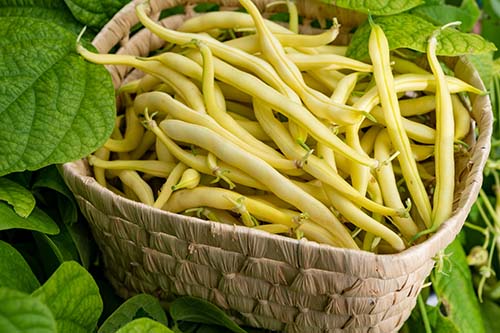
Beans are one of Georgia's most useful warm-season garden crops. Bush beans give gardeners a compact, relatively quick harvest; pole beans trade extra support and time for a longer picking season; half-runners fall between the two; and lima beans—often called butterbeans in the South—bring another classic Southern crop into the garden.
Georgia Bean Quick Facts
- Green beans are warm-season crops and can be planted after spring frost danger has passed.
- UGA says green beans grow best around 65–85°F; temperatures above about 85°F can cause flower drop and slow production.
- Bush beans mature faster and need no trellis; pole beans vine and require strong support.
- Georgia gardeners can make spring and fall plantings.
- Frequent picking encourages continued production and keeps snap beans tender.
- Pole beans are one of the three crops in the traditional corn-beans-squash “Three Sisters” system.
Bush Beans vs. Pole Beans vs. Half-Runners
Bush Beans
Bush beans stay compact and need no external support, making them a strong choice for raised beds and smaller gardens. UGA lists Blue Lake 274, Gina, Kentucky Wonder, Roma II and Bronco among bush-bean cultivars.
Pole Beans
Pole beans grow as vines and can reach 6 feet or more. They need a sturdy trellis, stakes or another support system. UGA lists Blue Lake, Kentucky Wonder, Dade and Kentucky Blue among pole-bean choices. Pole beans take longer to mature than bush beans but can continue producing over a longer period when harvested regularly.
Half-Runner Beans
Half-runners combine characteristics of bush and pole beans. UGA lists Mountaineer, Volunteer and White. They can be grown without support, but they spread more than true bush beans and need additional room.
What About Lima Beans and Butterbeans?
UGA notes that lima beans—commonly called butterbeans in the South—can be grown at roughly the same warm-season time as snap beans. Georgia planting charts also include both bush lima and pole lima types. Together, bush and pole lima types give Georgia gardeners useful choices beyond green snap beans.
When to Plant Beans in Georgia
UGA's statewide home-garden chart gives April 1–May 1 as a useful spring window for bush beans and pole beans, with regional and chart-version differences of a couple of weeks. Fall bush beans can generally be planted from about mid-July into August, while pole beans need slightly more time and are normally planted a little earlier for fall.
Because Georgia stretches across several climate zones, use those dates as a statewide baseline and adjust for your local last spring frost and first fall frost.
How to Grow Beans in Georgia
- Direct-sow: UGA recommends sowing green beans directly in the garden rather than starting them as transplants.
- Wait for warm soil: Soil should be at least about 55°F for good germination.
- Use full sun: Aim for six to eight hours or more of sunlight.
- Prepare good soil: Beans perform best in well-prepared, organically amended, well-drained soil.
- Don't overdo nitrogen: Beans are legumes and form relationships with nitrogen-fixing bacteria, but that does not mean a garden never needs fertility management. Use a soil test rather than assuming “no fertilizer.”
- Keep moisture steady: Water is particularly important during flowering and pod development. Water at soil level when practical to reduce prolonged leaf wetness.
- Plant successions: UGA's garden calendar recommends a second snap-bean planting about two to three weeks after the first to extend harvest.
How to Trellis Pole Beans
UGA suggests several practical systems: individual 6- to 7-foot stakes, posts with a 5- to 6-foot overhead wire and strings running down to the plants, or a bean “teepee” using a central 7- to 8-foot pole when space is limited.
Place tall pole beans where they will not shade shorter vegetables. UGA's Georgia garden calendar recommends putting tall crops such as pole beans, okra and corn on the north side of the garden.
Georgia Companion Gardening with Beans
New cornerstone guide: How to Grow a Three Sisters Garden in Georgia explains how pole beans fit with corn and squash, including planting sequence, nitrogen context and Georgia garden layout.
Beans give us another strong evidence-based companion story because they are part of the traditional Three Sisters system with corn and squash. UGA educational material explains that corn provides climbing structure, beans occupy the vertical space around the corn, and squash shades the soil below.
- Corn + pole beans + squash: This traditional intercropping system uses different growth habits to occupy vertical and ground-level space.
- Use the north side: Outside a Three Sisters planting, tall pole-bean trellises belong toward the north side so they do not shade shorter crops.
- Think rotation: Avoid repeatedly planting beans in exactly the same location when disease problems have occurred.
- Keep airflow: Georgia humidity makes dense, tangled plantings a poor tradeoff even when two plants are commonly described as “companions.”
Important nitrogen note: Beans do participate in biological nitrogen fixation, but a living bean plant is not an instant fertilizer dispenser for neighboring corn or squash. Much of the nitrogen benefit becomes part of longer-term soil and residue cycling. The Three Sisters guide explains that distinction in greater depth.
When and How to Harvest Green Beans
Harvest snap beans while pods are still immature, tender and crisp, before the seeds inside become fully developed. Bush beans commonly mature in about 50–60 days; pole beans generally take longer.
Once production starts, check plants frequently. Continued harvesting encourages plants to keep setting pods, and younger pods generally provide better eating quality.