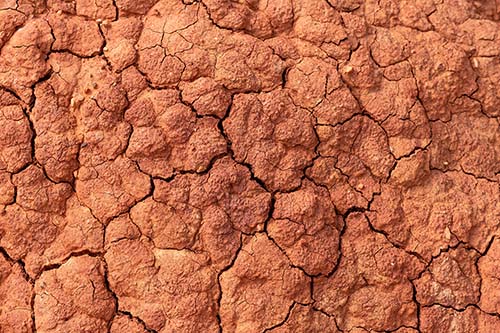
Skipping the Soil Prep Party
Mistake: Rushing into planting without giving your soil the TLC it deserves.
Fix:
- Clean Up First: Remove winter debris, leftover roots, and persistent weeds to prevent disease and pests from taking hold.
- Test & Amend: Georgia’s diverse soils—whether heavy clay in the north or sandy loam in the south—need a proper pH balance. A soil test can tell you what nutrients to add. Compost, aged manure, and organic fertilizers can transform your garden bed into a nutrient-rich haven for tomatoes, peppers, and leafy greens.
Timing Troubles: Planting Too Early or Too Late
Mistake: Misjudging the window for planting cool-season versus warm-season crops.
Fix:
- Know Your Frost Dates: In many parts of Georgia, the risk of frost lingers until mid-March. Plant cool-weather crops like lettuce, spinach, carrots, and broccoli early—but hold off on warm-weather favorites until after the last frost.
- Plan for Indoor Starts: Start tomatoes, peppers, and eggplants indoors in early March, then transplant them when the weather consistently warms. This gives your crops a head start without risking cold damage.
Overwatering vs. Underwatering Woes
Mistake: Guessing the watering schedule instead of tailoring it to your garden’s needs.
Fix:
- Deep, Infrequent Watering: Georgia’s spring can be unpredictable—heavy rains one week and dry spells the next. Water deeply in the early morning to ensure roots get the moisture they need without encouraging disease.
- Monitor Soil Moisture: Use a moisture meter or simply check the soil with your finger. Overwatering can lead to root rot, while underwatering stresses your plants and stunts growth.
Crowding Out Your Crops
Mistake: Planting too closely, leading to competition for sunlight, water, and nutrients.
Fix:
- Follow Spacing Guidelines: Whether you’re growing sprawling cucumbers or compact berry plants, proper spacing is essential. This reduces the risk of fungal diseases and makes it easier for air to circulate around each plant.
- Use Raised Beds or Containers: For gardeners with limited space or heavy soils, raised beds and container gardens can help manage spacing while improving drainage and overall plant health.
Ignoring Pest and Disease Prevention
Mistake: Waiting for pests like aphids, whiteflies, and fungal spores to attack before taking action.
Fix:
- Stay Proactive: Regularly inspect your plants for early signs of infestation or disease.
- Natural Defenses: Use organic pesticides such as neem oil or insecticidal soap, and consider companion planting—basil with tomatoes or onions with carrots—to naturally repel pests.
- Rotate Crops: Avoid planting the same family of vegetables in the same spot year after year. This reduces the buildup of pests and diseases in the soil.
Overlooking the Power of Mulch
Mistake: Neglecting to use mulch, which can help regulate soil temperature and moisture.
Fix:
- Apply a Layer of Mulch: Use materials like pine straw (a Georgia favorite), wood chips, or compost to insulate your soil. Mulch not only retains moisture and suppresses weeds but also adds organic matter to the soil as it decomposes.
Garden Smart, Not Hard
March is a critical month for setting the stage for a spectacular spring harvest in Georgia. By avoiding these common mistakes—skipping soil prep, mistiming planting, mismanaging water, overcrowding your garden, neglecting pest control, and underutilizing mulch—you can ensure that your fruits and vegetables have the best chance to thrive.
With a little preparation and attention to detail, your garden will not only survive the transition from winter to spring, but it will flourish. Embrace these tips and watch your Georgia garden transform into a vibrant, productive paradise.
What common mistakes have you encountered in your garden, and how did you overcome them? Send us your experiences and tips—let’s grow smarter together this spring!