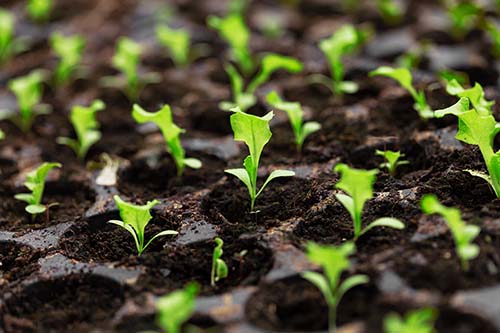
If you’re new to seed starting or looking to improve your process, this guide will walk you through the essentials to help your plants thrive from the start.
Why Start Seeds Indoors?
While Georgia’s climate is favorable for many crops, some plants need extra time to develop before they can withstand outdoor conditions. Starting seeds indoors gives delicate plants like tomatoes and peppers a controlled environment to establish strong roots and healthy growth before moving them outside.
What You’ll Need
Before you begin, gather these essential seed-starting supplies:
- ✔ Seeds – Choose high-quality seeds suited for Georgia’s growing season.
- ✔ Containers – Seed trays, peat pots, or any shallow container with drainage holes.
- ✔ Seed-Starting Mix – A lightweight, well-draining mix designed for germination.
- ✔ Grow Lights or Sunny Windowsill – Provide at least 12-16 hours of light daily.
- ✔ Heat Mat (Optional) – Helps warm-season crops germinate faster.
- ✔ Watering Spray Bottle – Keeps soil moist without overwatering.
Best Crops to Start Indoors
Tomatoes – Garden Staples for Spring
- When to Start: 6-8 weeks before the last expected frost (late January to early February in Georgia).
- Tips: Keep soil warm (70-80°F) for fast germination. Transplant seedlings into larger containers once they develop two sets of leaves.
Peppers – Heat-Loving and Slow to Sprout
- When to Start: 8-10 weeks before the last frost (January-February).
- Tips: Peppers take longer to germinate, so use a heat mat to maintain soil temperature around 75-85°F.
Herbs – Fresh Flavors for the Kitchen
- Best Herbs to Start Indoors: Basil, parsley, oregano, and thyme.
- When to Start: 6-8 weeks before transplanting.
- Tips: Herbs need good air circulation, so avoid overcrowding when planting.
Step-by-Step Seed Starting Process
1. Prepare Your Containers
- Fill seed trays or pots with a moistened seed-starting mix. Avoid garden soil, as it’s too dense for seedlings.
2. Plant Your Seeds
- Follow the depth instructions on the seed packet. Typically, small seeds (like basil) should be lightly covered, while larger seeds (like tomatoes) should be planted ¼-inch deep.
3. Provide Warmth and Light
- Place trays in a warm spot (or on a heat mat) until seeds germinate. Once sprouts emerge, move them under grow lights or near a sunny window for at least 12-16 hours a day.
4. Water and Monitor Growth
- Keep the soil evenly moist but not soggy. A spray bottle or bottom-watering method helps prevent overwatering and fungal issues.
5. Thin and Transplant Seedlings
- Once seedlings develop two sets of true leaves, thin weaker ones to prevent overcrowding. Transplant stronger seedlings into larger pots as they grow.
6. Harden Off Before Transplanting
- A week before planting outdoors, gradually introduce seedlings to outdoor conditions. Start with a few hours outside in a sheltered area, increasing exposure daily.
Get Growing!
By starting seeds indoors now, you’ll have strong, healthy plants ready to thrive in Georgia’s spring weather. With proper care, your tomatoes, peppers, and herbs will be well on their way to a productive growing season. Happy planting!