Lettuce is a Georgia cool-season crop. The goal is to grow it while temperatures are mild enough for tender leaves—before heat causes bitterness, bolting and poor head development.
Georgia Lettuce Quick Facts
Best seasons: spring and fall.
Planting: direct sow or set out young transplants.
Light: full sun in cool weather; afternoon shade can extend quality as days warm.
Heat response: bolting and bitterness increase as temperatures rise.
Strategy: small succession sowings extend harvest.
When to Plant Lettuce in Georgia
Plant early enough in spring to mature before sustained heat and again in late summer or early fall for a cool-weather crop. South Georgia spring timing is earlier and fall planting can continue later; North Georgia spring runs later and fall cold arrives sooner. Middle Georgia sits between those patterns. Use the Georgia planting calendar and local frost dates to refine the window.
Direct Seed or Transplant?
Leaf lettuce is easy to direct sow, while transplants can shorten the wait for romaine and heading types. Sow shallowly into a fine seedbed and keep the surface moist. Set transplants at the same depth they grew in the cell, without burying the crown. Space leaf types for the harvest size you want and give full heads more room according to the variety.
Leaf, Romaine, Butterhead or Crisphead?
Leaf lettuces are often easiest because gardeners can harvest before a full head forms. Romaine and butterhead types also fit Georgia's cool windows. Crisphead types generally demand a longer period of favorable cool weather and can be less forgiving when temperatures rise quickly.
Soil, Sun and Water
Lettuce has a shallow root system, so use loose, fertile, well-drained soil that holds steady moisture without staying soggy. Incorporate finished compost into Georgia clay and use a soil test before adding lime or fertilizer. Full sun supports compact growth in cool weather; limited afternoon shade can help as spring warms, especially in South and Middle Georgia.
Water often enough to keep the root zone evenly moist. Drip irrigation or watering near the soil reduces long periods of wet foliage. Mulch lightly after plants establish, but keep mulch away from the crown.
Succession Planting for More Salads
Instead of sowing the entire packet at once, plant small sections every one to two weeks during suitable weather. Stop when the next planting is unlikely to mature before heat or hard freezes; succession planting cannot overcome the wrong season.
Growing Lettuce in Containers
Leaf lettuce is well suited to window boxes and containers with drainage holes. Use a clean potting mix rather than heavy garden clay, choose a container deep enough for the shallow roots, and check moisture frequently. A movable container can receive morning sun and afternoon shade as Georgia weather warms.
Georgia Companion Planting with Lettuce
Lettuce's shallow roots and compact size make it useful near radishes, carrots, onions and herbs when spacing is adequate. Taller crops may provide limited afternoon shade, but avoid dense, damp canopies that restrict airflow. The companion planting guide emphasizes shared growing needs rather than unsupported pest-control promises.
Harvesting and Storing Lettuce
Pick outer leaves, cut baby-leaf plantings or harvest mature heads depending on the type. Harvest in the cool morning, rinse away grit, dry the leaves thoroughly and refrigerate promptly in a container or bag with a clean towel to manage excess moisture. Once a plant sends up a flower stalk, quality usually declines.
Georgia Lettuce Problems
Aphids, slugs, caterpillars, leaf diseases and heat stress can occur. Maintain airflow, avoid working wet plants and use irrigation that does not keep leaves wet overnight. Bolting during a warm spell is a seasonal response, not necessarily a gardening failure. For unusual damage, use GA Garden's pest and disease guide to begin identification.
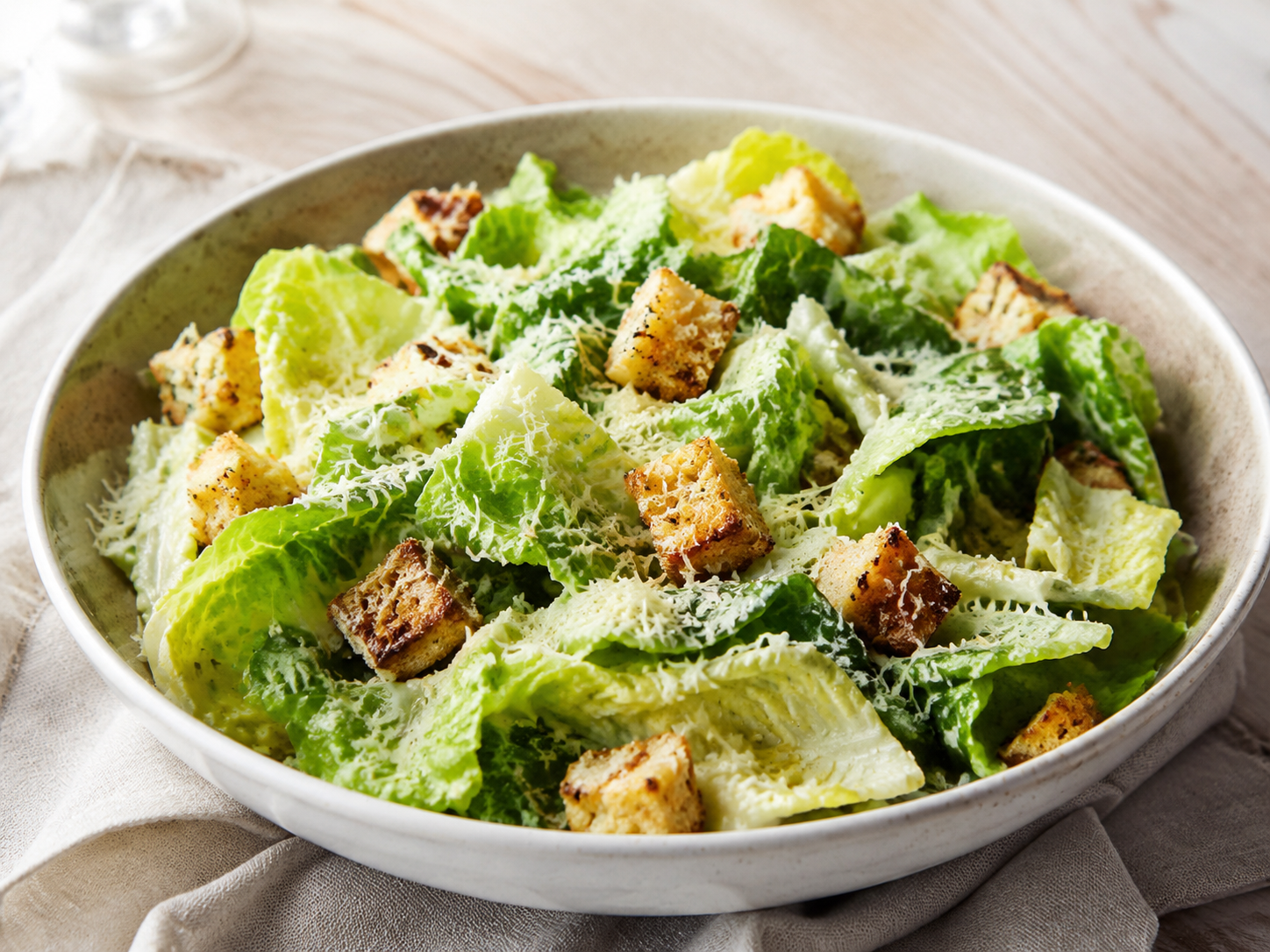
Crisp romaine, croutons and Parmesan tossed with classic Caesar dressing.
Yield: 4 servings
Prep: 10 min
Mix: 5 min
Total Time: 15 min
Ingredients
Romaine lettuce, torn
1/2 cup croutons
1/4 cup grated Parmesan cheese
Caesar dressing
Instructions
In a large bowl, combine torn Romaine lettuce, croutons, and Parmesan cheese.
Drizzle with Caesar dressing, toss well, and serve.
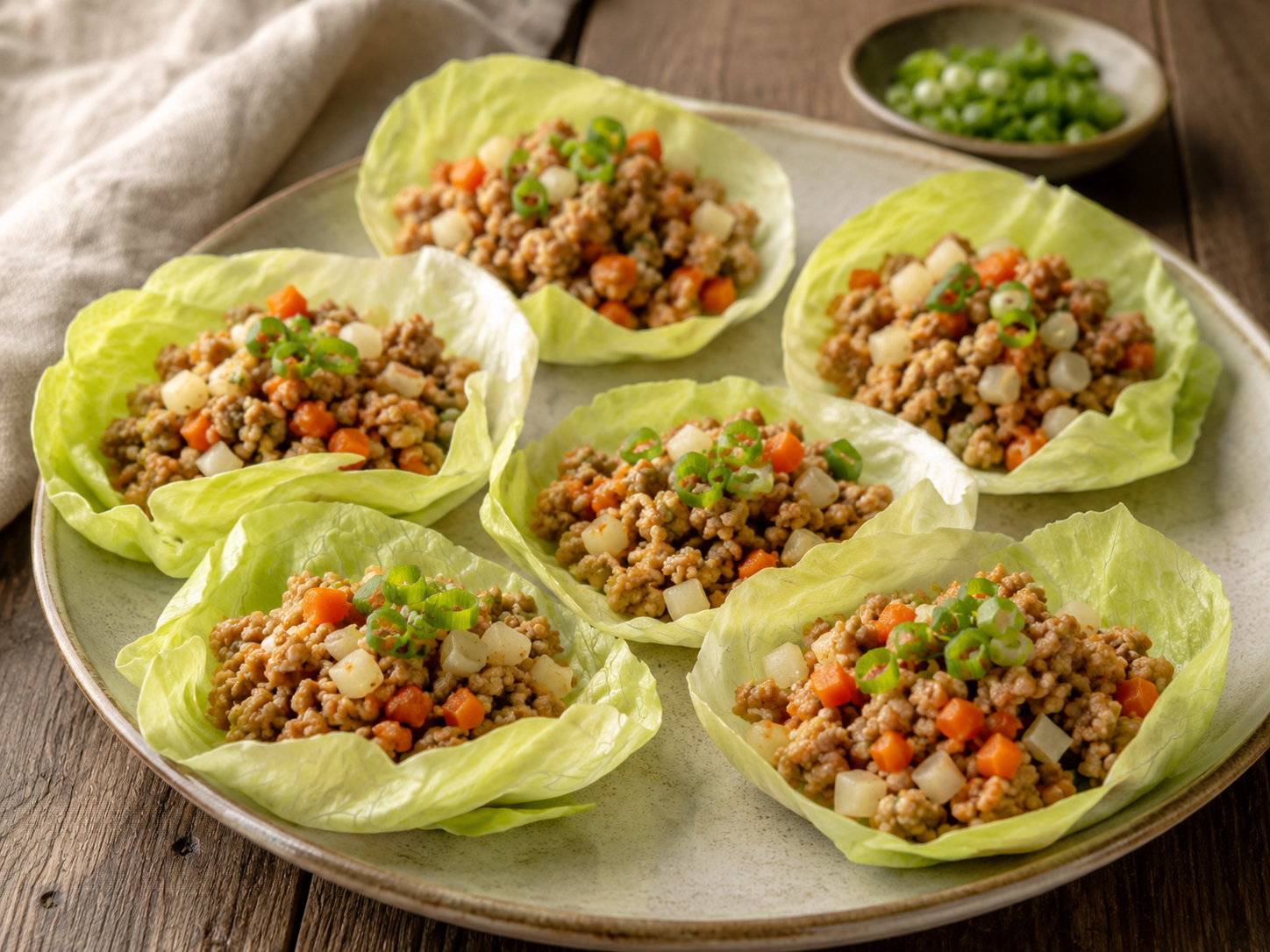
Lettuce Wraps with Chicken and Vegetables
Ground chicken and diced vegetables served in crisp lettuce cups with a savory soy sauce.
Yield: 4 servings
Prep: 15 min
Cook: 15 min
Total Time: 30 min
Ingredients
Iceberg lettuce leaves
1 pound ground chicken
1 cup mixed vegetables (carrots, water chestnuts, etc.), diced
2 cloves garlic, minced
2 tablespoons soy sauce
1 tablespoon sesame oil
Green onions, chopped
Instructions
In a skillet, cook ground chicken until browned. Add garlic and vegetables.
Stir in soy sauce and sesame oil. Cook until vegetables are tender.
Spoon the mixture into lettuce leaves, garnish with green onions, and serve.
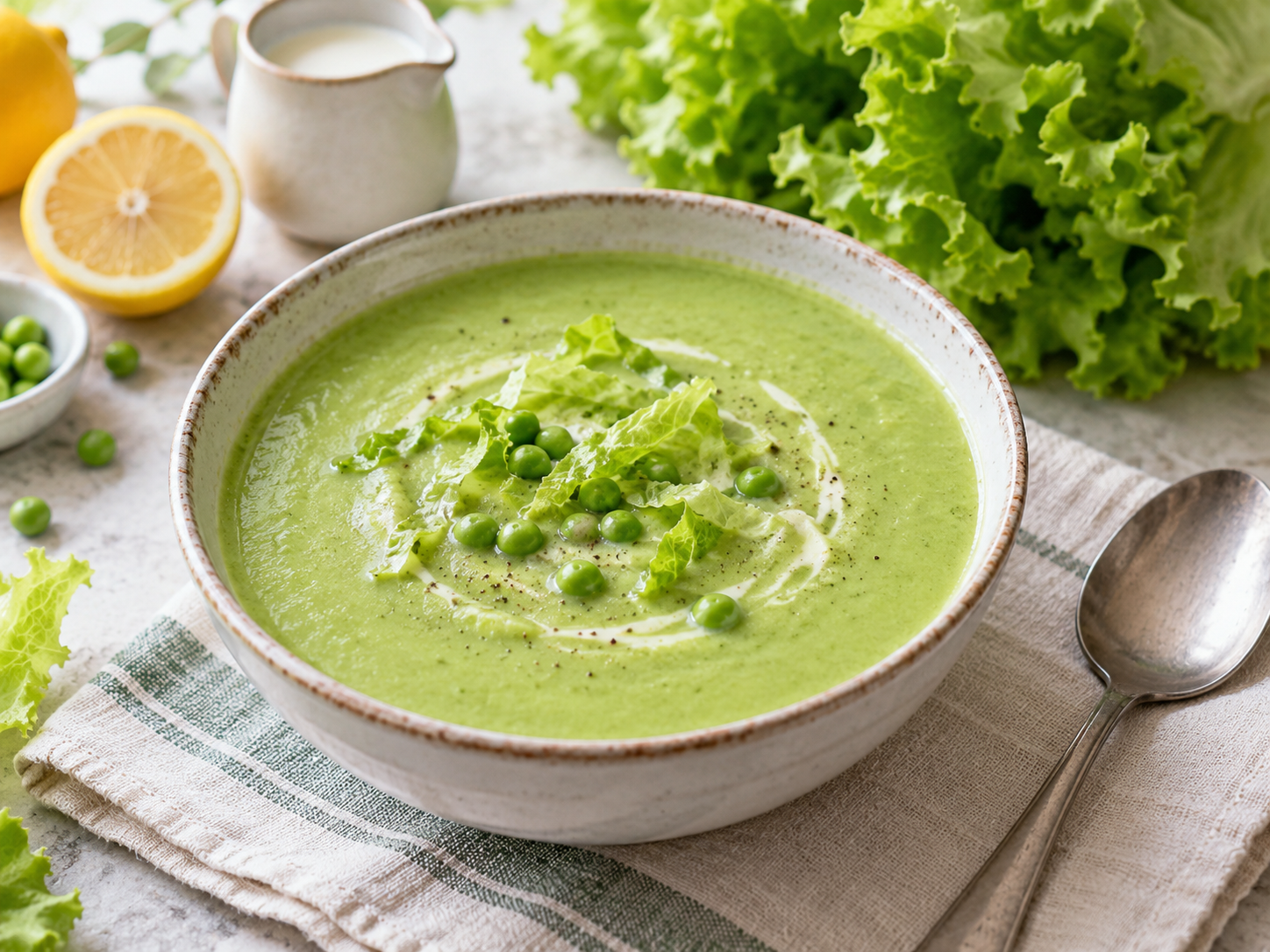
Lettuce and Garden Pea Soup
A generous harvest of tender lettuce blends into a light green soup, with garden peas providing gentle sweetness.
Yield: 6 servings
Prep: 15 min
Simmer: 26 min
Total Time: 41 min
Ingredients
2 tablespoons unsalted butter
1 medium leek, white and light-green parts thinly sliced and rinsed
2 garlic cloves, minced
1 small Yukon Gold potato, peeled and diced
4 cups low-sodium vegetable or chicken broth
6 packed cups chopped tender garden lettuce
1 cup fresh or frozen green peas
3/4 teaspoon kosher salt
1/4 teaspoon black pepper
1/2 cup heavy cream
1 tablespoon fresh lemon juice
Instructions
Melt the butter in a large pot over medium heat. Add the leek and cook for 5 to 6 minutes, until soft but not browned. Stir in the garlic for 30 seconds.
Add the potato, broth, salt and pepper. Bring to a boil, reduce the heat and simmer for 12 to 15 minutes, until the potato is tender.
Add the lettuce and peas. Simmer for 4 to 5 minutes, just until the lettuce is wilted and the peas are tender.
Blend until smooth using an immersion blender, or carefully blend in batches.
Return the soup to low heat and stir in the cream and lemon juice. Warm gently, taste and adjust the seasoning before serving.
Garden note: Tender leaf lettuce gives the mildest flavor. Remove tough or bitter cores from mature heads before measuring.