Here’s how to water wisely and grow wildly during Georgia’s dry summer spells.
💧1. Start with the Soil: Build a Moisture-Holding Foundation
Healthy soil is your first line of defense against drought. Think of it as your garden’s natural sponge.
- Add Organic Matter: Compost, leaf mulch, and well-aged manure improve your soil’s ability to hold water while feeding beneficial microbes.
- Mulch Like a Pro: Apply 2–3 inches of organic mulch (pine straw, bark, or shredded leaves) around plants. This shields roots from the heat and reduces evaporation by up to 70%.
Pro tip: Don’t mulch right up to the base of stems — leave a little breathing room.
🌾2. Choose Drought-Tough, Georgia-Friendly Plants
Native plants and drought-tolerant varieties thrive with minimal watering once established.
- Native wildflowers, such as black-eyed Susan, purple coneflower, and bee balm, love the heat and attract pollinators.
- Deep-rooted vegetables like okra, sweet potatoes, and black-eyed peas are Southern garden champions in dry spells.
Look for labels like “xeriscape-friendly” or “drought resistant” at local nurseries.
🌙 3. Irrigate Intelligently: Less Often, More Deeply
Skip the daily sprinkle. Instead, give your plants a deep soak a few times a week — early in the morning or just after sunset.
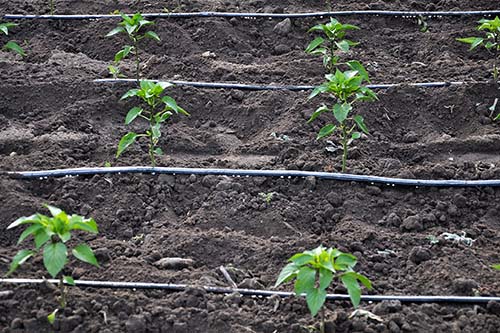
- Drip irrigation or soaker hoses are the gold standard for organic gardens. They deliver water right to the roots, reduce runoff, and keep foliage dry (less disease!).
- Avoid overhead watering when possible. It’s inefficient and can scorch leaves under the sun.
Want to save even more? Catch rainwater in barrels during spring and use it to irrigate through summer.
📏 4. Group Plants by Water Needs
Create “watering zones” in your garden.
- Place thirstier plants together (like lettuces and cucumbers) and keep low-water plants (herbs, peppers, natives) in separate beds.
- This way, you’re not overwatering hardy plants just to keep your thirsty ones alive.
It’s a smarter way to garden and saves gallons of water every week.
🌻 5. Let Plants Signal You
Instead of guessing when to water, watch your plants. Slight wilting in the afternoon heat can be normal. If they bounce back by morning, they’re fine.
Use this simple trick:
- Stick your finger in the soil up to the second knuckle.
- If it’s dry, time to water. If it’s moist, hold off.
🌦️ Bonus Tip: Plan for the Next June Now
Install compost systems, expand your mulch coverage, and consider swapping out water-hungry turf for native groundcovers or edible landscapes.
Your future self — and your water bill — will thank you.
Final Thoughts
Droughts in Georgia are tough, but your garden can be tougher. With thoughtful soil care, smart plant choices, and eco-friendly irrigation, you’ll spend less time dragging hoses and more time enjoying your wild, thriving landscape.
Water wisely. Grow wildly. And let nature do the heavy lifting.