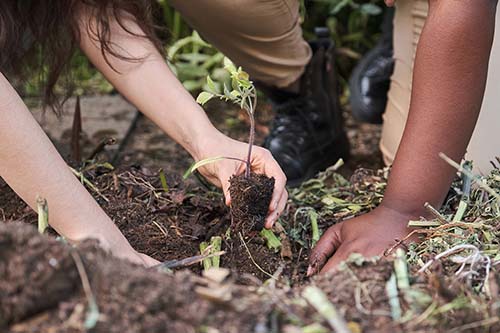
July in Georgia is hot, humid, and often overwhelming—for both plants and gardeners. But instead of letting your vegetable beds lie fallow or watching spring crops bolt and fade, there’s a better way: succession planting.
Succession planting is the key to maximizing your harvest, extending the growing season, and ensuring your garden stays productive through the intense summer and into the early fall. If done right, you can go from one crop to the next without missing a beat—and still enjoy crisp cucumbers, juicy melons, and tender green beans long after others have packed it in.
🌻 What Is Succession Planting?
Succession planting simply means planting a new crop immediately after harvesting another—or staggering plantings of the same crop so you get a continuous yield over time instead of one big harvest.
There are four main types of succession planting:
- Same Crop, Staggered Timing – Like planting green beans every 2–3 weeks.
- Different Crop, Same Space – Pull up spent lettuce and replace it with okra or bush beans.
- Same Crop, Different Maturity Dates – Use early and late varieties of crops like sweet corn.
- Interplanting – Plant quick-maturing crops like radishes between slower growers like peppers.
In Georgia’s long growing season, succession planting gives you an edge—especially in July.
🧠 Why It Works in Georgia
Georgia summers may be intense, but they’re also long and fruitful. Many vegetables can be planted in July and still mature before the first frost (which typically doesn't arrive until late October or even November in much of the state).
The key is choosing fast-growing, heat-tolerant crops that can handle the conditions and give you a second (or third!) round of production.
🌽 Best Vegetables to Plant in July for Succession
Here are some of the top choices for July succession planting in Georgia:
✅ Bush Beans
- Matures in 45–60 days.
- Plant a fresh row every 2–3 weeks through early August.
- Tender and quick, beans are perfect for fast summer harvests.
✅ Cucumbers
- 50–65 days to maturity.
- Choose disease-resistant varieties and water consistently.
- Ideal for trellising to save space and improve airflow.
✅ Summer Squash (Zucchini & Yellow Squash)
- Fast-growing and prolific.
- Great replacement for spring squash that has succumbed to borers or mildew.
✅ Okra
- Heat-lover that thrives in Georgia.
- Pick pods often to encourage continuous production.
✅ Southern Peas (Field Peas, Cowpeas, Black-eyed Peas)
- Excellent for hot, dry spells.
- Great nitrogen fixers—good for your soil and your table.
✅ Sweet Potatoes
- Plant slips in well-drained soil.
- These vining plants love heat and reward you in the fall.
✅ Malabar Spinach or New Zealand Spinach
- Heat-tolerant greens for summer salads and sautéing.
- Not true spinach, but a great substitute in the heat of July.
🛠️ Tips for Succession Success
🌤 Time it Right
- Replant as soon as a space opens up. Don’t let your soil go bare—fill it with a new crop to keep the momentum going.
🥤 Replenish Soil Nutrients
- After harvesting, amend the soil with compost or organic fertilizer. Nutrient-hungry crops need a strong start.
🌿 Mulch & Shade
- Georgia sun is relentless. Use mulch to conserve moisture and consider row covers or light shade cloth to protect tender young plants.
🐛 Rotate and Defend
- Don’t plant the same crop in the same spot. Rotate families to avoid soil-borne pests and diseases.
- Stay alert for squash bugs, aphids, and spider mites—July is peak time for these garden pests.
🧪 Bonus Tip: Prep for Fall While You Succession Plant
While your garden is rolling through July succession crops, it’s a great time to start seeds indoors for your fall garden—think broccoli, cabbage, collards, and Brussels sprouts. By the time your summer crops are finishing up in late August, your fall seedlings will be ready to take their place.
🌟 Final Thought: Don’t Let the Heat Win
Succession planting is how smart Georgia gardeners stay productive through the heat, avoid the summer slump, and keep their tables filled with fresh produce deep into the season. With the right planning and a bit of sweat equity, July becomes a powerful pivot point in the garden—not the end.
So grab your gloves, turn the soil, and keep those veggies coming!