Pears can be excellent Georgia fruit trees, but success depends heavily on cultivar selection and fire-blight resistance. Georgia's warmth and humidity make a generic “plant any pear tree” approach much less reliable than choosing a tree proven for the Southeast.
Georgia Pear Quick Facts
Site: full sun and good air movement.
Selection: choose cultivars adapted to local chilling and disease pressure.
Pollination: many pears crop better with a compatible second cultivar.
Major concern: fire blight.
Harvest: European-type pears are often picked mature and ripened off the tree.
Choosing Pears for Georgia
Georgia spans multiple winter-chill environments, from colder North Georgia to much milder southern counties. A cultivar that performs in one part of the state may be poorly matched to another. Disease resistance is particularly valuable because warm, humid spring weather can favor fire blight.
Do You Need Two Pear Trees?
Pollination requirements vary by cultivar. Many pear trees produce more reliably when a compatible pear blooms nearby at the same time. Do not assume two trees with different names automatically make a good pair; confirm bloom compatibility when purchasing.
Planting a Pear Tree
Choose full sun, drainage and enough permanent space for the mature tree. Avoid low frost pockets where spring flowers are more likely to be damaged. Keep the root flare near the proper soil level and avoid piling mulch against the trunk.
Georgia Companion Planting Around Pear Trees
Maintain a mulched, relatively weed-free zone around the young trunk so grass does not compete strongly for water. Pollinator-friendly flowers can be grown beyond that zone to increase garden diversity. Avoid dense vegetation directly against the trunk, which can hide damage and hold moisture.
Fire Blight in Georgia Pears
Fire blight can cause blackened shoots that look scorched. Cultivar resistance, sanitation and avoiding excessive succulent growth are important parts of management. Because pruning infected wood can spread bacteria on tools, use current sanitation guidance when disease is present.
When Are Pears Ready to Harvest?
Pear harvest depends on type. Many European pears are harvested when mature but still firm, then ripened indoors; Asian pears are generally allowed to ripen more fully on the tree. Learn the expected harvest behavior of the cultivar you plant rather than relying only on softness.
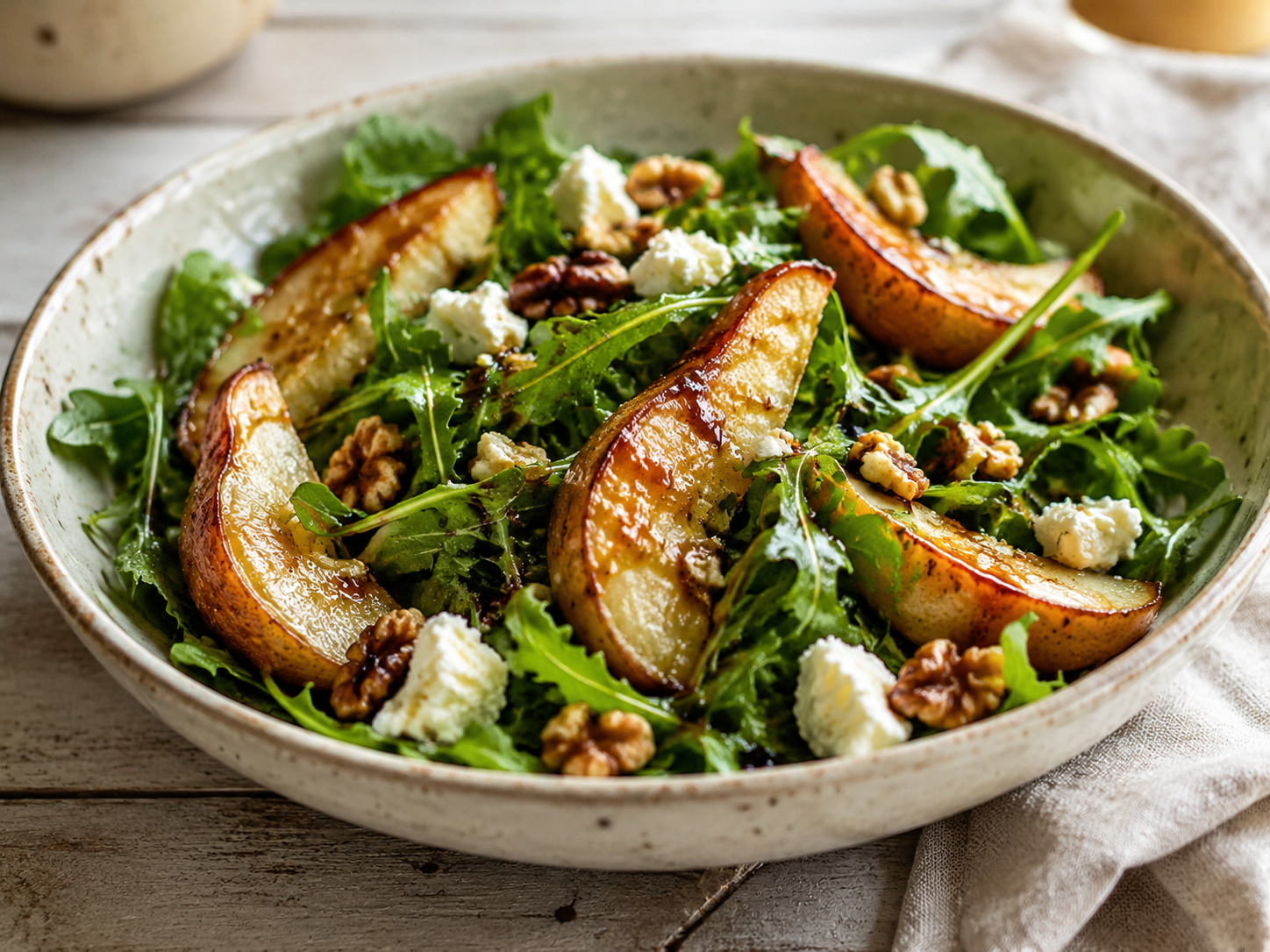
Roasted pears, peppery arugula, goat cheese and walnuts dressed with balsamic vinegar.
Yield: 4 servings
Prep: 15 min
Roast: 20 min
Total Time: 35 min
Ingredients
2 ripe pears, sliced
4 cups arugula, washed and dried
1/2 cup crumbled goat cheese
1/4 cup walnuts, toasted
2 tablespoons balsamic vinegar
3 tablespoons extra virgin olive oil
Salt and pepper to taste
Honey for drizzling
Instructions
Preheat the oven to 375°F (190°C).
Place pear slices on a baking sheet, drizzle with olive oil, and sprinkle with salt and pepper.
Roast in the preheated oven for 15-20 minutes or until the pears are tender and slightly caramelized.
In a large bowl, toss arugula with balsamic vinegar and extra virgin olive oil.
Arrange the dressed arugula on serving plates, top with roasted pear slices, crumbled goat cheese, and toasted walnuts.
Drizzle honey over the top for added sweetness.
Serve immediately as a refreshing salad.
Spiced Pear and Ginger Smoothie
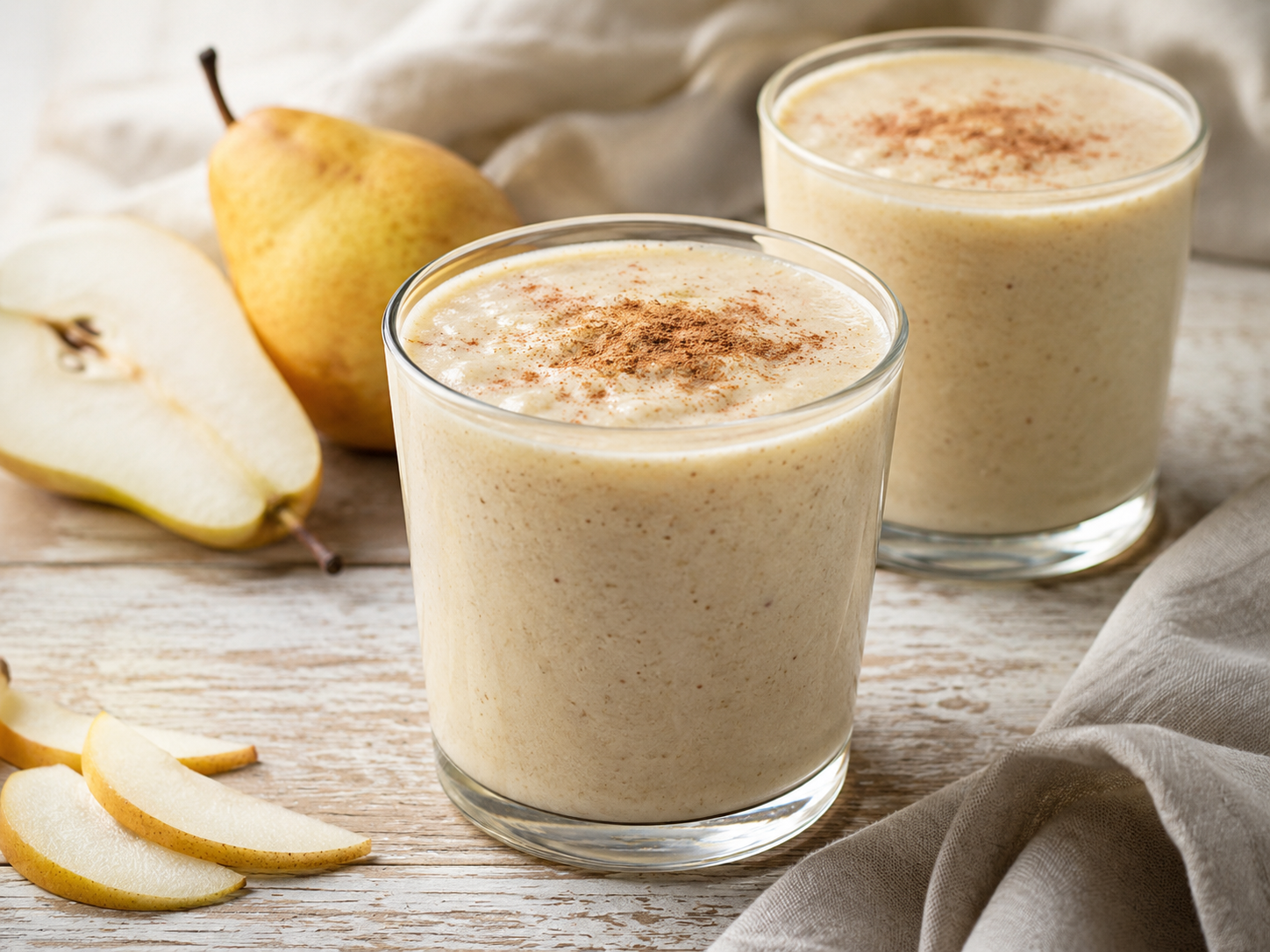
Pears, banana and yogurt blended with ginger and cinnamon into a creamy smoothie.
Yield: 2 servings
Prep: 15 min
Blend: 5 min
Total Time: 20 min
Ingredients
2 ripe pears, peeled, cored, and chopped
1 banana, peeled
1 cup plain yogurt
1/2 teaspoon ground ginger
1/4 teaspoon ground cinnamon
1 tablespoon honey or maple syrup
1 cup ice cubes
Instructions
In a blender, combine chopped pears, banana, plain yogurt, ground ginger, ground cinnamon, and honey or maple syrup.
Add ice cubes to the blender.
Blend until the mixture is smooth and creamy.
Taste and adjust the sweetness or spice levels if necessary.
Pour the spiced pear and ginger smoothie into glasses.
Garnish with a sprinkle of cinnamon on top if desired.
Enjoy this refreshing and nutritious smoothie.
Pears, like apples, require a period of winter chill to break dormancy and set fruit buds. Georgia, with its diverse climate, can support the cultivation of pears. Here's a detailed guide on the best season to grow pears in Georgia, broken down by months:
Winter Planning (December - February)
December - February: Pears also have chilling hour requirements, and during this period, the cumulative chill hours (hours with temperatures between 32°F and 45°F or 0°C and 7°C) are crucial for proper bud development. Ensure that the chosen pear varieties are suitable for Georgia's chill hour accumulation.
Late Winter to Early Spring (February - March)
February - March: As winter transitions to spring, monitor chilling hours and temperature trends. Once the chilling requirements are met, and the risk of frost has passed, consider planting pear trees or tending to existing orchards.
Spring Growth and Bloom (April - May)
April - May: Pear trees start to break dormancy during this period, and buds begin to swell. As temperatures rise, the trees enter the flowering stage. Bees and other pollinators play a vital role in pollinating pear blossoms, leading to fruit set.
Late Spring to Early Summer (June - July)
June - July: Young pear fruits develop during this period. Adequate water supply is crucial for proper fruit development. Thinning may be necessary to ensure that the remaining pears have enough space to grow and receive adequate sunlight.
Summer Growth and Ripening (August - September)
August - September: Pears continue to grow and ripen during the summer months. Depending on the pear variety, harvest times can vary. Some varieties mature earlier in the season, while others may be harvested in late summer or early fall.
Late Summer to Early Fall Harvest (September - October)
September - October: Harvest pears as they reach maturity. Harvest times can vary, and it's essential to pick pears when they are at their peak flavor and texture. Cooler temperatures in the fall contribute to the development of sugars in the fruit.
Fall Cleanup (November)
November: As the growing season concludes, orchard maintenance is essential. Remove fallen leaves and debris from the orchard. Prune pear trees if needed, and consider applying a winter mulch to protect the roots during colder months.
When choosing pear varieties for Georgia, select those that are well-suited to the chill hour accumulation in your specific location. Factors like soil quality, sunlight, and water availability should also be considered when planning and caring for your pear orchard. Always consult with local agricultural extension services or nurseries for advice on pear varieties suitable for your specific area in Georgia.
Pear Cardamom Scones
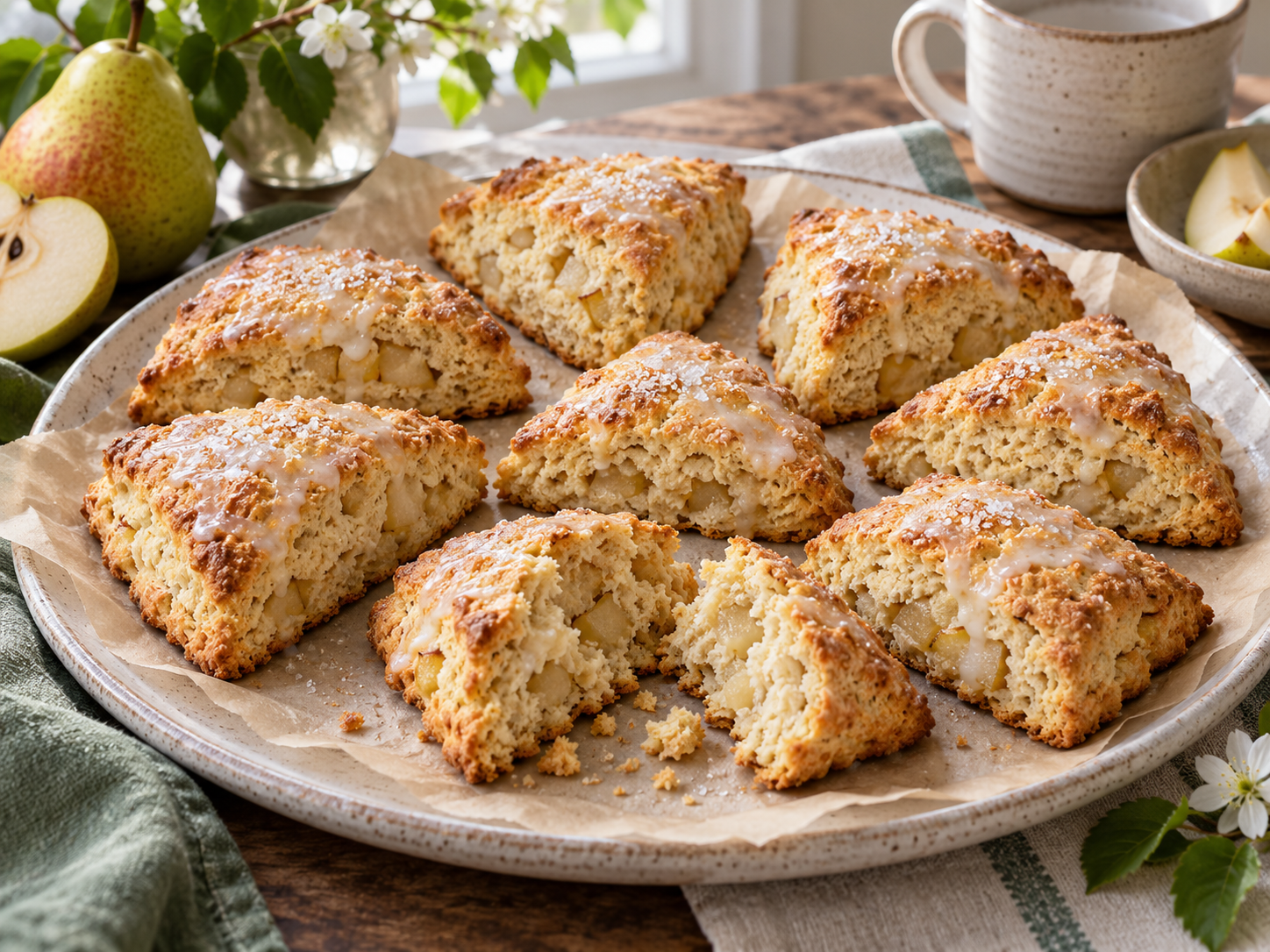
Firm garden pears and fragrant cardamom are folded into tender, flaky scones with crisp golden edges.
Yield: 8 scones
Prep: 20 min
Bake: 22 min
Total Time: 42 min
Ingredients
2 cups all-purpose flour
1/3 cup granulated sugar
1 tablespoon baking powder
3/4 teaspoon ground cardamom
1/2 teaspoon kosher salt
6 tablespoons cold unsalted butter, cut into small cubes
1 cup peeled, 1/4-inch-diced firm pear
2/3 cup cold heavy cream, plus more for brushing
1 teaspoon vanilla extract
1 tablespoon coarse sugar, for topping
Instructions
Heat the oven to 400°F and line a baking sheet with parchment paper.
Whisk together the flour, granulated sugar, baking powder, cardamom and salt. Cut in the cold butter until pea-size pieces remain.
Gently toss in the diced pear. Stir the cream and vanilla together, then add them to the dry ingredients and mix just until a shaggy dough forms.
Turn the dough onto a lightly floured surface, pat it into a 7-inch round and cut it into 8 wedges. Place the wedges on the baking sheet, brush lightly with cream and sprinkle with coarse sugar.
Bake for 18 to 22 minutes, until the tops and edges are golden. Cool for at least 10 minutes before serving.
Garden note: Pat diced pear dry before adding it, and handle the dough as little as possible for a flaky scone rather than a cakey muffin texture.