Direct sow
Cilantro develops a taproot and usually prefers direct sowing over repeated transplanting.
Georgia herb growing guide
The secret to cilantro in Georgia is timing: treat it as a cool-season herb, not a summer herb. Once Georgia heat arrives, cilantro naturally bolts and shifts from leaf production toward flowers and coriander seed.
Work with cool Georgia weather
Cool spring and fall conditions.
Direct sow and repeat small sowings for a longer harvest.
Warm weather triggers bolting.
Cut tender leaves, or let selected plants mature for coriander seed.
Statewide seasonal guidance
Use Georgia's cooler spring and fall windows instead of expecting cilantro to remain leafy through summer.
South Georgia generally enters spring warmth earlier; North Georgia stays cool later and reaches fall cold sooner. Adjust the statewide strategy for local elevation, frost timing and current weather.
The source supports these climate qualifications, but not three separate North, Middle and South Georgia planting windows.
Extend the useful harvest
Cilantro develops a taproot and usually prefers direct sowing over repeated transplanting.
Sow small amounts every couple of weeks during suitable weather rather than expecting one planting to supply leaves for months.
Work with the plant's life cycle
Hot weather speeds flowering. Harvesting regularly can extend leaf production, but no pruning technique can permanently stop bolting once temperature and day length push the plant toward flowering.
Share cool-season beds
Cilantro can share cool-season beds with lettuce, brassicas, onions and other crops that enjoy similar temperatures. When allowed to flower, its small blooms can attract beneficial insects and pollinators.
Give neighboring plants enough room and avoid using companion planting as a substitute for crop rotation or pest scouting. This guide does not claim cilantro reliably repels garden pests.
One planting, two kitchen uses
Cut outer leaves or small bunches while growth is tender.
Let selected plants flower and form seed heads, then collect the mature seed after it dries.
Harvest before the heat wins
Cut outer leaves or small bunches while growth is tender. Once plants shift toward flowering, leave selected plants to produce coriander seed.
Grow → Harvest → Cook: Put fresh cilantro to work in the protected recipes below, then browse the complete Georgia Garden Recipe Finder.
From Georgia cilantro to the kitchen
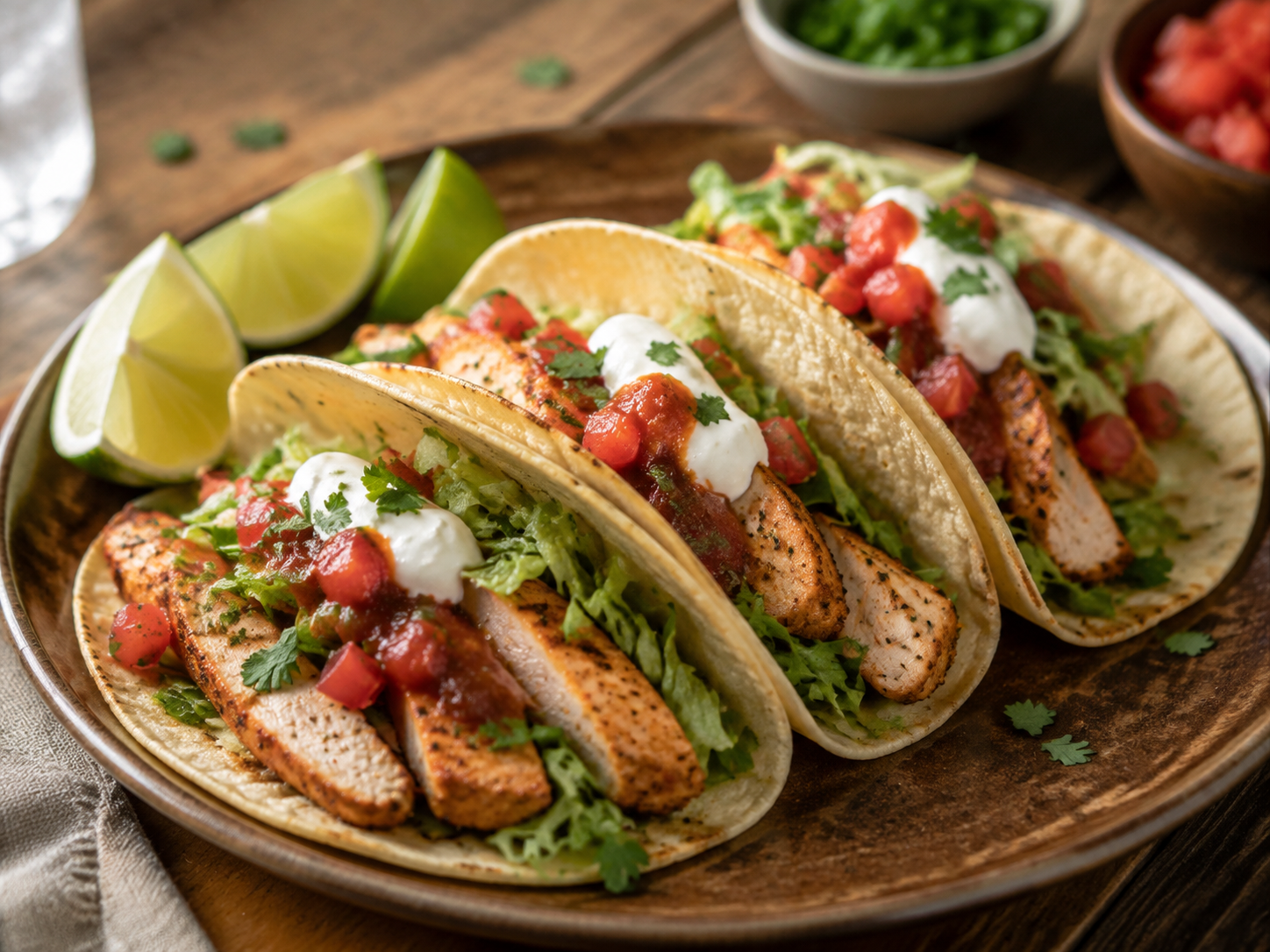
Seasoned chicken tucked into tortillas with garlic, cumin, paprika, cilantro and fresh lime.
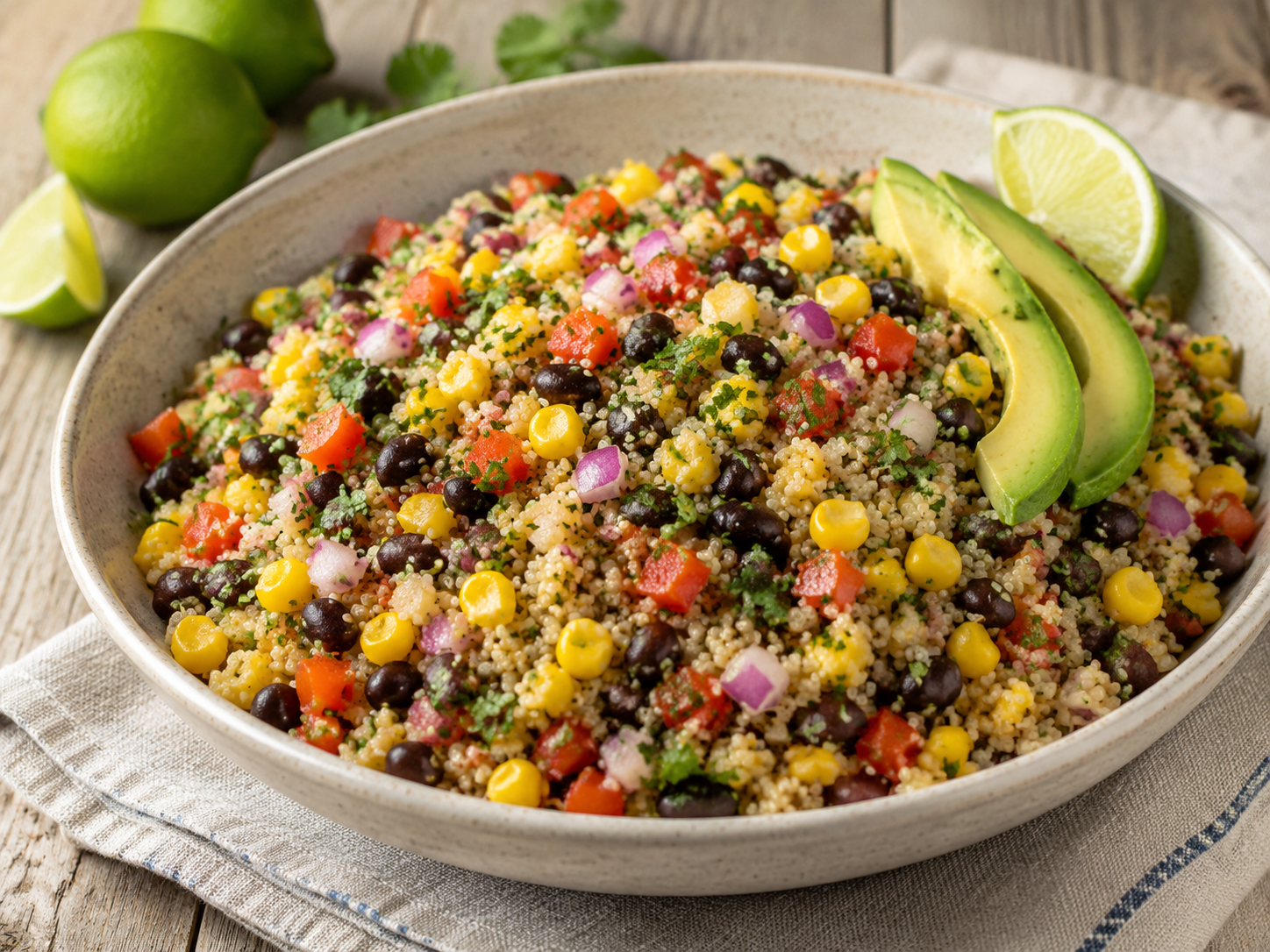
Quinoa, black beans, corn and bell pepper tossed with a fresh cilantro-lime dressing.
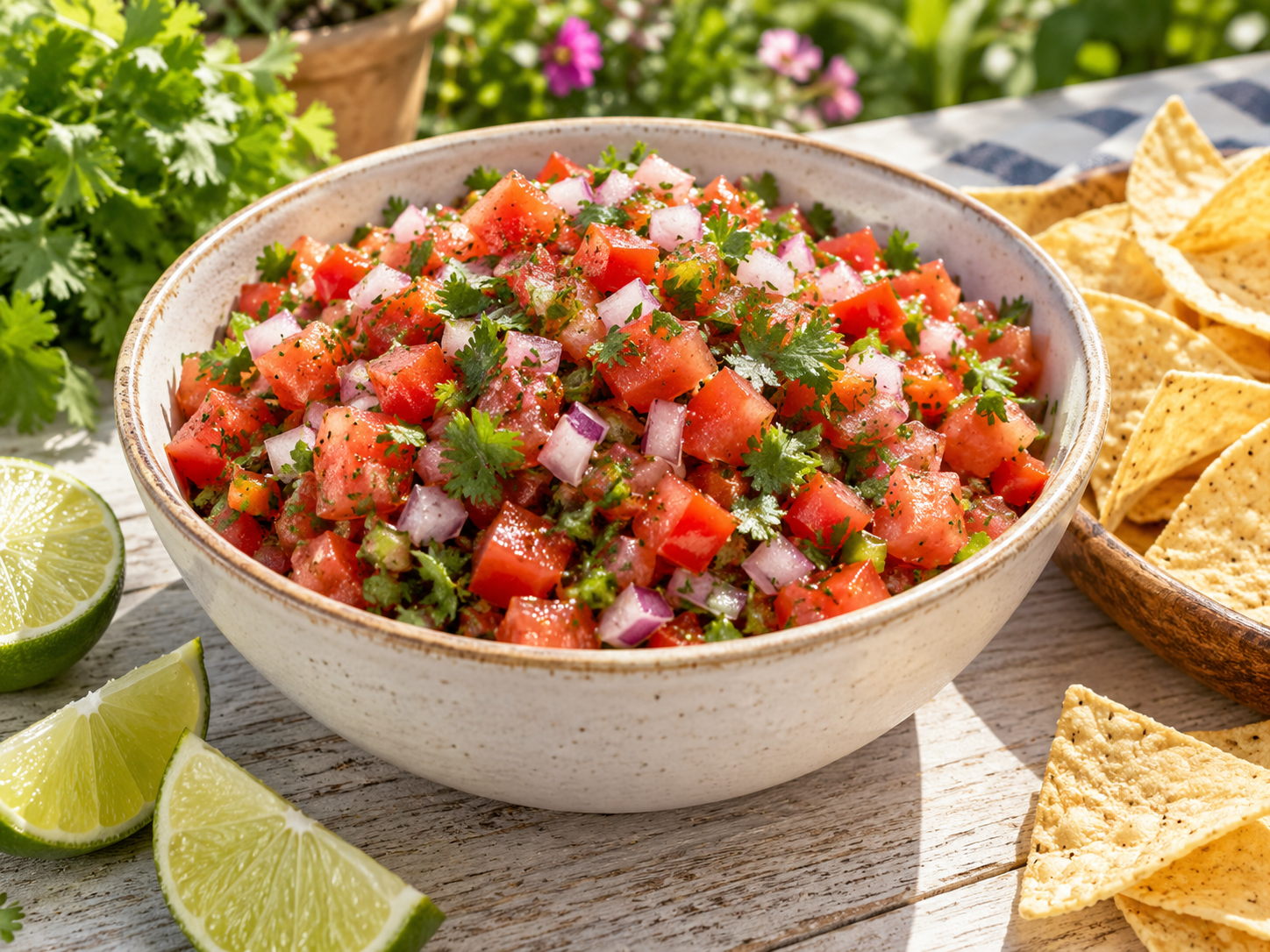
A full cup of chopped cilantro brings together ripe tomatoes, jalapeño, onion and lime in this fresh, tomato-based garden salsa.
Recipe note: This is a fresh refrigerator salsa, not a shelf-stable preserve. Serve the same day for the best texture or refrigerate for up to 2 days.
Storage note: Pico de gallo tastes brightest the day it is mixed. Cover and refrigerate promptly, and use within two days.
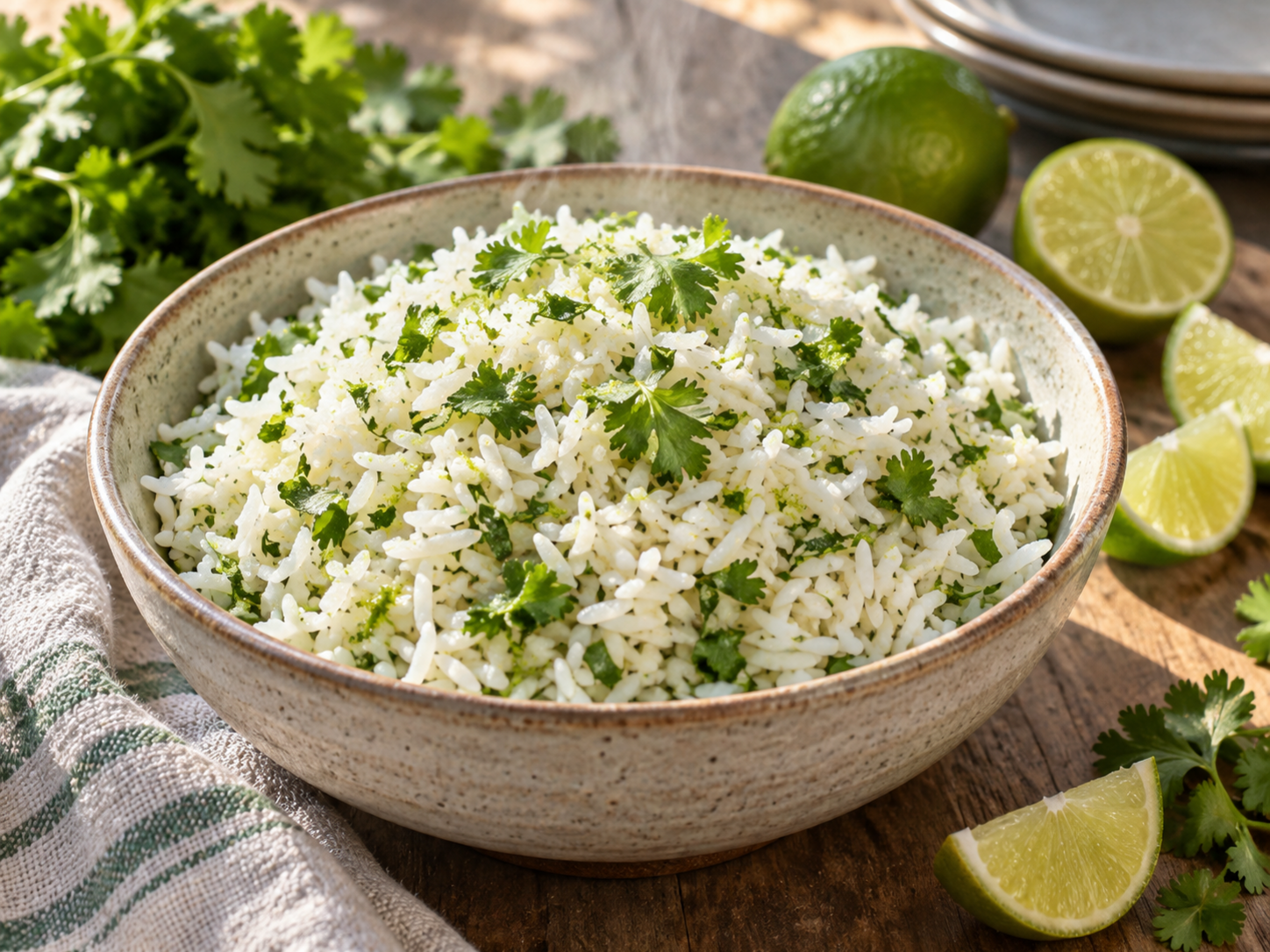
Fresh cilantro and lime are folded into warm, fluffy rice just before serving so the herb stays bright and aromatic.
Recipe note: Add the cilantro only after cooking to preserve its fresh flavor and green color. Refrigerate leftovers promptly and use within 3 days.
Continue your Georgia herb garden
Continue with Georgia herbs, our Georgia growing guides, seasonal produce guide, pest and disease help and garden-to-kitchen recipes.
Georgia Planting Calendar · Companion Planting · Harvesting Guides