Growing Celery in Georgia
Celery is a demanding cool-season crop in Georgia: it needs a long period of mild weather, fertile soil and steady moisture without waterlogging. Success comes from using transplants and timing growth to avoid both hard freezes and prolonged summer heat.
Georgia Celery Growing Guide at a Glance
| Best method | Start seed indoors, then transplant sturdy seedlings into mild weather. |
|---|---|
| Sun | Full sun in cool weather; light afternoon protection can help where heat arrives early. |
| Soil | Fertile, moisture-retentive but well-drained soil near pH 6.0–6.5. |
| Spacing | 6–10 inches between plants, depending on cultivar and desired stalk size. |
| Water | Consistent root-zone moisture is essential; drought stress makes stalks stringy and bitter. |
| Harvest | Cut individual outer stalks or harvest the whole plant when stalks reach usable size. |
When to Plant Celery in Georgia
Grow celery through Georgia’s coolest practical window, not through the hottest part of summer. Celery takes months to mature, so the correct schedule depends on both the cultivar and your region. Use local frost dates and the Georgia Planting Calendar to refine timing.
North Georgia
An early-spring crop is generally the safer starting point. Begin seed indoors well ahead of transplanting, protect young plants from hard freezes and aim to harvest before sustained summer heat.
Middle Georgia
Use very early spring or a carefully timed fall crop. Spring plants need an early start; fall plants must establish after peak heat yet mature before damaging cold.
South Georgia
Fall into winter often provides the longest mild period. Transplant after extreme summer heat breaks and keep frost cloth ready for unusual cold.
Celery seed germinates slowly and needs light. Start it on the surface of moist seed-starting mix about 10–12 weeks before transplanting, keep it evenly moist, and pot up seedlings if they become crowded. Harden plants gradually before setting them outside.
Soil, Fertility and Planting
Celery is a heavy feeder with a shallow root system. A soil test is the safest basis for lime and fertilizer. Work finished compost into the bed to improve moisture retention and structure. In dense Georgia clay, use a raised bed or raised row to prevent saturated roots while preserving an even moisture supply.
Set transplants at the same depth they grew in their cells, spacing them 6–10 inches apart. Do not bury the crown. Apply mulch around established plants to moderate soil temperature and reduce evaporation. Side-dress according to the soil test and crop response rather than applying large amounts at once.
Useful celery varieties
Tall Utah is a widely available green celery, Tango is valued for relatively uniform stalks, and Golden Self-Blanching produces lighter stalks. Variety labels do not override climate limits: compare days to maturity and choose the quickest dependable cultivar for your planting window.
Watering and Managing Georgia Weather
Celery quality depends on uninterrupted growth. Check the soil frequently and water before the root zone dries out, preferably with drip irrigation or a soaker hose. Avoid standing water and avoid keeping leaves wet late in the day, because Georgia humidity can favor foliar disease.
Heat can make stalks tough or hollow and may stop useful growth. Light afternoon shade may help during a warm spell, but deep shade produces weak plants. Cold-stressed young celery can bolt later, so protect transplants from abrupt temperature swings rather than planting too early.
Growing celery in containers
A wide container at least 12 inches deep can hold one or several plants if it has excellent drainage. Use quality potting mix and leave room for watering. Container celery needs especially frequent moisture checks; a self-watering container can help, provided the crown is not kept soggy.
Common Celery Pests, Diseases and Problems
- Aphids: Inspect curled young leaves and stalk bases. Wash off light colonies and protect beneficial insects.
- Caterpillars and leafminers: Remove damaged leaves when practical and identify the pest before choosing a control.
- Leaf spots and blights: Start with clean seed or transplants, provide airflow, water at soil level and remove infected crop debris.
- Root and crown rot: Improve drainage and avoid burying or saturating the crown.
- Stringy, bitter or hollow stalks: Heat, drought, uneven growth or over-maturity are common contributors.
Rotate celery with unrelated crops and consult the GA Garden pest and disease guide for diagnosis. Apply any pesticide only when it is labeled for celery and the target pest.
Companion Planting with Celery
Celery can share a cool-season bed with lettuce, onions or other crops that have compatible moisture needs. The practical benefits are efficient bed use and soil cover—not guaranteed pest prevention. Leave enough room for air movement and avoid placing celery beside drought-tolerant herbs that need much drier soil. Use the companion planting guide to match crops by season, space and care.
Harvesting and Storing Celery
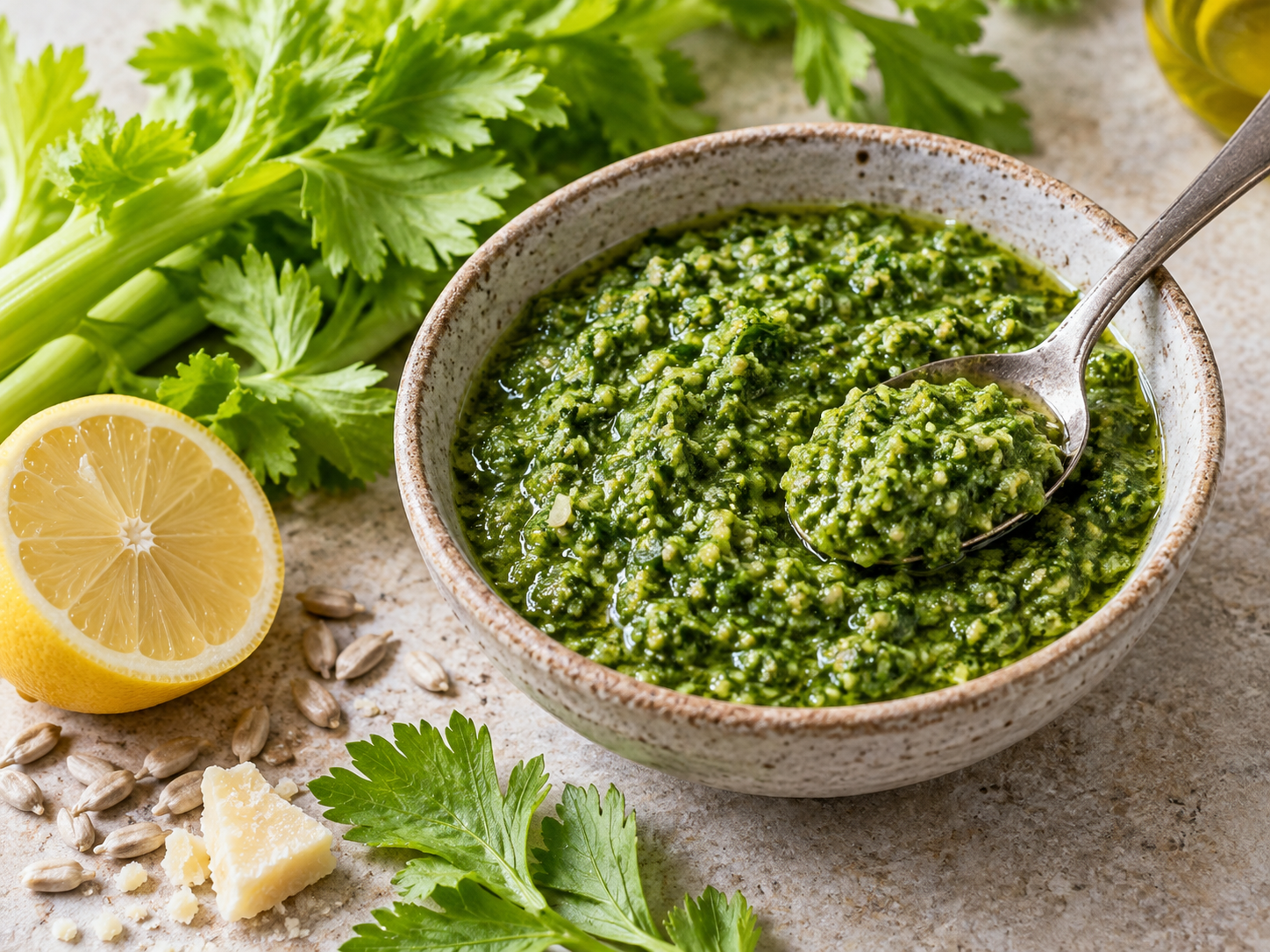
Harvest outer stalks as needed once they are large enough, or cut the whole plant at soil level before stalks become pithy. Rinse away soil, cool the harvest promptly and refrigerate it in a covered bag or container that retains humidity. Celery leaves are edible and useful in soups, stocks and pesto. For a longer harvest, take outer stalks cleanly without damaging the crown.
Traditional blanching excludes light from stalks, but self-blanching varieties may need little help. If you wrap or mound plants, keep soil out of the crown and check frequently for rot.
Celery Troubleshooting
- Why are my celery stalks thin?
- Crowding, low fertility, root restriction or inconsistent moisture can limit stalk size.
- Why did celery bolt?
- Young plants exposed to prolonged cold can flower when warm weather returns. Delay transplanting or protect plants during cold snaps.
- Can celery grow in Georgia clay?
- Yes, but only after improving structure and drainage. A compost-amended raised bed is usually easier to manage than compacted clay.